
Search
Showing results for "Childhood interstitial lung disease "
Applications are open for the next round of our Top Up Scholarships for students who are undertaking their research in type 1 diabetes-related fields.
Applications are open for the next round of our Seed Funding Grants for researchers dedicated to type 1 diabetes
Evidence is mounting that the bacteria in a mother’s digestive system, known as microbiome, can influence the health of babies.
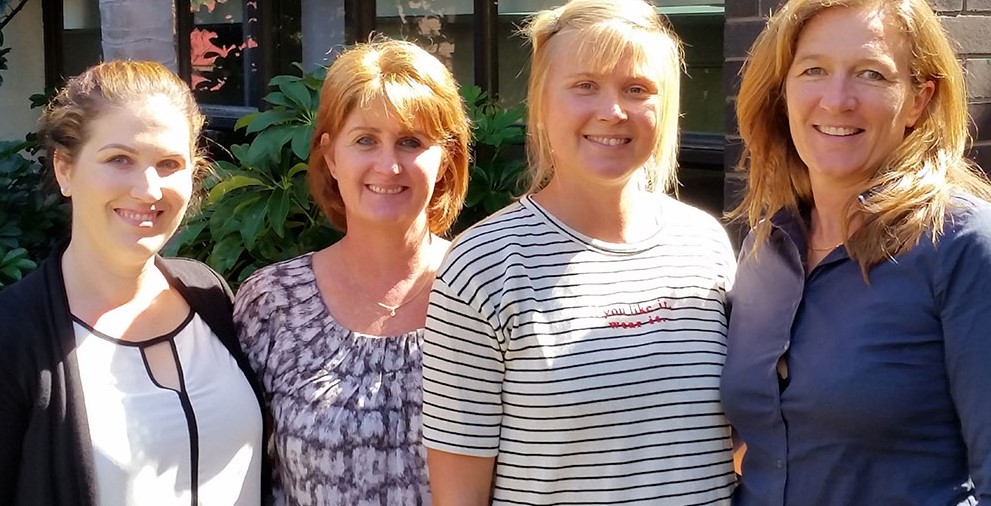
The ENDIA study — Australia’s largest study into the causes of Type 1 Diabetes— reached a significant milestone when it recruited its 700th patient in Perth.
Matt Cooper BCA Marketing, BSc Statistics and Applied Statistics, PhD Manager, Biostatistics 08 6319 1723 matt.cooper@thekids.org.au Manager,
Type 1 diabetes and diabetic ketoacidosis (DKA) have a significant impact on individuals and society across a wide spectrum. Our objective was to utilize machine learning techniques to predict DKA and HbA1c>7 %.
Brain development during the preschool period is complex and extensive and underlies ongoing behavioral and cognitive maturation. Increasing understanding of typical brain maturation during this time is critical to early identification of atypical development and could inform treatments and interventions.
Molecular profiling of the tumour immune microenvironment (TIME) has enabled the rational choice of immunotherapies in some adult cancers. In contrast, the TIME of paediatric cancers is relatively unexplored. We speculated that a more refined appreciation of the TIME in childhood cancers, rather than a reliance on commonly used biomarkers such as tumour mutation burden (TMB), neoantigen load and PD-L1 expression, is an essential prerequisite for improved immunotherapies in childhood solid cancers.
Tim Jones MBBS DCH FRACP MD Co-head, Diabetes and Obesity Research Co-head, Diabetes and Obesity Research Areas of research expertise: Diabetes
To compare meal-time glycaemia in adults with type 1 diabetes mellitus managed with multiple daily injections vs. insulin pump therapy, using self-monitoring blood glucose, following diabetes education.