
Search
Showing results for "early lung health"
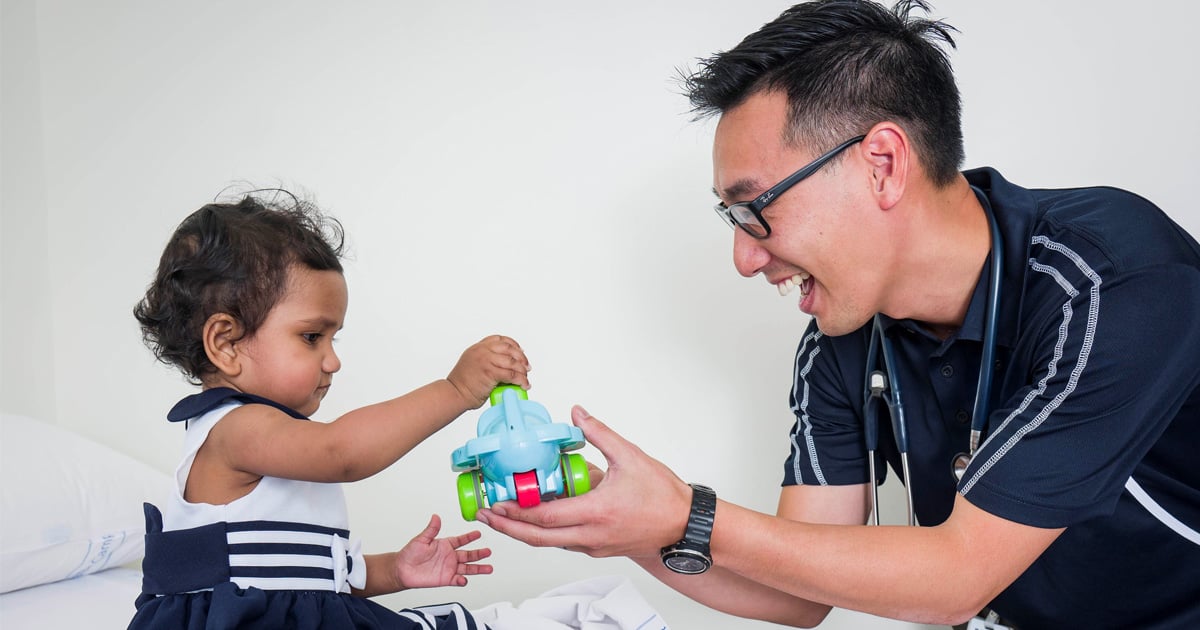
A third of Western Australian one-year-olds and up to two thirds of three-year-olds have low iron, a study by The Kids Research Institute Australia has found.
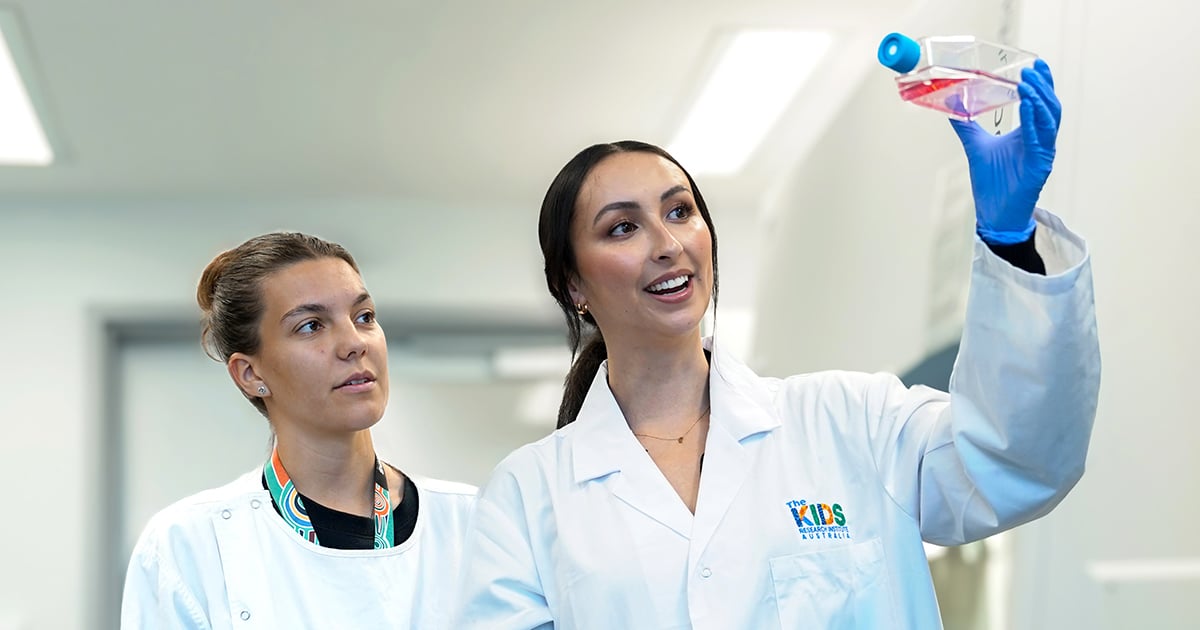
At The Kids Research Institute Australia, our researchers are working to shift that balance through evidence-based research that supports the health, safety and wellbeing of girls, young women and women at every stage of life.
To determine age-specific and age-standardised incidence trends of acute rheumatic fever (ARF) or rheumatic heart disease (RHD) among Indigenous Western Australians aged less than 35 years of age.
Given the ongoing mortality and morbidity from GAS infections, we must address more effectively the treatment and prevention of GAS impetigo and pharyngitis
We examined the association between otitis media and educational attainment in a retrospective population cohort of Western Australian children who participated in the Grade 3 National Assessment Program—Literacy and Numeracy in 2012.
Each day of school missed makes a difference, with the effect on learning accumulating over time. From an early age, if children are taught that they need to 'show up' for school and make a commitment, this positive mentality aids academic and career success and brings benefits in adulthood.
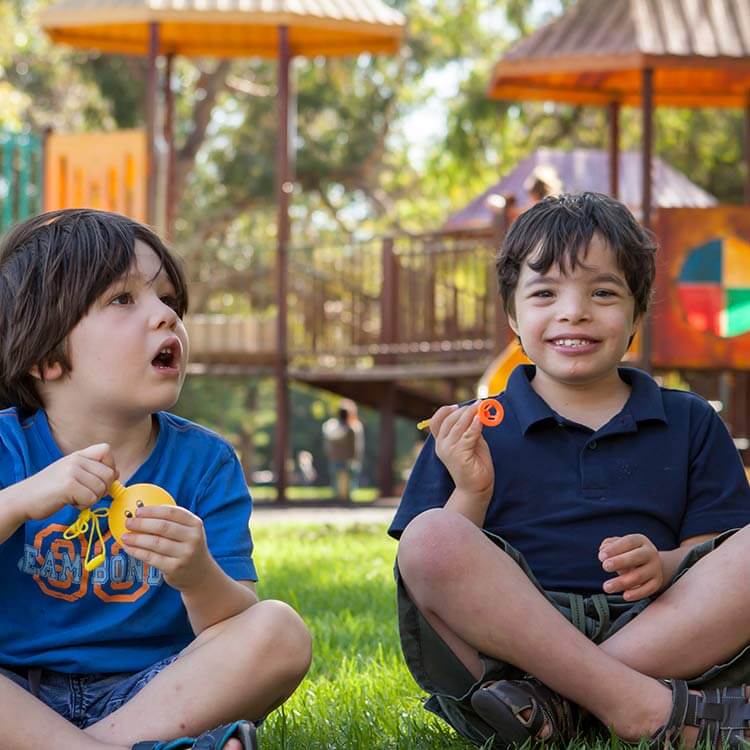
Improving the lives of children with a disability and their families sits at the core of our team.
Amy Andrew Helen Jenny Martyn Melissa Videos Finlay-Jones Whitehouse Watch and listen to Andrew Leonard Downs Symons Licari BPsych(Hons), MPsych(
Jonathan Asha Dylan Rosemary Janessa Jeffrey Carapetis AM Bowen Barth Wyber Pickering Cannon AM MBBS FRACP FAFPHM PhD FAHMS BA MBBS DCH FRACP PhD
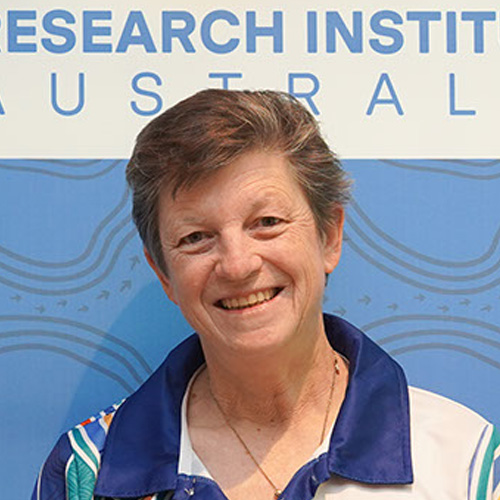
Head, Developmental Chronobiology