
Search
Showing results for "mental health aboriginal"

The fifth Big Elders meeting/gathering was held on the Wednesday, 28th of February 2024 at Burswood on Swan.
Staphylococcus aureus is a common cause of bacteremia, yet the epidemiology and predictors of poor outcome remain inadequately defined in childhood. ISAIAH (Invasive Staphylococcus aureus Infections and Hospitalizations in children) is a prospective, cross-sectional study of S. aureus bacteremia in children hospitalized in Australia and New Zealand over 24 months.
These data support that children are not just 'little adults' in the AMR era, and analyses by age group are important to detect differences in antibiotic susceptibility
ENVISAGE is a validated evidence-based program of facilitated group workshops for parents and carers of young children, aged 0-8 years, with a newly identified disability or who have concerns regarding their child’s development.

Today, and every day, we celebrate the inspiring female researchers, students and professional staff who work at The Kids Research Institute Australia, and the contribution they make to child health research in Australia.

Dr Hayley Passmore has been named an AMP Foundation Tomorrow Maker in recognition of her efforts to better support young people in detention who have neurodisability.
Children born to parents with intellectual disability (ID) have been shown as disproportionally represented in child protection services however with limited population-based research.

Our research focuses on what are the best ways for patients with type 1 diabetes to exercise safely.
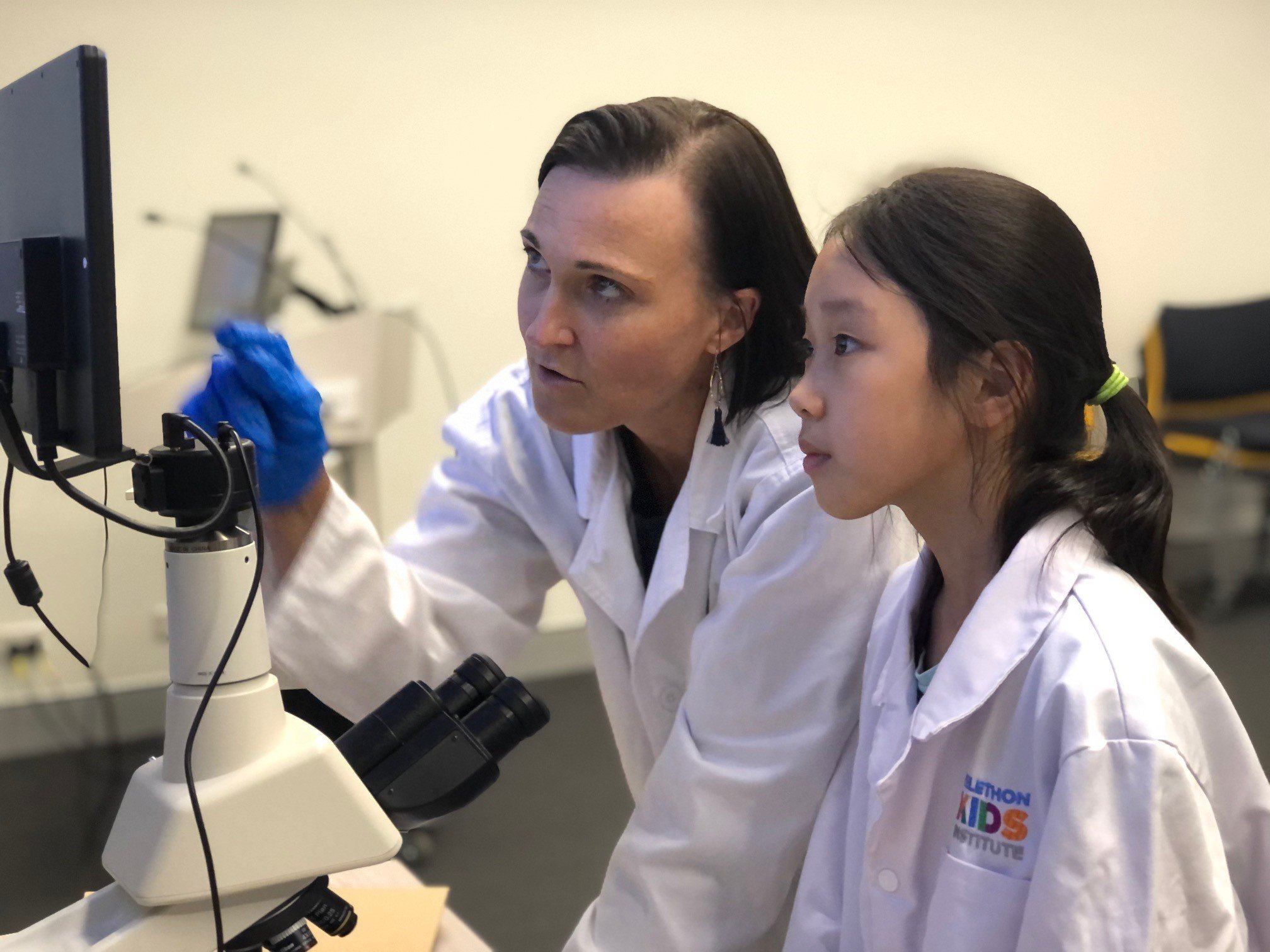
Our popular workshops for kids are back these school holidays and we have a jam-packed program full of fun and engaging science activities!
Recently, "Technical standards for respiratory oscillometry" was published, which reviewed the physiological basis of oscillometric measures and detailed the technical factors related to equipment and test performance, quality assurance and reporting of results. Here we present a review of the clinical significance and applications of oscillometry.