
Search
Showing results for "Childhood interstitial lung disease "
We find that DNA methylation in neonatal blood is associated with birthweight, with a difference in birthweight ranging from -183 to 178 grams per 10% increase in methylation
Midwifery university education is an important arena for developing future vaccine advocates
The results show that certain parenting styles, such as psychological control, as well as mothers’ life satisfaction partially mediate the correlation between poverty and child behavioral problems.
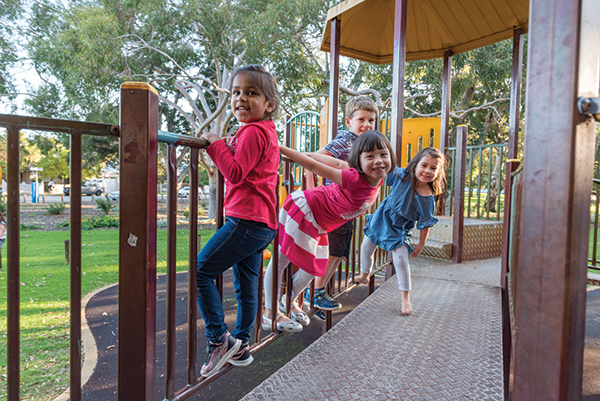
A toolkit designed to help schools use AEDC data to inform planning of early childhood programs and encourage engagement with the broader early childhood community is making a difference.

The Kids Research Institute Australia researchers have been awarded more than $11.3 million in funding from the National Health and Medical Research Council (NHMRC).
Researchers at Perth's The Kids for Child Health Research are mourning the sudden passing of Canadian child development expert Dr Clyde Hertzman
At The Kids, our vision is simple - happy healthy kids. Our goal is to make a real difference in our community to benefit children and families everywhere. Our values underpin the way we work and make decisions: collaboration, courage, evidence, respect.
ORIGINS is the largest study of its kind in Australia, following 10,000 children, from their time in the womb, over a decade to improve child and adult health.

Senior Research Fellow
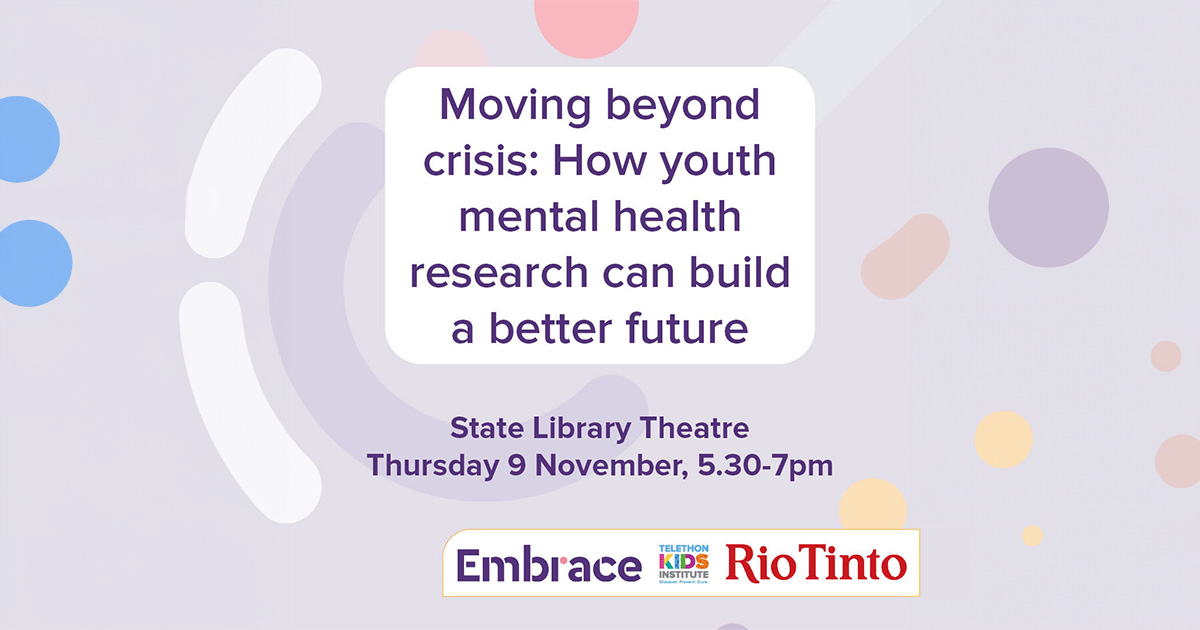
On the 9th of November from 5:30 to 7:30pm, Embrace @ The Kids Research Institute Australia, in partnership with Rio Tinto, invites you to a free public panel discussion on permacrisis and the mental health of young people.