
Search
Showing results for "aboriginal respiratory"
There is a lack of digital gatekeeper resources developed for parents to assist them in recognising and responding to mental health problems in their children and adolescents. We aimed to address this by exploring parents' mental health information needs, and to iteratively develop and design a resource incorporating their feedback.
Young children are increasingly exposed to evolving screen technology. International guidelines recommend no screen use for children under the age of 2 years, due to the potential for detrimental effects on behaviour and development. However, evidence for these guidelines is limited by inadequate consideration of device-specific effects (TV and mobile phone/tablet computer), maternal screen use, confounders such as maternal mental health and importance of effect sizes.
Gender- and sexuality-diverse (GSD) youths are at increased risk of depression and anxiety compared with their cisgender and heterosexual counterparts. Little is known about the risks for younger GSD adolescents (<15 years).
Stigma and self-stigma reduce self-esteem and increase hopelessness and suicidality. While psychotic disorders are widely recognized as the most stigmatizing of all mental health disorders, there is a dearth of research investigating how stigma and self-stigma are experienced by young people at ultra-high risk (UHR) for psychosis.
Monthly intramuscular injections of benzathine penicillin G (BPG) remain the cornerstone of secondary prophylaxis for acute rheumatic fever and rheumatic heart disease (RHD). The barriers to successful delivery of BPG may be patient- or service-delivery-dependent.
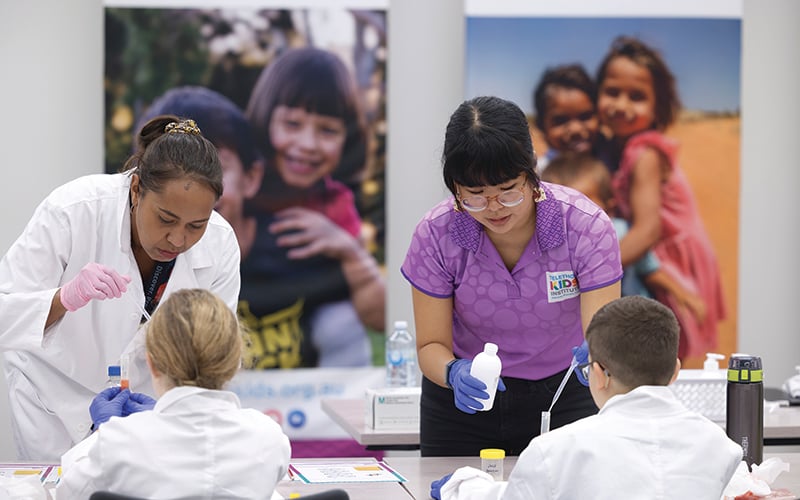
Strawberries, slime and sliced bread are being used as tools to educate and inspire the next generation of researchers, as part of the The Kids Discovery Centre Schools & Outreach Program.
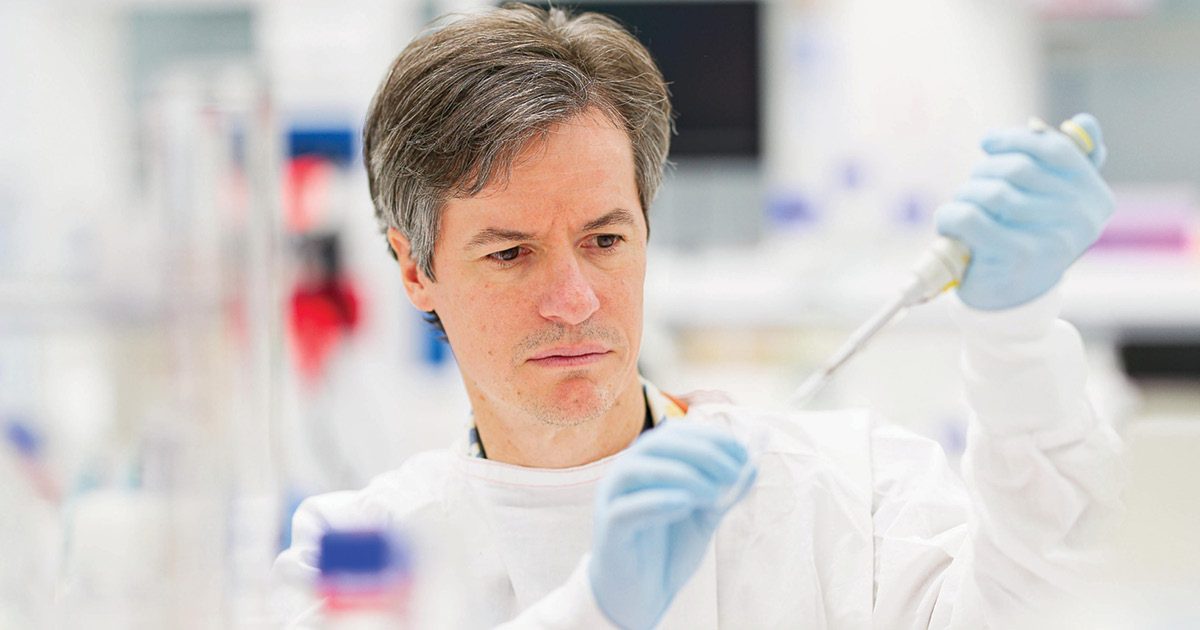
The Kids Research Institute Australia is playing a key role within a global team of experts whose work is transforming efforts to tackle a potentially deadly disease that disproportionately affects Aboriginal and Torres Strait Islander children in remote Australia.
The Future Proofing Study (FPS) was established to examine factors associated with the onset and course of mental health conditions during adolescence. This paper describes the design, methods, and baseline characteristics of the FPS cohort.
Alcohol and Other Drug (AOD) exposure during pregnancy is linked to serious adverse child outcomes, including Fetal Alcohol Spectrum Disorder. The Parent-Child Assistance Program (PCAP) supports women with problematic AOD use, who are pregnant or have young children, and are not effectively engaging with services. PCAP has been shown to reduce alcohol exposed pregnancies, promote AOD abstinence, increase employment and family planning and improve child outcomes.
General Practitioners (GPs) play a crucial role in the identification and support of young people at risk of suicidal behaviour and self-harm; however, no studies have explored GPs’ perspectives, approaches, challenges, and resource needs when working with this cohort in an Australian setting.