
Search
Showing results for "Childhood interstitial lung disease "

The urgency for a world-first respiratory syncytial virus vaccine is at an all-time high.
This is the first prospective study to identify an association between early life testosterone exposure and pragmatic language difficulties in girls
The incidence of anaphylaxis is increasing globally in tandem with changing environmental and lifestyle factors. There is very limited data on very early childhood presentations. We aim to assess changes in rates, characteristics and management of infant anaphylaxis in a paediatric ED over a 15-year period.
Early first sexual intercourse (FSI) is a risk factor for unplanned abstract teenage pregnancy, sexually transmitted infection, and adverse social, emotional...
Appropriate interpretation of pulmonary function tests (PFTs) involves the classification of observed values as within/outside the normal range based on a reference population of healthy individuals, integrating knowledge of physiological determinants of test results into functional classifications and integrating patterns with other clinical data to estimate prognosis.
Lung function is highly heritable and differs between the sexes throughout life. However, little is known about sex-differential genetic effects on lung function. We aimed to conduct the first genome-wide genotype-by-sex interaction study on lung function to identify genetic effects that differ between males and females.
Diesel engine exhaust exposures were higher in underground miners and had a negative association with their lung function over a single 12-h shift
Better understanding of evolution of lung function in infants with cystic fibrosis...

A new combination of drugs could help to increase survival rates with fewer side effects for some children with one of the most aggressive forms of childhood brain cancer.
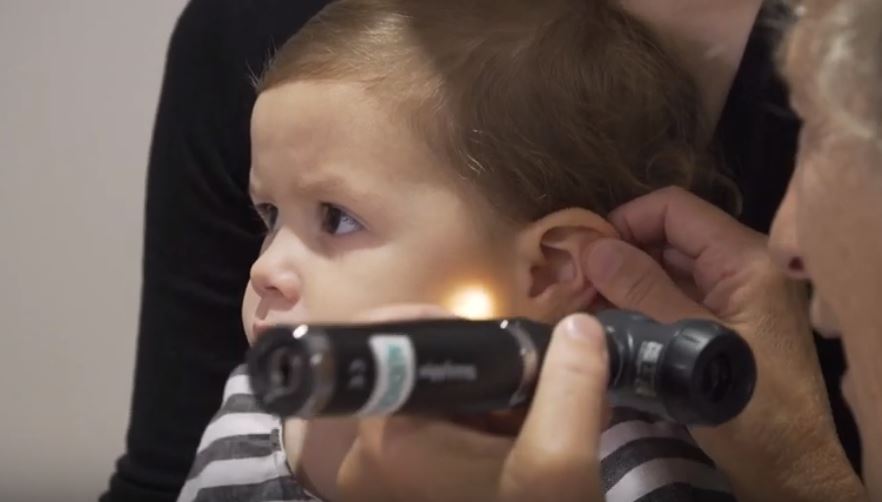
Researchers from The Kids Research Institute Australia have identified the main bacteria responsible for recurrent ear infections and repeat ear surgeries in children.