
Search
Showing results for "Childhood interstitial lung disease "

Program Manager
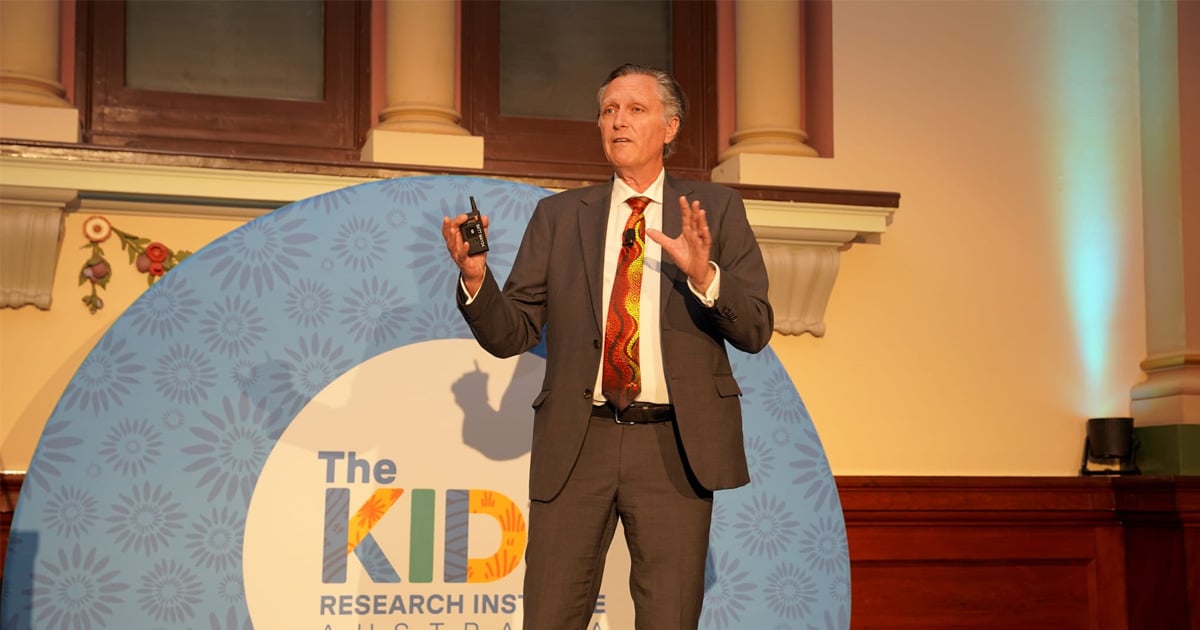
Last night, almost 60 supporters gathered at Adelaide Town Hall for the inaugural The Kids Research Institute Australia Adelaide Lecture, Not Just a Sore Throat: The Race to Stop One of the Deadliest Bugs on the Planet.

The aim of this study is to explore the experience of stigma in adolescents with type 1 diabetes and its association with diabetes self-management and glycaemic control.
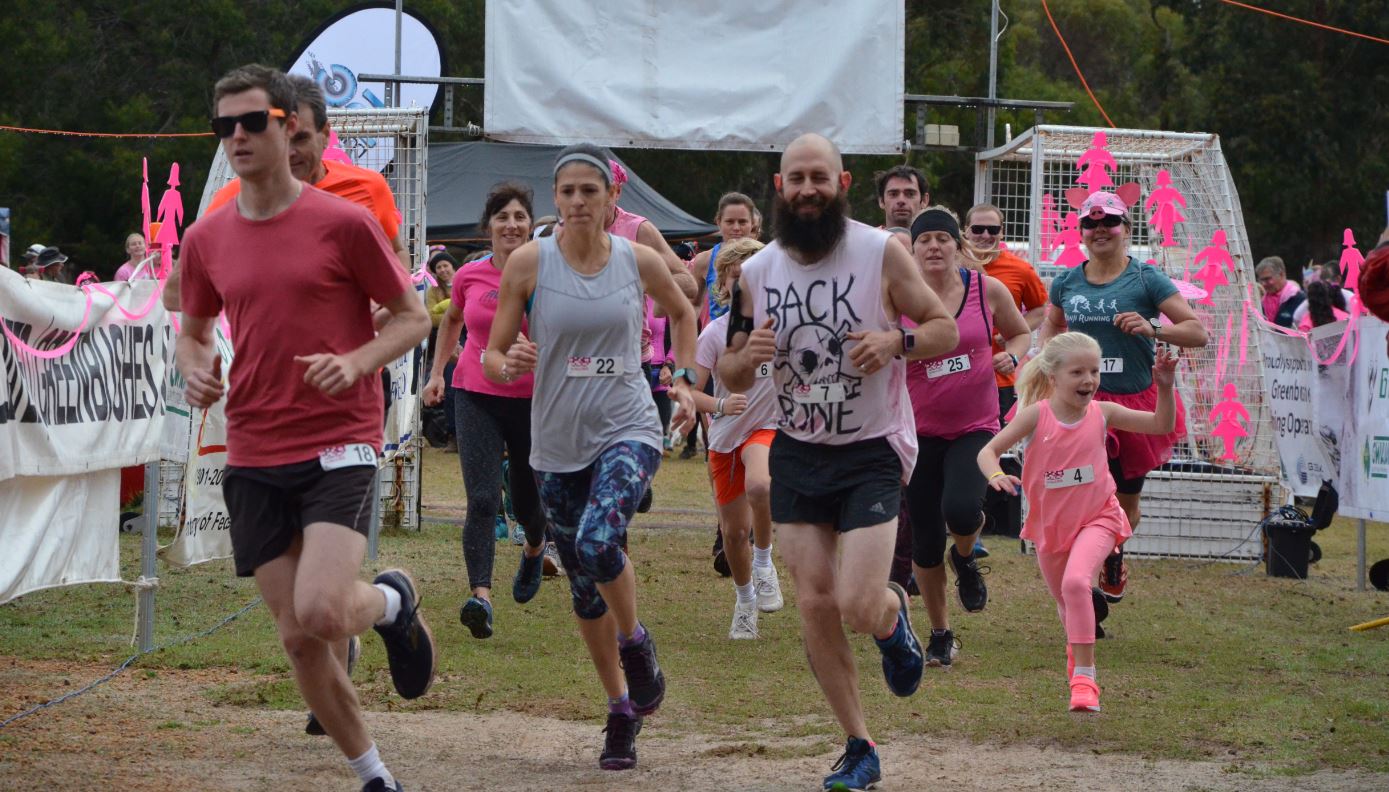
The tiny south west town of Greenbushes has again proved it has a big heart when it comes to raising funds for charity following the hosting of its sixth annual Fun Run and Mountain Bike Event recently.
The Kids Research Institute Australia is looking for healthy babies (born from 35 weeks of pregnancy onwards) to take part in an important study evaluating a new medication that may help prevent Respiratory Syncytial Virus (RSV) disease.
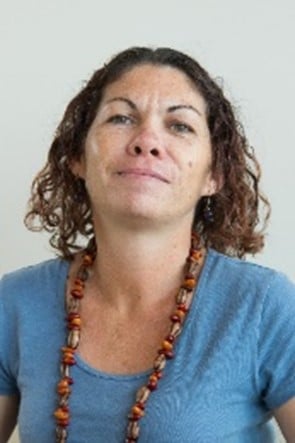
Noeletta McKenzie is a Champion for Change, RHDAustralia, and community representative and advocate for the START study.
While a systematic review exists detailing neonatal sepsis outcomes from clinical trials, there remains an absence of a qualitative systematic review capturing the perspectives of key stakeholders.
The first few days of life are characterized by rapid external and internal changes that require substantial immune system adaptations. Despite growing evidence of the impact of this period on lifelong immune health, this period remains largely uncharted.
Globally, non-communicable diseases (NCD) kill about 40 million people annually, with about three-quarters of the deaths occurring in low- and middle-income countries. This study was carried out to determine the patterns, trends, and causes of in-hospital non-communicable disease (NCD) and injury deaths in Tanzania from 2006-2015.
Streptococcus pyogenes (Strep A) is a leading cause of morbidity and mortality across the globe, annually causing hundreds of millions of cases of disease.