
Search
Showing results for "lung disease preterm"
This review discusses the available evidence base to help provide practical guidance when considering probiotics in practice
We analysed the stimulation of J8 antibodies in response to infection, and the role of existing J8 antibodies in protection against subsequent infection
Here we present the collection of abstracts of invited lectures and oral communications presented during the 7th inVIVO Planetary Health Conference
This study investigates the variation of human milk metabolites in human milk between five different countries
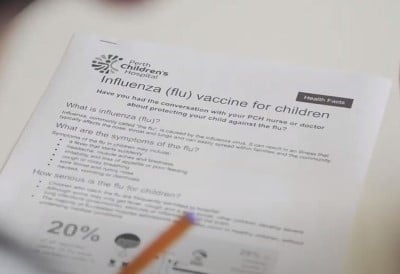
Western Australia has experienced historically low levels of respiratory syncytial virus (RSV) and influenza this winter due to the public health measures implemented to prevent the spread of COVID-19.
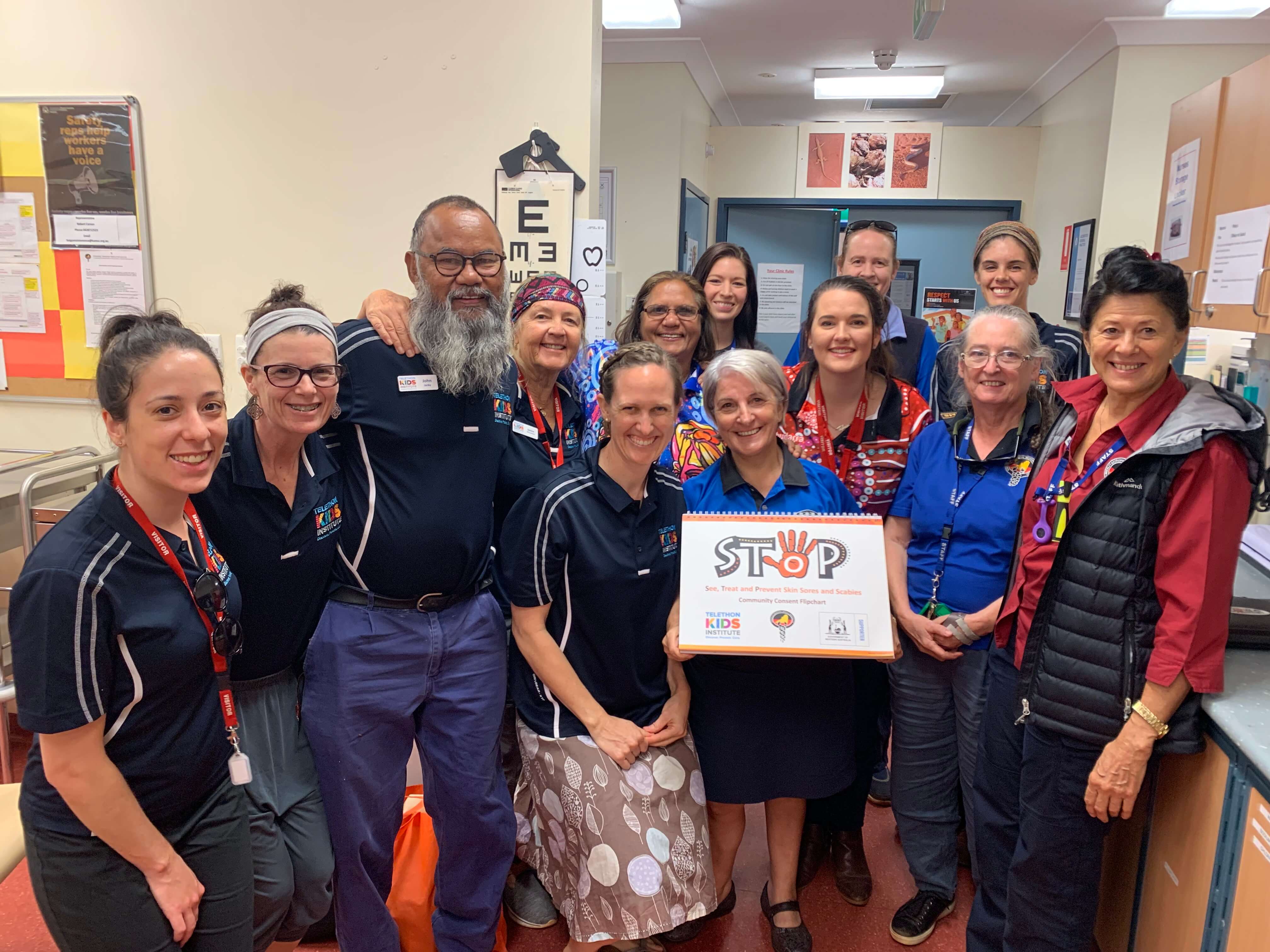
Six weeks, nine community visits and 380 kids – it’s a wrap for round one of the StoP Trial!
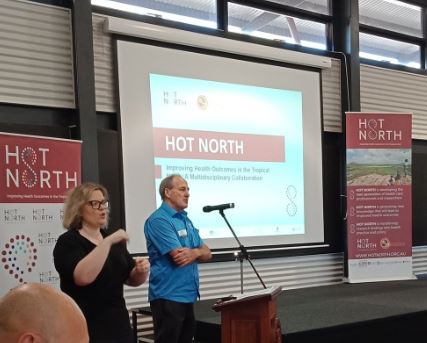
Over 100 researchers and health professionals from around Australia have united in Broome this week to address the major health battles facing people living in the tropical north of the country.
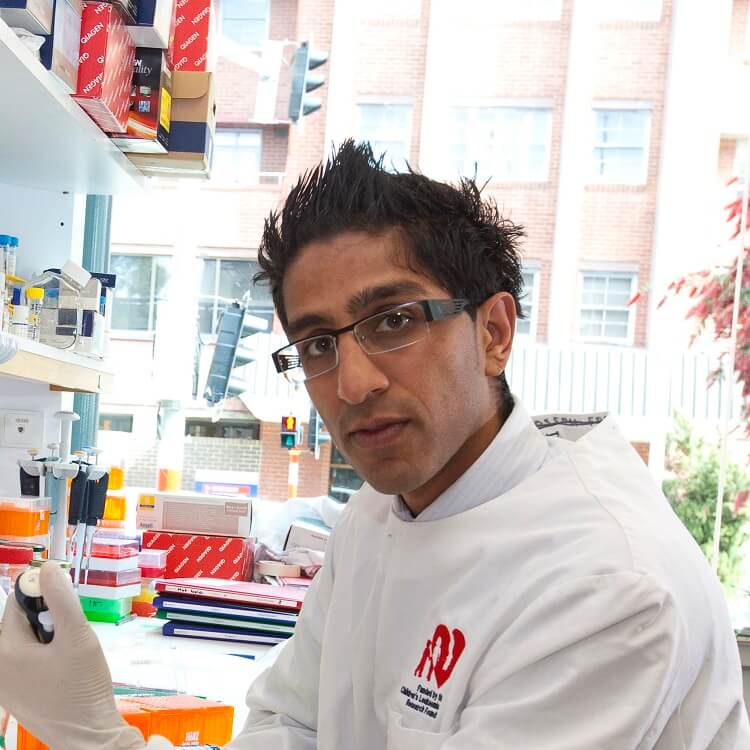
The Australian arm of an international clinical trial looking at improved treatments for young babies with leukaemia has been awarded funding from the MRFF.
Australian researchers join global effort to better understand how events during pregnancy and childhood influence the development of disease later in life.
A global plan to tackle one of the most aggressive types of childhood brain tumours will be developed as a result of a meeting of international experts in WA.