
Search
Showing results for "mental health aboriginal"
Papua New Guinea (PNG) introduced the 13-valent pneumococcal conjugate vaccine (PCV13) in 2014, with administration at 1, 2, and 3 months of age. PCV13 has reduced or eliminated carriage of vaccine types in populations with low pneumococcal carriage prevalence, carriage density and serotype diversity.
Bronchiolitis is a respiratory infection, usually occurring in babies under six months of age. It causes them to wheeze and can lead to pneumonia. Researchers are focusing on vaccines against the virus which commonly causes it.
Engaging young people in sun safety messaging is important because they are vulnerable to the harmful long-term effects of too much sun exposure.
Described antimicrobial resistance mechanisms enable bacteria to avoid the direct effects of antibiotics and can be monitored by in vitro susceptibility testing and genetic methods. Here we describe a mechanism of sulfamethoxazole resistance that requires a host metabolite for activity.
ARC is a global network of collaborators committed to reducing the burden of RHD in our lifetime.
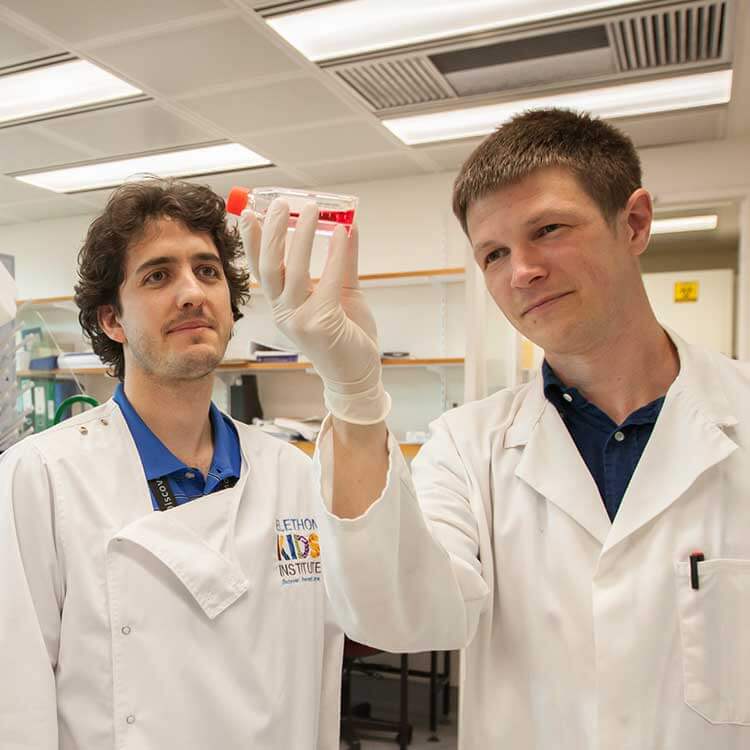
The Pregnancy and Early Life Immunology team's overall research vision is targeted towards understanding immunological development during early life.
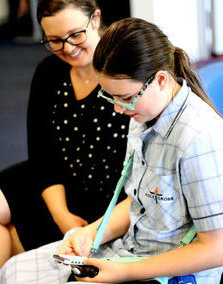
This time last year Keira Reynolds was in a vastly different place to where she is today. Back then, the Year 6 student was coming to grips with a new type 1 diabetes diagnosis and finishing primary school, uncertain about what lay ahead at high school.
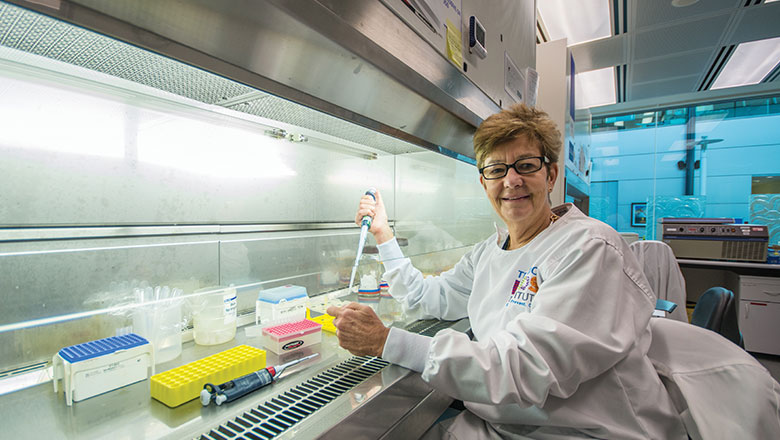
The D-Light program, set up in 2014, aims to shed light on the amount of sun exposure that will promote good health in children and adolescents.
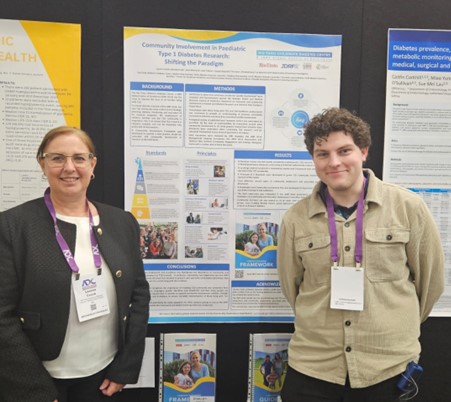
Our team had a few busy days presenting posters, chairing expert panels, delivering presentations and catching up with colleagues from across the world at the 2024 ADC Conference in Perth.
These summary measures can also be used to quantify the component of variation in epidemiology that is related to sociodemographic development.