
Search
Showing results for "aboriginal respiratory"
Vaccines including conserved antigens from Streptococcus pneumoniae & nontypeable Haemophilus influenzae have the potential to reduce of otitis media.
The effect of breast-feeding on the development of allergic disease is uncertain
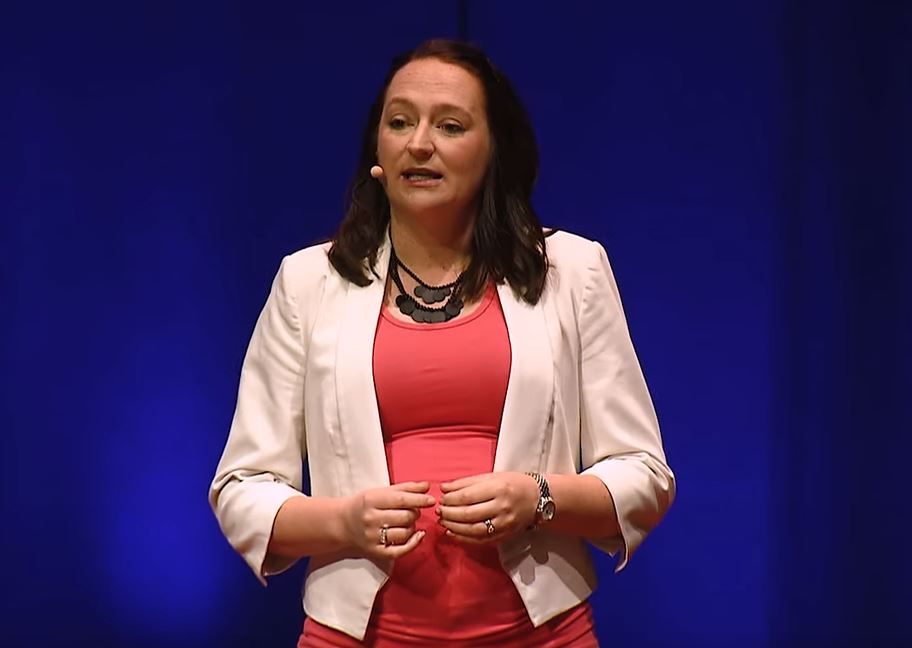
Dr Hannah Moore was one of WA’s brightest minds chosen to speak at TEDX Perth in November last year, presenting her insights into the power of data in fighting infectious diseases to a sold-out crowd at the Perth Concert Hall.
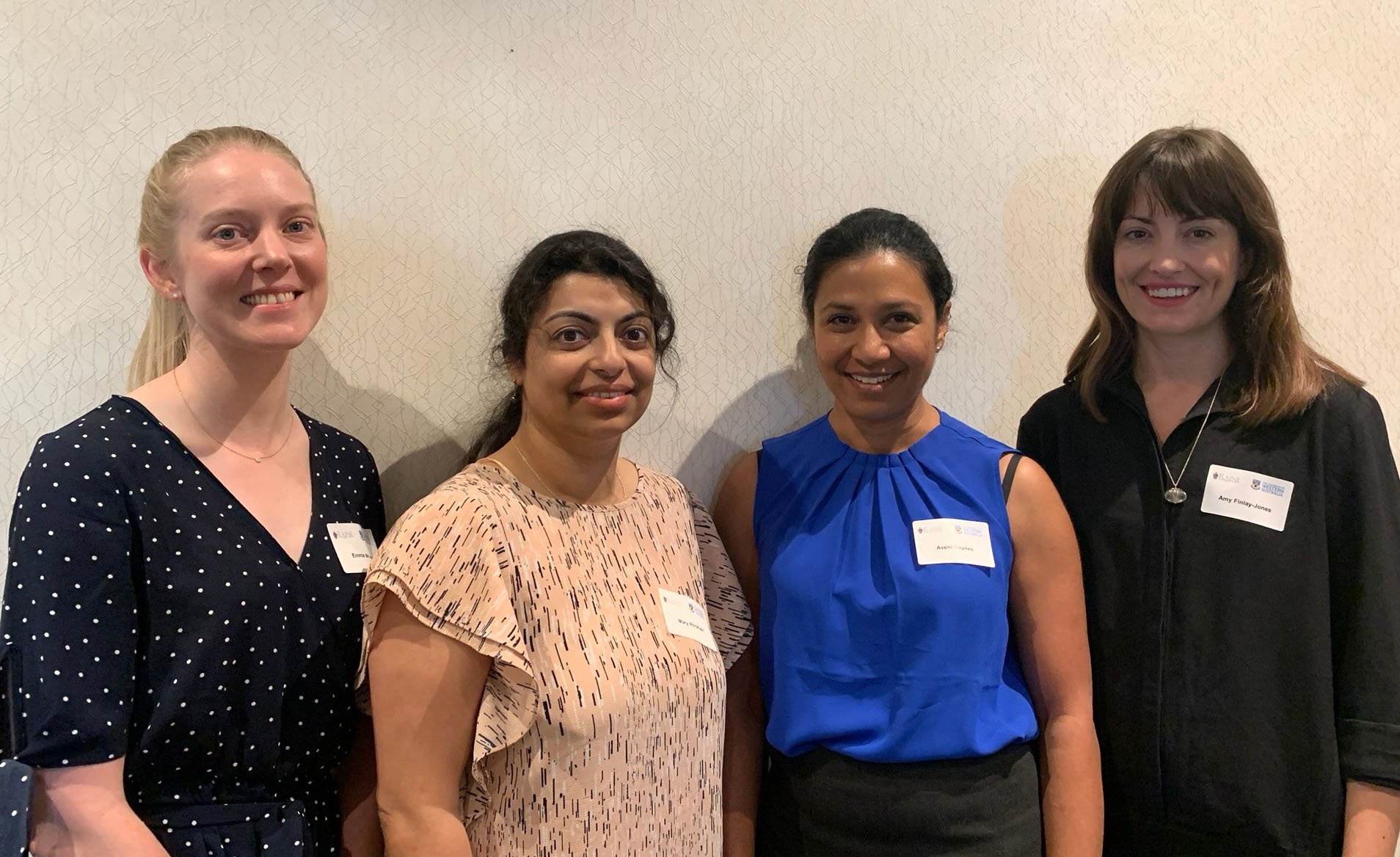
Children’s Diabetes Centre researchers at The Kids Research Institute Australia are among the big winners of prestigious Raine Medical Research Foundation Awards.

New research from The Kids Research Institute Australia has revealed a significant link between kids with severe ADHD and higher rates of early childhood hospital admissions.
Perth children are being asked to volunteer for an important national study to test the effectiveness of an influenza vaccine in children.
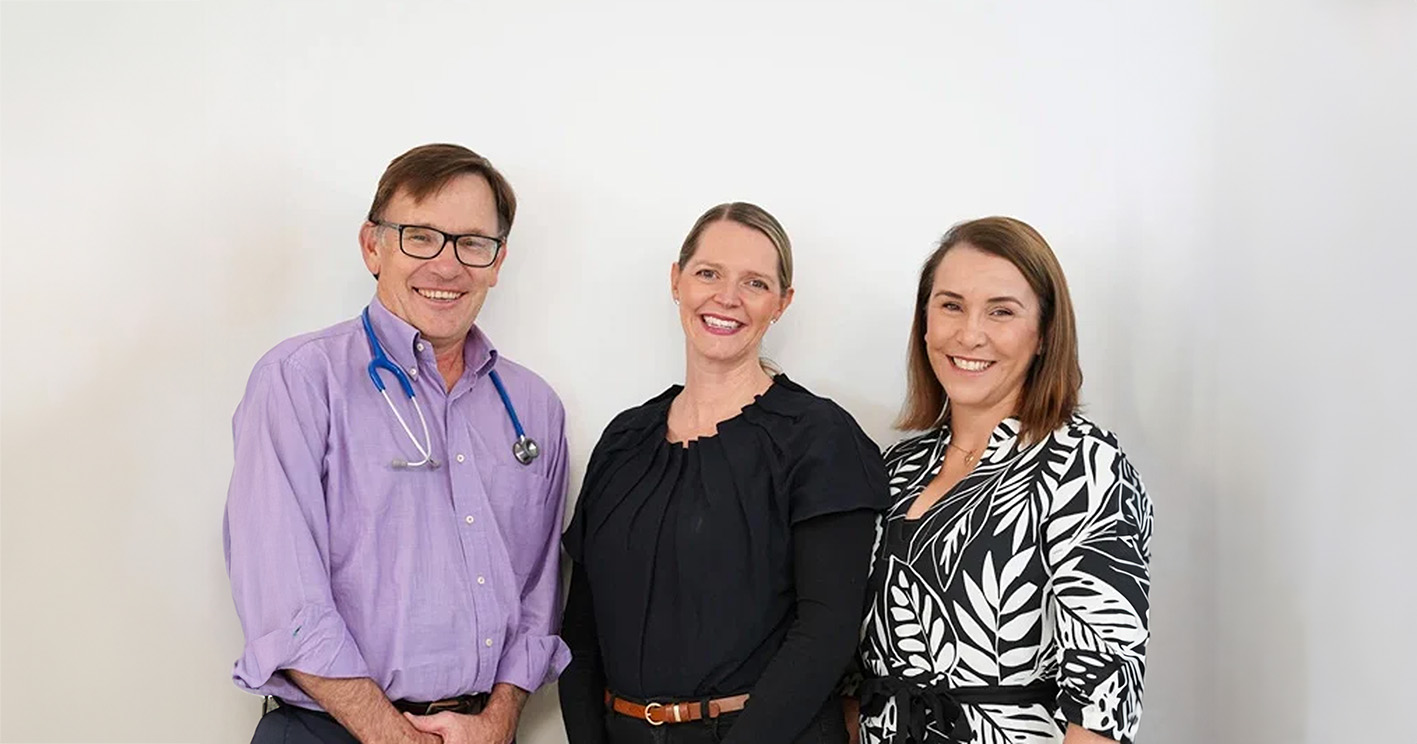
Researchers developing a nasal therapy to prevent childhood ear infections and reduce overuse of antibiotics have received $300,000 in top-up funding.
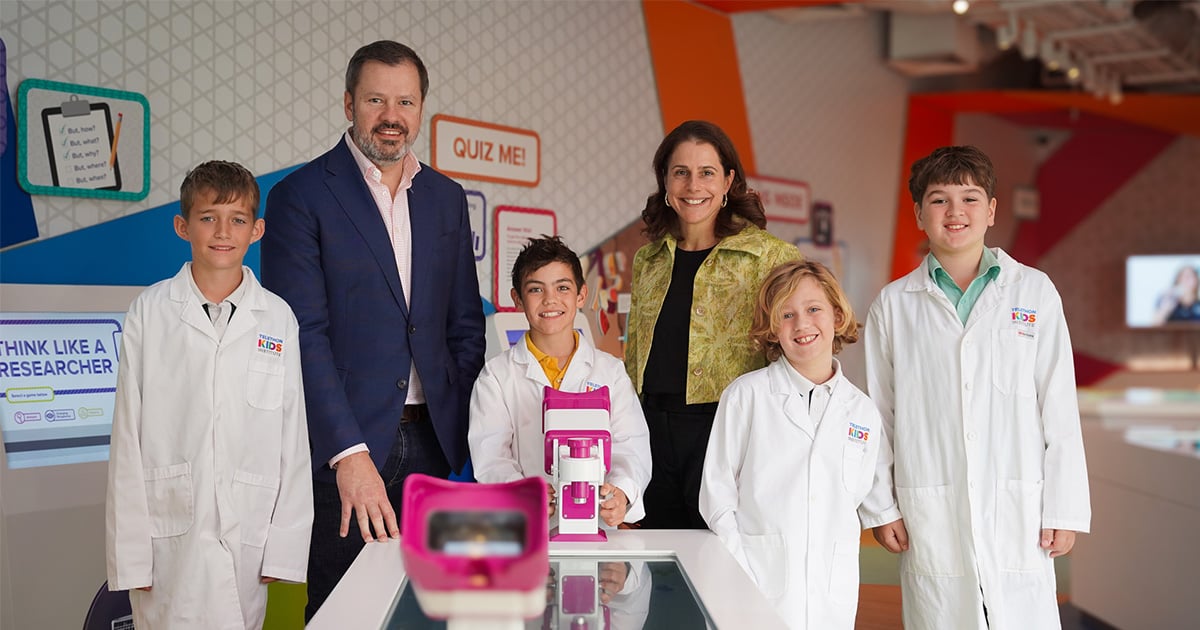
The Kids Research Institute Australia will bring science to the Kimberley for a second year in 2024 after the Federal Government today announced a $20,000 grant for the Institute to deliver the Broome STEM Festival.
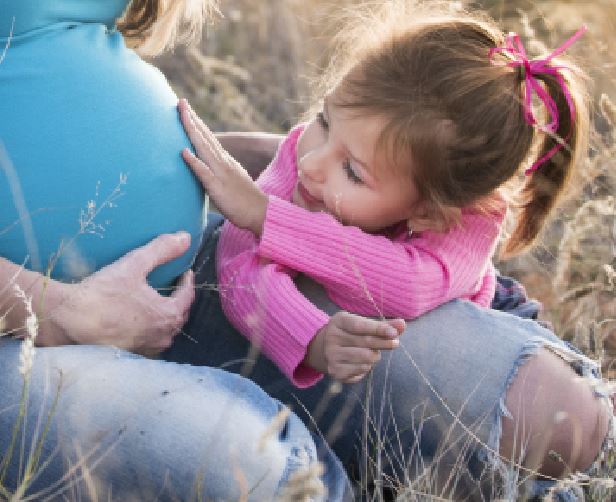
The Kids Research Institute Australia researchers leading the Western Australian site of a global respiratory syncytial virus (RSV) study can now fine-tune development of a world-first vaccine for pregnant mothers.
Direct UV irradiation of dendritic cells and Langerhans cells reduces their Ag presenting ability. However, the effects of UV on CD11c(+) cells located...