
Search
Showing results for "clinical trials"
To determine the association of exposure to polycyclic aromatic hydrocarbons (PAHs) with lung function and pH of exhaled breath condensate (EBC) in Mexican...
As of 1 May 2020, there had been 6808 confirmed cases of COVID-19 in Australia. Of these, 98 had died from the disease. The epidemic had been in decline since mid-March, with 308 cases confirmed nationally since 14 April.
This project aimed to investigate how schools provide support for the psychosocial wellbeing and disease management of students with type 1 diabetes
These cases, both without seizures but with apparent behavioral symptomatology, together question whether seizures are mandatory in this disorder
Here, we identifyied 12 suggestively significant loci associated with intake of any macronutrient in 91,114 European ancestry participants
We review the pathophysiology of hypersensitivity reactions and the implications for anesthesia of food allergy, atopy, and family history of allergy in children
Inhalation of airborne asbestos fibres causes several diseases. These include asbestosis, lung cancer, malignant mesothelioma as well as pleural effusion...
Previous studies relating increased serum levels of folate and fat-soluble vitamins to prostate cancer risk have variously shown null associations or to either
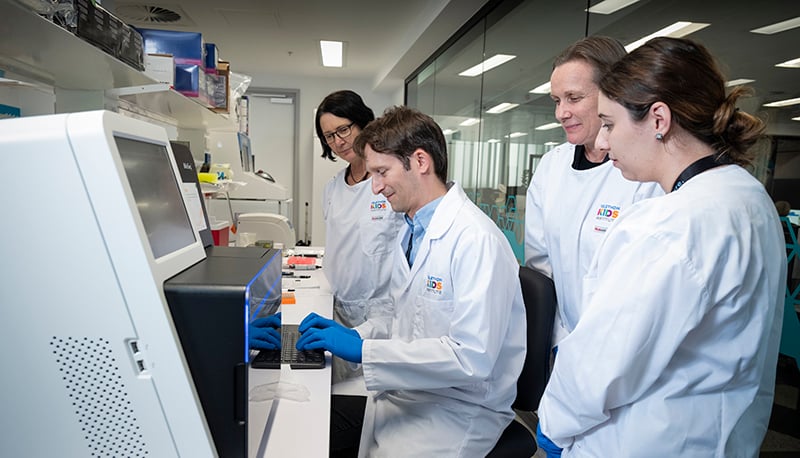
Researchers at The Kids Research Institute Australia working to provide confident diagnoses for children suffering from rare diseases have created a new computer algorithm to help pinpoint the mutations responsible for the conditions.
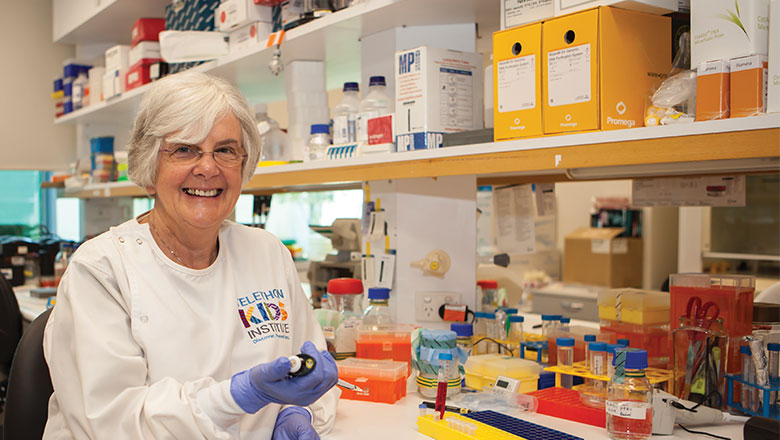
Winning the support of a remote Aboriginal community paved the way for a pioneering genetics study.