
Search
Showing results for "early lung health"
On this Research Impact page, we showcase real game-changers - research that changes the very way other scientists around the world think and approach challenges. The far-reaching impact on children and families for all the stories shown on these pages is both exciting and significant.
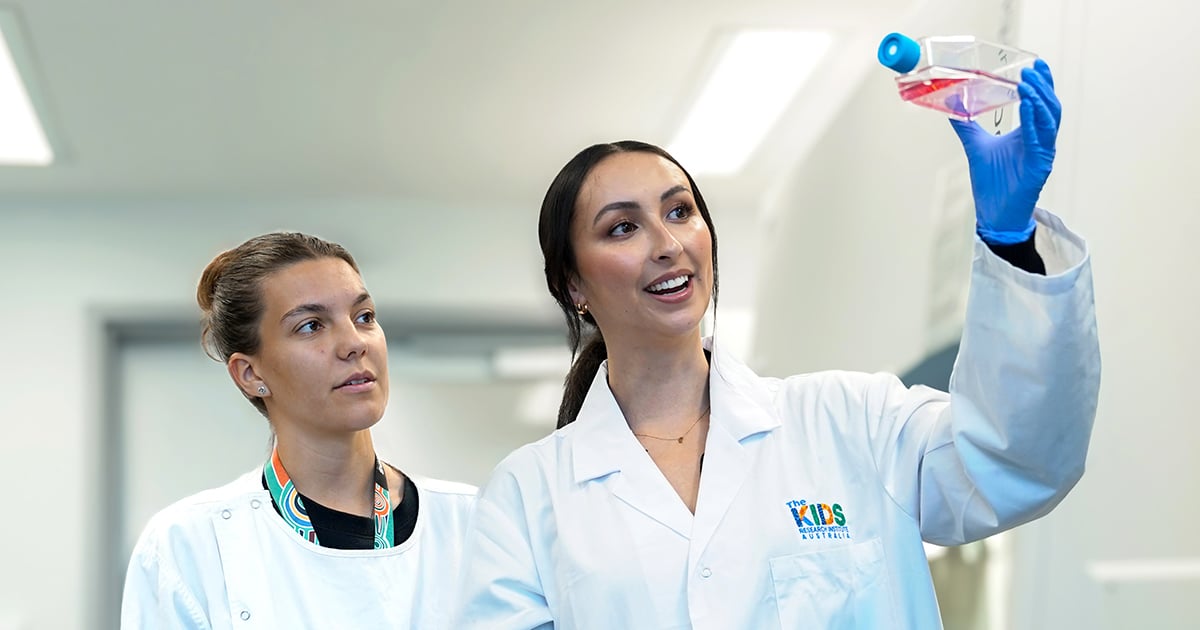
At The Kids Research Institute Australia, our researchers are working to shift that balance through evidence-based research that supports the health, safety and wellbeing of girls, young women and women at every stage of life.
A birth acellular pertussis vaccine may be a valuable alternative for immunity against infant pertussis when a pregnancy pertussis vaccine has not been administered. We assessed whether a birth dose may impair immunoglobulin G (IgG) responses to childhood pertussis boosters.
We assessed the impact of maternally derived pertussis antibodies on infant responses to a 2 + 1 vaccine schedule (6 weeks, 12 weeks, and 12 months). Infants with baseline antibodies showed lower IgG responses following the primary vaccination series, but this did not impair booster responses at 4 years of age.
Given the ongoing mortality and morbidity from GAS infections, we must address more effectively the treatment and prevention of GAS impetigo and pharyngitis
To determine age-specific and age-standardised incidence trends of acute rheumatic fever (ARF) or rheumatic heart disease (RHD) among Indigenous Western Australians aged less than 35 years of age.
This review summarises the phage-microbe-human lung interactions in CF that must be addressed to successfully develop and deliver phage to CF airways
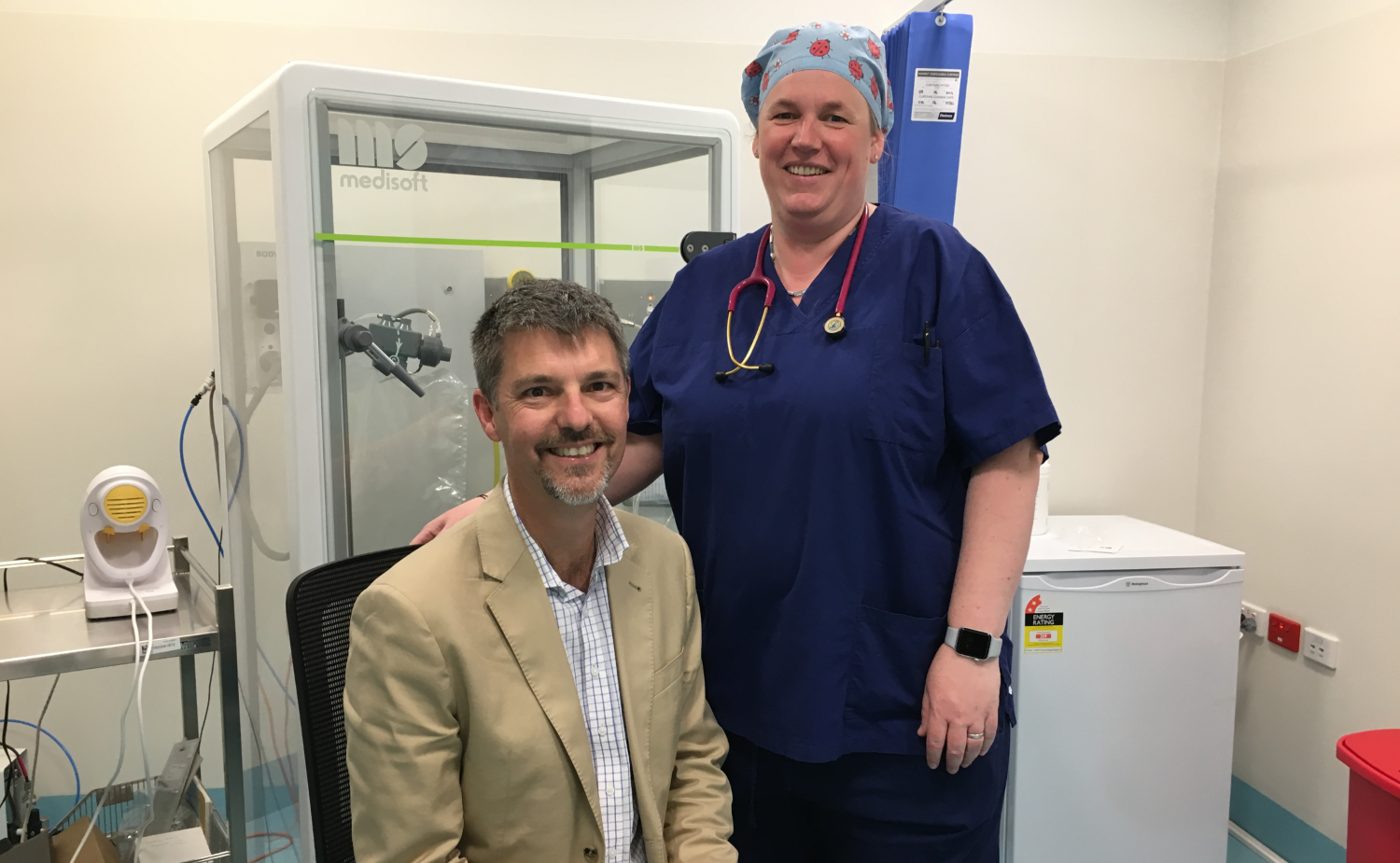
World-first findings from the collaborative REACT study – a joint project between The Kids, PCH, UWA and Curtin University – have led to the asthma medication Ventolin being routinely given to paediatric patients before tonsillectomy surgery to prevent respiratory complications.

The Kids Kimberley researchers will now be able to travel to some of the most remote and hard to reach areas of the region, thanks to Centurion.
Small volume assays are required for large-scale research studies and in particular paediatric trials, where multiple measures are required from a single sample. Fluorescent bead-based technology (Bioplex/Luminex) allows high through-put and simultaneous quantification of multiple analytes in a single test. This technology uses sets of microspheres, each with a unique spectral address that can be coated with a different antigen of interest.