
Search
Showing results for "clinical trials"
Helen Yael Morgan Perry BA (Hons), Doctor of Psychology BPsych (Hons) MPsych (Clin) PhD Senior Project Coordinator Head, Youth Mental Health 08 6319

For decades Australians have been told to minimise sun exposure to prevent skin cancer.
We hope that through earlier diagnosis and treatment of muscle weakness during sleep, we can prevent future lung failure in children with neuromuscular disorders.
This study aims to clarify the pathways through suicidality experienced by LGBTQA+ young people to identify areas for possible intervention.
Many families of trans young people tell us they feel unsure, stressed, or alone as they try to support their child.
Mental health problems are the most prevalent and expensive chronic condition affecting children.
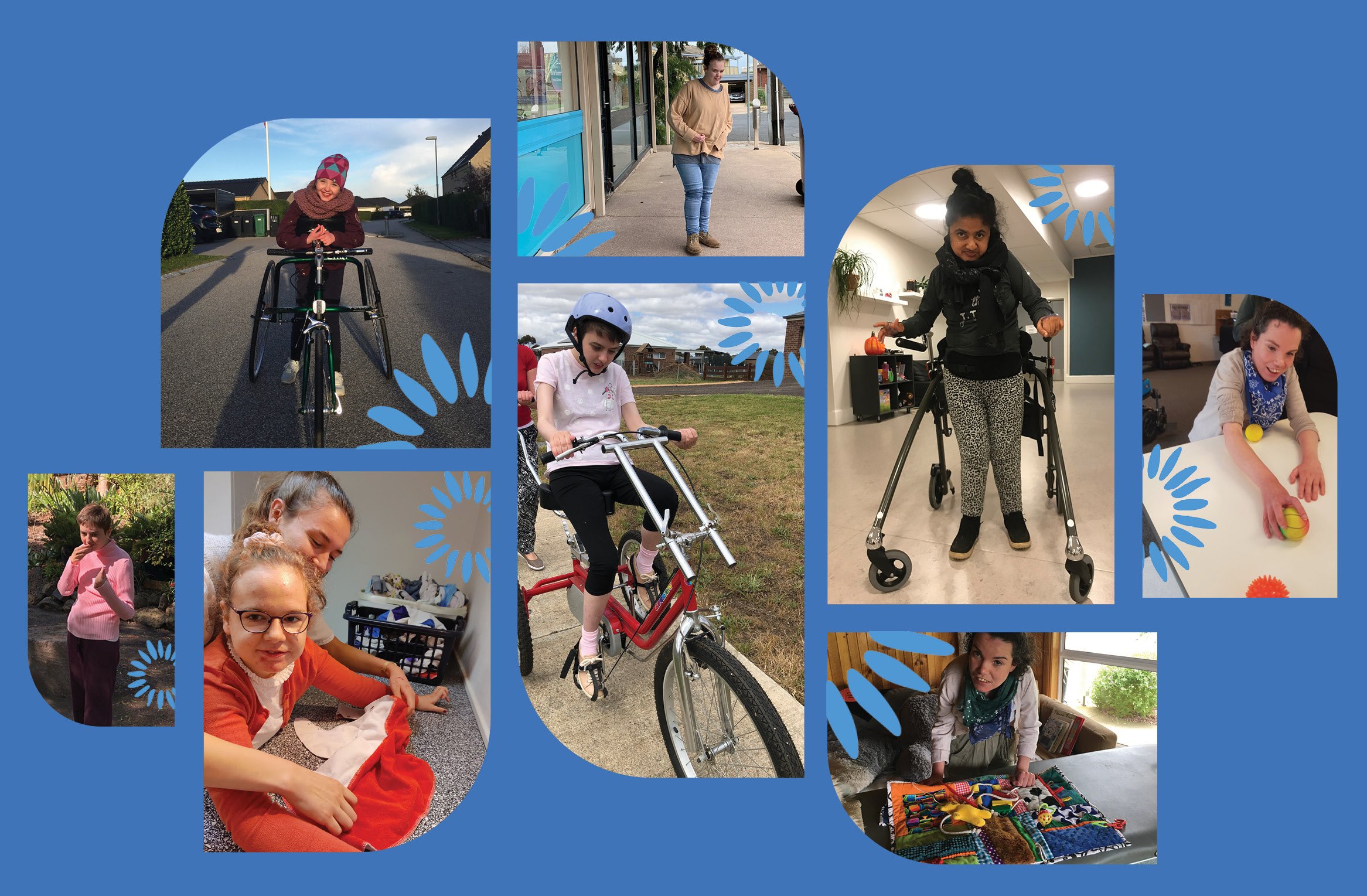
Rett syndrome is one of the 8,000 rare genetic diseases that collectively affect up to 10% of the population.
Postdoctoral Research Officer

Postdoctoral Research Fellow
Senior Research Officer