
Search
Showing results for "early lung health"

ORIGINS sub-projects investigating the impact of the physical environment and lifestyle on health, development and chronic conditions.
CDKL5 deficiency disorder (CDD) is a rare developmental and epileptic encephalopathy. Greater understanding of the smallest meaningful improvements for individuals with CDD in clinical trials and practice is needed for a person-centred approach to treatment efficacy. This study explored how parent/caregivers of people with CDD understood meaningful improvements and described change for priority functional domains including communication, gross motor, fine motor, feeding.
CDKL5 deficiency disorder is a rare and severe developmental and epileptic encephalopathy that has profound effects on communication. It is essential that communication be measured accurately for upcoming gene therapy trials. The Communication Inventory Disability-Observer Reported was developed from a framework of communication derived from parent/caregiver interview data in consultation with disability and communication experts, and after reviewing concepts in existing measures.
As families increase their use of mobile touch screen devices (smartphones and tablet computers), there is potential for this use to influence parent-child interactions required to form a secure attachment during infancy, and thus future child developmental outcomes. Thirty families of infants (aged 9-15 months) were interviewed to explore how parents and infants use these devices, and how device use influenced parents' thoughts, feelings and behaviours towards their infant and other family interactions.
Asha Jonathan Bowen Carapetis AM BA MBBS DCH FRACP PhD GAICD FAHMS OAM AM MBBS FRACP FAFPHM PhD FAHMS Head, Healthy Skin and ARF Prevention Co-Head,
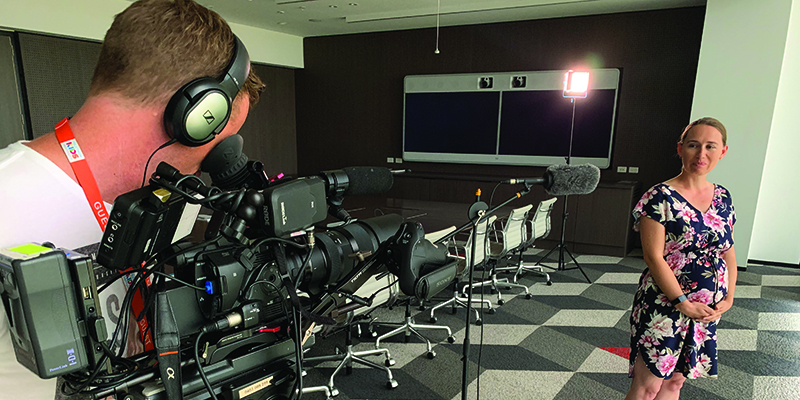
A screening tool to help midwives and other health professionals contribute to the prevention of FASD is changing maternity practice across WA public hospitals.
Find out more about our research into Aboriginal social and emotional wellbeing
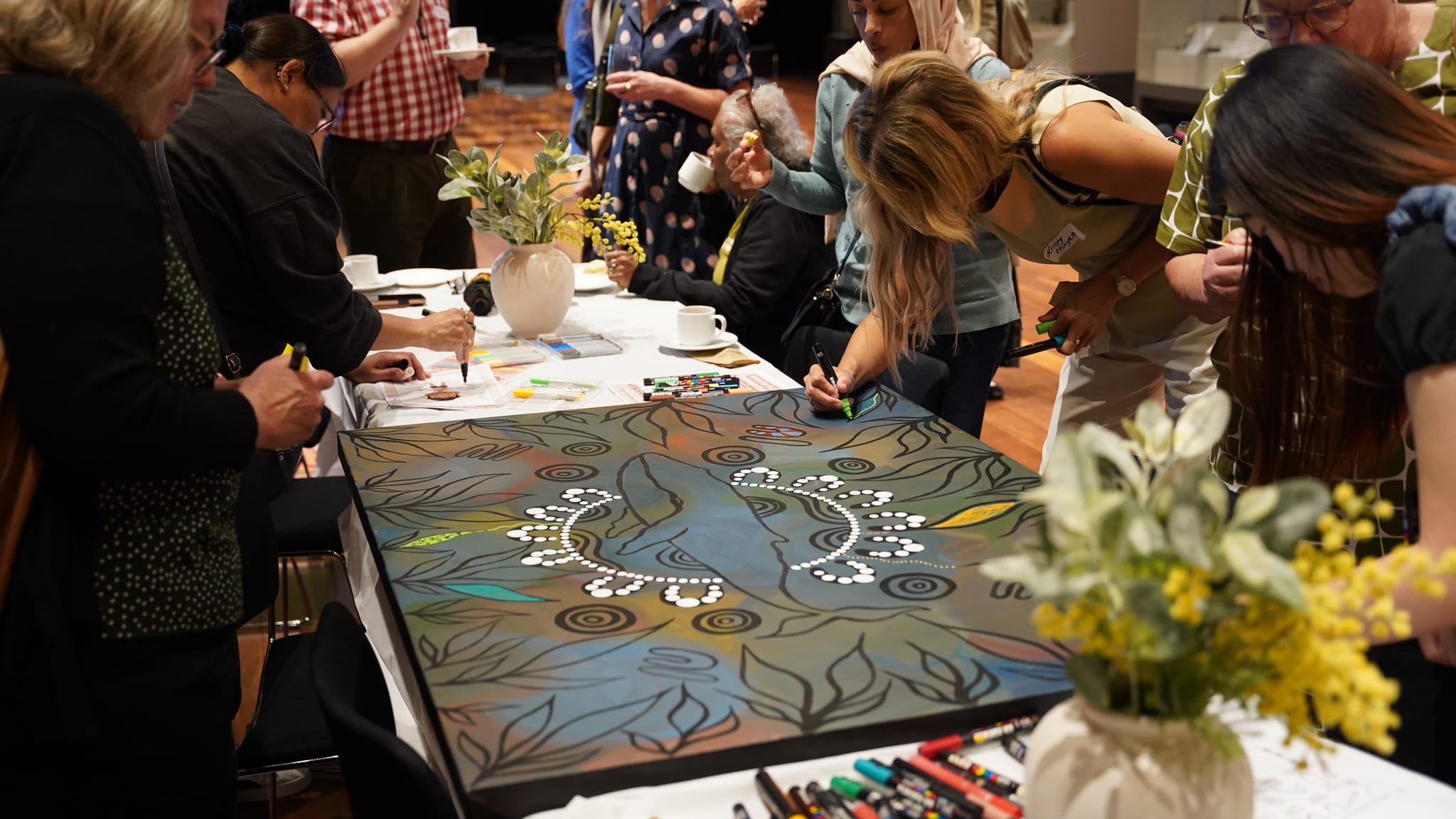
This project aims to improve the cultural safety and effectiveness of mainstream mental health services for Aboriginal and Torres Strait Islander children and families.
Validated measures capable of demonstrating meaningful interventional change in the CDKL5 deficiency disorder (CDD) are lacking. The study objective was to modify the Rett Syndrome Gross Motor Scale (RSGMS) and evaluate its psychometric properties for individuals with CDD.
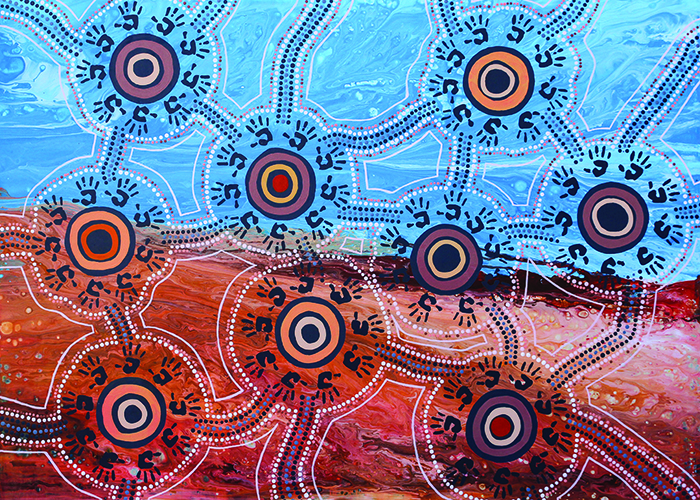
Hip Hop 2 SToP video It didn’t take long for shyness to make way for excitement when a group of children from Dampier Peninsula communities got