
Search
Showing results for "lung disease preterm"
Despite a recommendation for microbiological testing, only 45% of children hospitalized for respiratory infections in our previous data linkage study linked...
Although influenza vaccination is recommended during pregnancy as standard of care, limited surveillance data are available for monitoring uptake.
This work will be undertaken in collaboration with The Kids Research Institute Australia and Australian based research teams to better understand how Penicillin works in Māori and Pacific children/teens who receive monthly BPG injections.
The episode investigates the alarming rise in early-onset adult cancers and the research efforts to understand why and what Australia can do the reduce its diagnoses.
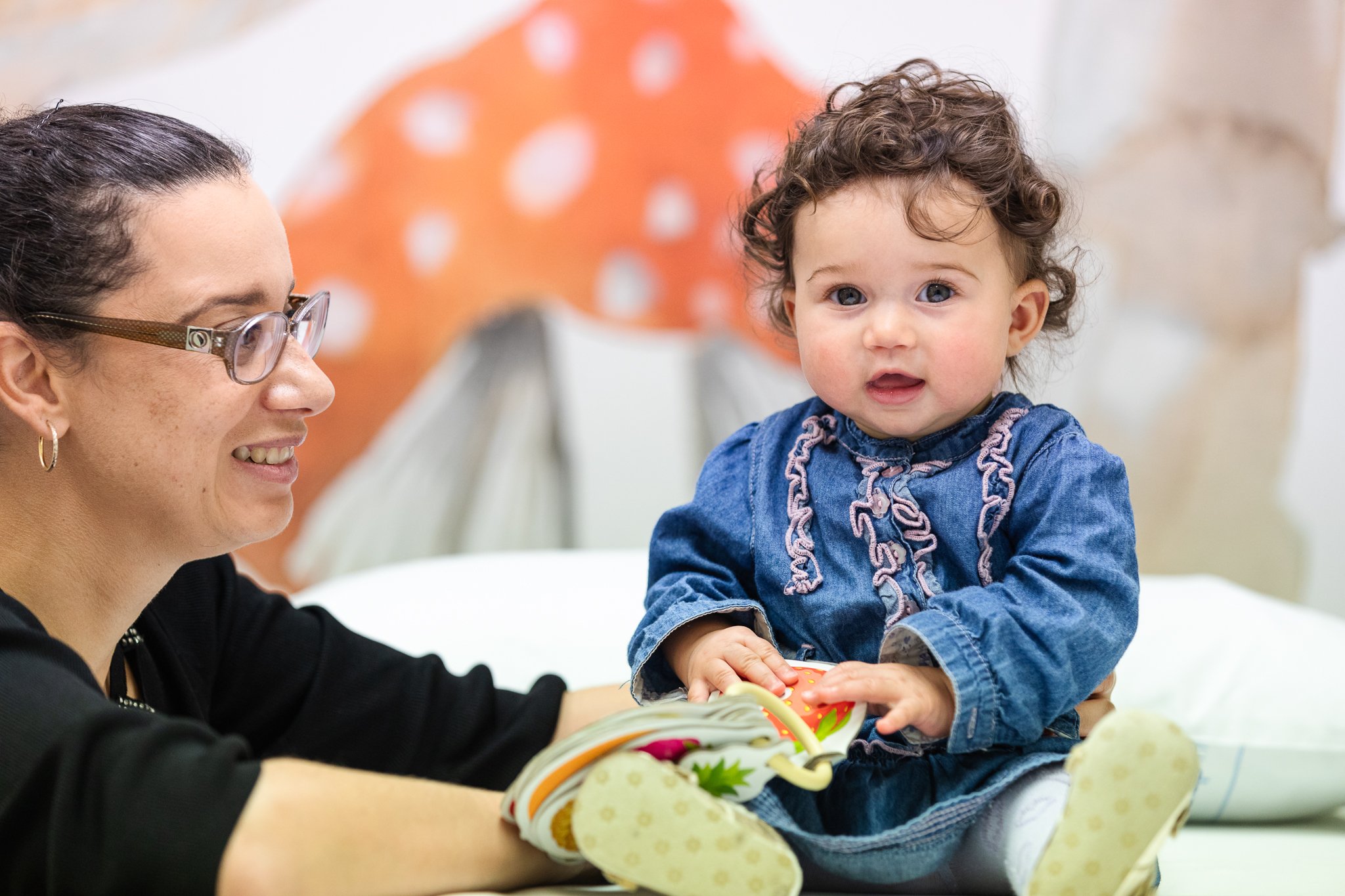
RHINO researchers from The Kids' Wal-yan Respiratory Research Centre, will analyse ORIGINS data and turn it into meaningful respiratory and allergy outcome data that can be used by researchers around the world.
The Western Australian Influenza Vaccine Effectiveness study commenced in 2008 to evaluate a new program to provide free influenza vaccine to all children...
Vitamin D, nutrition, diet, therapeutic agent
The active form of vitamin D, 1,25-hydroxyvitamin D(3) [1,25(OH)(2)D(3)] is produced in skin following exposure to sunlight
Vitamin D may be responsible for reducing the development and severity of autoimmune and allergic diseases. Topically applied 1,25-dihydroxyvitamin D(3) (1,25(O
Topical creams containing the active form of vitamin D (1,25-dihydroxyvitamin D3; 1,25(OH)2D3) or analogues of this compound are currently used with some succes