
Search
Showing results for "aboriginal respiratory"
Melissa Fiona Helen Rebecca Peter O'Donnell Stanley Leonard Glauert Jacoby BPsych (Hons), MPsych, GradDip Ed, PhD FAA FASSA MSc MD FFPHM FAFPHM FRACP
Marked increases in maternal age and primiparous births were observed. A four-fold increase in the rates of pre-existing medical complications over time...
To determine the proportion of child maltreatment-related emergency department presentations in WA and describe the types of injuries associated with them.
This study investigated the effects of Mindful Self-Compassion (MSC) training on the mental health of gender and sexually diverse young adults (aged 18–25 years) in Australia. A single-blind randomized controlled trial was conducted in 2020–2022 comparing an online-delivered 8-week group MSC training program with a waitlist control.
Maternal psychological distress is related to poorer physical and mental health as well as child developmental problems. Interventions that optimise maternal mental health and wellbeing during the "first 1,000 days" of life should have wide-reaching benefits for the mother and her child.
The maternal experience of stressful events during pregnancy has been associated with a number of adverse consequences for behavioral development offspring...
To determine whether there was an independent effect of breastfeeding on child and adolescent mental health
Child behaviour following low to moderate maternal drinking in pregnancy
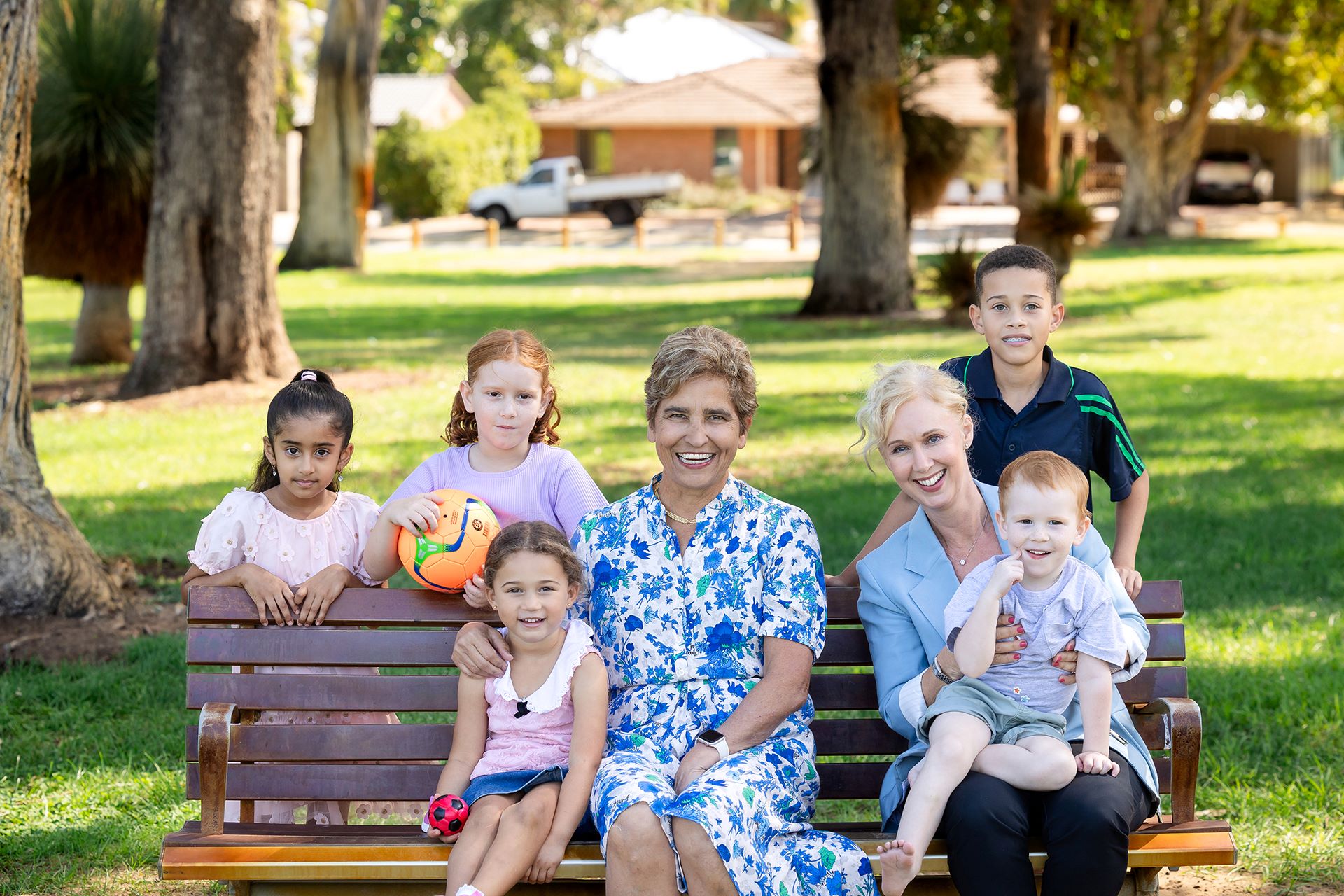
ORIGINS is Australia's largest longitudinal cohort study of its kind. Following 10,000 WA children from their time in the womb into early childhood, ORIGINS researchers are working to better understand when and why non-communicable diseases develop, and provide solutions for early intervention to ensure every child and family flourishes throughout their lifetime.
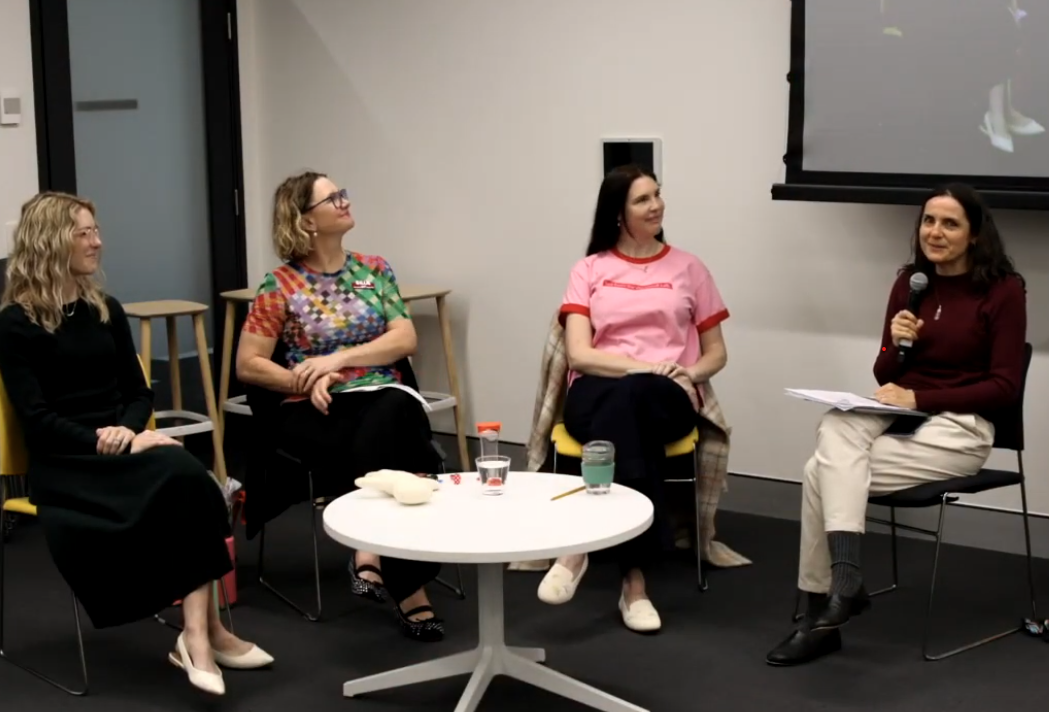
Amanda Zaffino, Gillian Griffiths, Tracey Jewel Constable, and facilitator Prof. Jeneva Ohan