
Search
Showing results for "mental health aboriginal"
A bold respiratory research project will investigate whether wearable devices could drastically change clinical care for children living with chronic diseases such as cystic fibrosis.

New collaborative research involving almost 600,000 pregnant mothers has demonstrated a dramatic increase in uptake of the whooping cough (pertussis) vaccine after identifying just 22 per cent of WA women had the maternal vaccination between 2012 – 2017.
No new safety concerns were identified for live attenuated herpes zoster vaccine in this study based on a novel, Australian primary care data source
RV1 and RV5 were both effective in preventing laboratory confirmed and notified rotavirus infections among children aged <5 years
This large population-based study suggests a significant healthcare burden associated with influenza in children with a range of chronic lung diseases
A biologically active vaccine may produce a low measured vaccine efficacy under a range of epidemiological, vaccine-related and logistical conditions
These data provide a picture of the prevalence of OFCs in WA since 1980, and provide a useful reference for OFC data in Australia and internationally.
Pat Peter Tom Holt Richmond Snelling PhD, DSc, FRCPath, FRCPI, FAA MBBS MRCP(UK) FRACP BMBS DTMH GDipClinEpid PhD FRACP Emeritus Honorary Researcher
Pat Tom Holt Snelling PhD, DSc, FRCPath, FRCPI, FAA BMBS DTMH GDipClinEpid PhD FRACP Emeritus Honorary Researcher Head, Infectious Disease
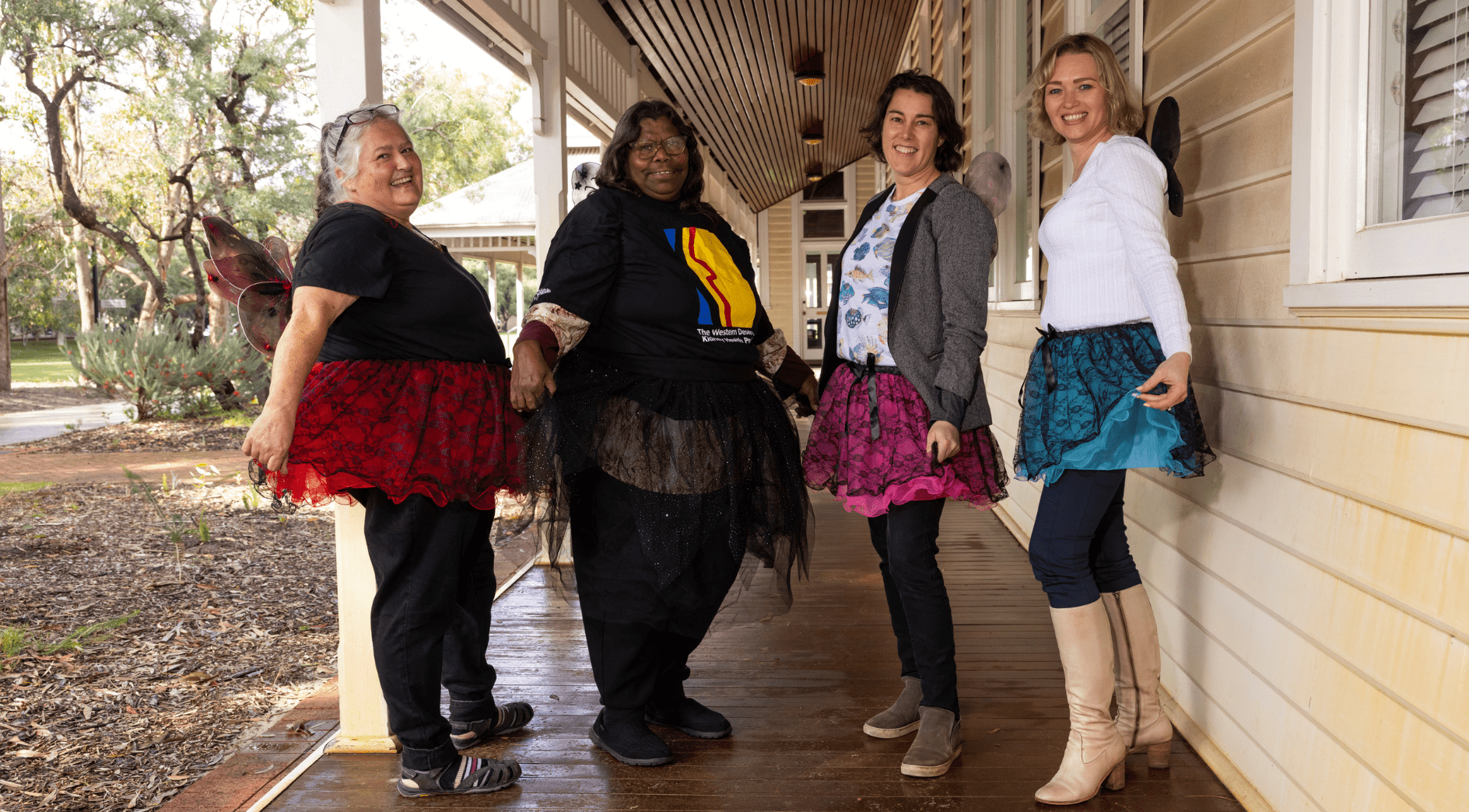
This Australian-first study will simultaneously identify childhood exposure to heavy metals in regional and remote communities and provide these communities with training in drinking water quality, STEM and dental hygiene.