
Search
Showing results for "early lung health"
Given the ongoing mortality and morbidity from GAS infections, we must address more effectively the treatment and prevention of GAS impetigo and pharyngitis
We are conducting a genetic study to better understand why some people are susceptible to RHD and others are not.
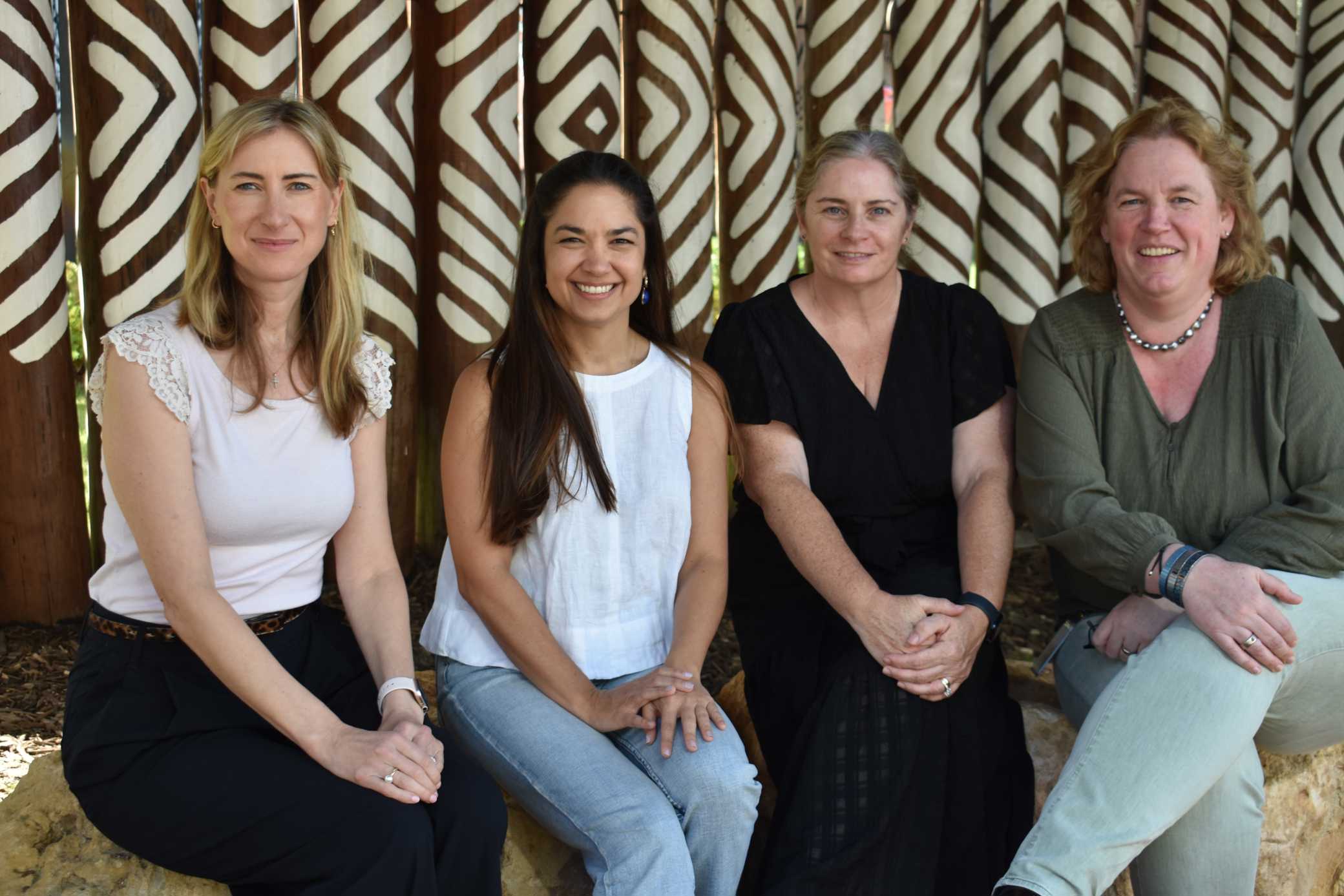
A collaborative study between UWA, Perth Children’s Hospital, The Kids and advocacy and support group Down Syndrome WA, has identified the top priorities, according to patients and carers, for clinical care and research for children with the genetic cond

Mapping when Respiratory Syncytal Virus (RSV) reaches its seasonal peak will assist how future vaccination programs are carried out.
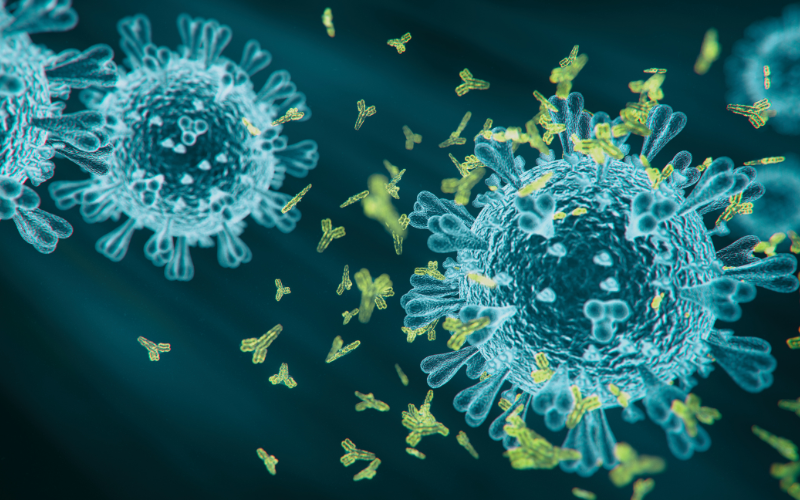
Results of an innovative clinical trial led by Perth researchers have shown that the drug interferon could help reduce the spread of COVID-19 from a positive person to their household contacts, with the study helping to inform treatment options for a future pandemic.
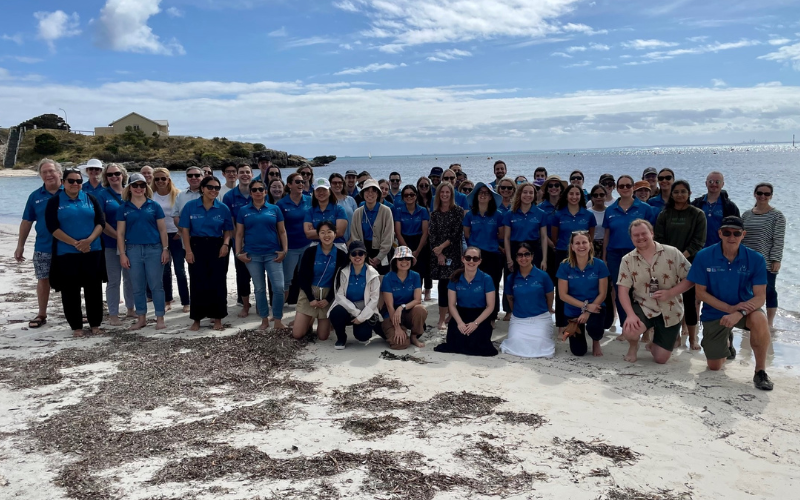
The Wal-yan Respiratory Research Centre's dedicated team members, along with special guests, embarked on a journey to Wadjemup (Rottnest Island) on 9 and 10 November.
Mobile touch screen devices (smartphones and tablet computers) have become an integral part of many parents’ and children’s lives, with this interaction linked to physical, mental and social outcomes. Despite the known importance of parent-child attachment, evidence on the association between device use and attachment was yet to be reviewed.
National Trachoma Surveillance and Reporting Unit to collate, analyse and report trachoma prevalence data and document trachoma control strategies in Australia
findings from the Telethon Institute for Child Health Research that show relatively common stressful events during pregnancy do not have a long term impact
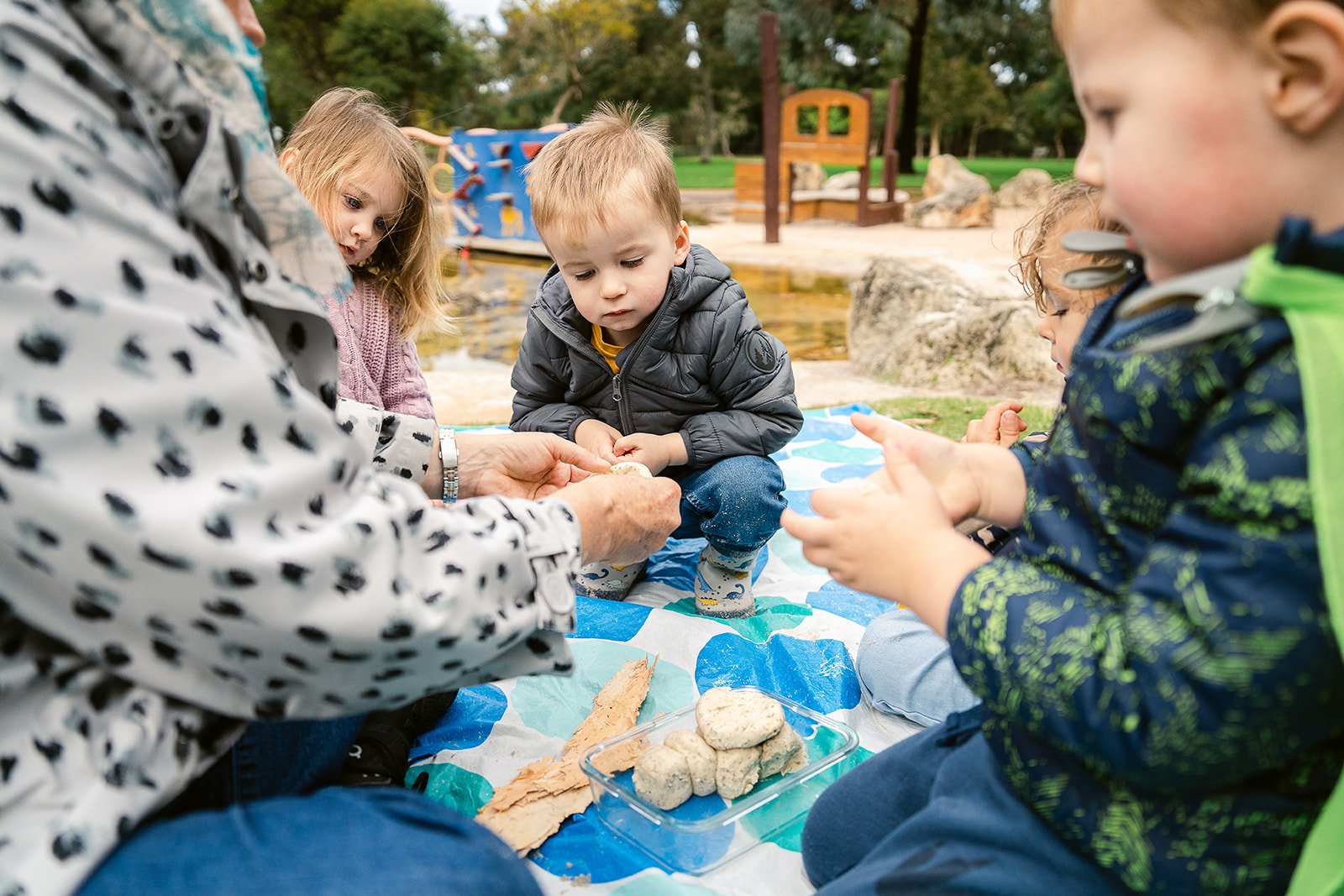
A pilot program, teaching families how to 'play' in nature, has been shown to be effective in helping families unlock the mental and physical health benefits of connecting with nature and community through outdoor play, easily, and locally.