
Search
Showing results for "Childhood interstitial lung disease "
There was a significant improvement in the management of anaphylaxis after the introduction of intensified physician training programs

Two The Kids Research Institute Australia researchers have been awarded prestigious grants from the Raine Medical Research Foundation for projects in childhood cancer and newborn infection control.
We undertook a retrospective review of children diagnosed with acute lymphoblastic leukemia (ALL) and treated with modern COG protocols to determine...
Early first sexual intercourse (FSI) is a risk factor for unplanned abstract teenage pregnancy, sexually transmitted infection, and adverse social, emotional...
The incidence of anaphylaxis is increasing globally in tandem with changing environmental and lifestyle factors. There is very limited data on very early childhood presentations. We aim to assess changes in rates, characteristics and management of infant anaphylaxis in a paediatric ED over a 15-year period.

A new combination of drugs could help to increase survival rates with fewer side effects for some children with one of the most aggressive forms of childhood brain cancer.
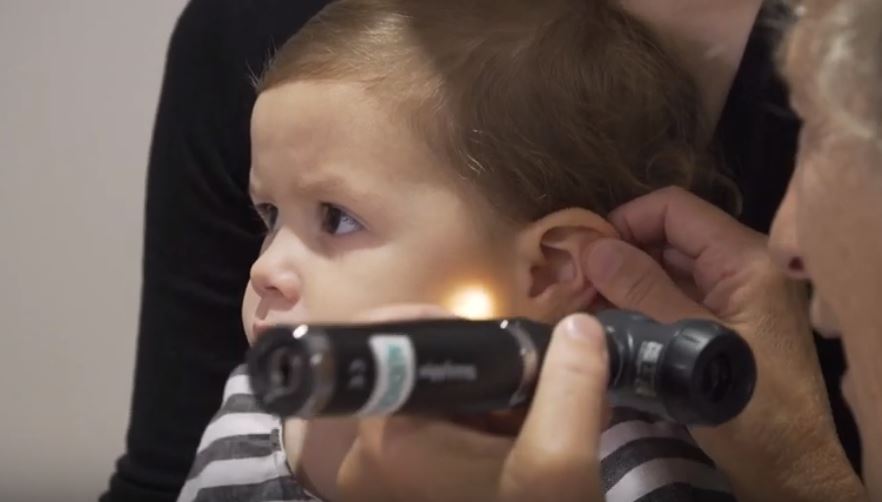
Researchers from The Kids Research Institute Australia have identified the main bacteria responsible for recurrent ear infections and repeat ear surgeries in children.
Sensitive measures of early lung disease are being integrated into therapeutic trials and clinical practice in cystic fibrosis (CF). The impact of early disease surveillance (EDS) using these novel and often intensive techniques on young children and their families is not well researched.
Mycobacteroides abscessus (MABS) is within the non-tuberculous mycobacteria family. It inhabits soil and water, exhibits multi-antibiotic resistance and causes opportunistic lung infections, which may progress to symptomatic MABS-pulmonary disease (MABS-PD) associated with substantial morbidity, increased healthcare utilisation, impaired quality of life and increased mortality.
This document updates the 2005 European Respiratory Society (ERS) and American Thoracic Society (ATS) technical standard for the measurement of lung volumes. The 2005 document integrated the recommendations of an ATS/ERS task force with those from an earlier National Heart, Lung, and Blood Institute workshop that led to the publication of background papers between 1995 and 1999 and a consensus workshop report with more in-depth descriptions and discussion.