
Search
Showing results for "preterm birth lungs"
Over the last decade, there has been growing concern about the possible health effects, including a number of adverse reproductive outcomes, from pesticide...

Honorary Research Associate
Adverse pregnancy outcomes including maternal mortality, stillbirth, preterm birth, intrauterine growth restriction cause millions of deaths each year. More effective interventions are urgently needed. Maternal immunization could be one such intervention protecting the mother and newborn from infection through its pathogen-specific effects.
Up to a third of ex-preterm infants flying near term exhibit pulse oxygen saturation (SpO2) of less than 85% during air travel.

Illuminate PitchFest is back! We are excited to introduce you to 10 trailblazing researchers who will be taking to the stage this February to pitch their bold and bright ideas.
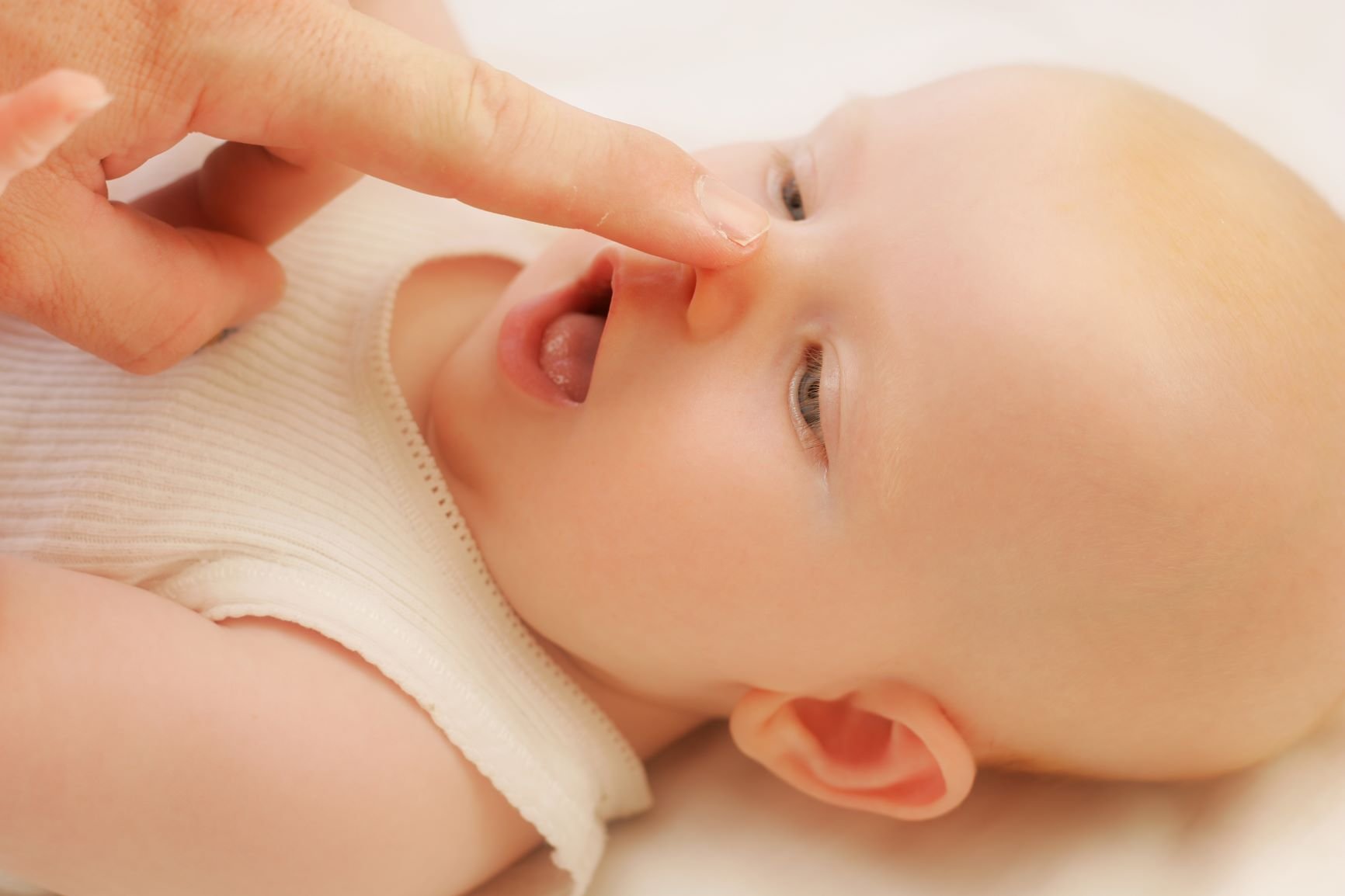
Investigating the possible contributors to childhood lung disease by studying the epithelial cells from the nose at birth.
This tool is designed to help current and future parents and caregivers as well as health care providers. It is currently based on the 2026 Western Australian RSV immunisation program.

Two international trials led by The Kids Research Institute Australia’s Neonatal and Infection Immunity Team are tackling the urgent need for simple and safe interventions that can help prevent the adverse long-term effects of infections in extremely preterm babies.
Accumulating evidence of the role of genetic variation in CP aetiology suggests that individuals with CP should undergo genomic testing as part of their diagnostic workup
The Wal-yan Respiratory Research Centre is made up of multi-disciplinary teams that are committed to improving the lives of children and their families living with respiratory disease.