
Search
Showing results for "Childhood interstitial lung disease "
Summarising the current knowledge of Strep A transmission to humans will address gaps in the evidence and inform prevention and control strategies. The objective of this study is to evaluate the modes of transmission and attack rates of group A streptococcal infection in human populations.
These summary measures can also be used to quantify the component of variation in epidemiology that is related to sociodemographic development.
There is a lack of data on the out-of-hospital burden of acute lower respiratory infections (ALRI) in developed countries.
Rheumatic heart disease, a major cause of morbidity and mortality in low- and middle-income countries, results from acute rheumatic fever (ARF), for which no diagnostic test currently exists. The ARF Diagnosis Collaborative Network (ARC Network) was established to address this gap by recruiting a rigorously phenotyped, globally representative cohort of children and adolescents with ARF and controls to support biomarker discovery.
In the warmer tropical regions of WA no seasonality was observed, but overall incidence of LLC presentations were higher
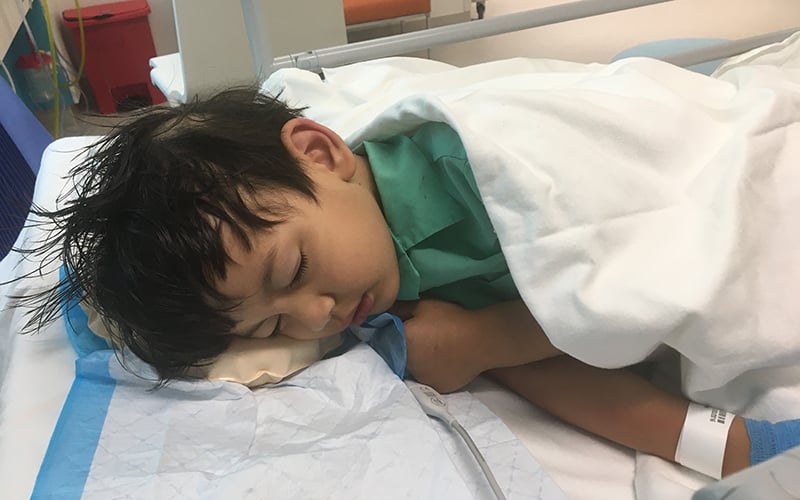
Charlie, 6, has ended up in hospital twice with invasive Strep A infection over his short lifetime – the first time when just three years old.
The Australian Therapeutic Goods Administration approved the use of nirsevimab, a long-acting monoclonal antibody for the prevention of Respiratory Syncytial Virus (RSV), in November 2023. Western Australia (WA) implemented a combination of nirsevimab administration strategies designed to protect all infants starting in April 2024, before the epidemic season. We developed a dynamic transmission model to predict the impact of WA's RSV immunisation program on infant hospitalisations.
The END RHD Communities approach uses community-led, research-backed prevention strategies to tackle Strep A skin and throat infections, acute rheumatic fever and rheumatic heart disease
Asymptomatic carriage of Streptococcus pyogenes (Strep A) may contribute to transmission, yet its role remains poorly understood and evidence on optimal detection methods is limited. While self-collected throat swabs are used in infectious disease surveillance, their value for identifying asymptomatic Strep A carriage in adults is uncertain. This pilot prospective cohort study, conducted at a Perth medical research institute between August and October 2024, assessed feasibility and acceptability of self-collection, with sensitivity as a secondary objective.
In 2022, the World Health Organization extended their guidelines for perennial malaria chemoprevention (PMC) from infants to children up to 24 months old. However, evidence for PMC's public health impact is primarily limited to children under 15 months. Further research is needed to assess the public health impact and cost-effectiveness of PMC, and the added benefit of further age-expansion. We integrated an individual-based model of malaria with pharmacological models of drug action to address these questions for PMC and a proposed age-expanded schedule (referred as PMC+, for children 03-36 months).