
Search
Showing results for "early lung health"
During the COVID-19 pandemic, breastfeeding women have experienced restricted access to support, placing them at increased risk of mental health concerns and limited breastfeeding assistance. This study investigated the effect of the pandemic on feeding choices and maternal wellbeing amongst breastfeeding mothers living in Australian and New Zealand. We conducted a cross-sectional online survey that examined feeding methods, maternal mental wellbeing, worries, challenges, and positive experiences during the pandemic.
This Group A Streptococcus OPKA assay has the potential to provide a robust and reproducible platform to accelerate GAS vaccine development.
Deborah Peter Peter Lehmann Jacoby Richmond AO, MBBS, MSc BA (Hons) MSc MBBS MRCP(UK) FRACP Honorary Emeritus Fellow Biostatistician Head, Vaccine
Vaccines offer the ultimate solution to prevention and reduction of ARF rates; however, research is still at early stages.
Mothers of a child with intellectual disability (ID) have more psychiatric disorders after the birth of their child than other mothers.
This study examined the association between typical parental work hours (including nonemployed parents) and children's behavior in two-parent heterosexual...
Our analysis shows that functioning in activities of daily living was related to post-school day occupation. Current health status and behaviour were found...
We review the Group A Streptococcus Human infection studies and present the study protocol for a dose-ranging inpatient study in healthy adults
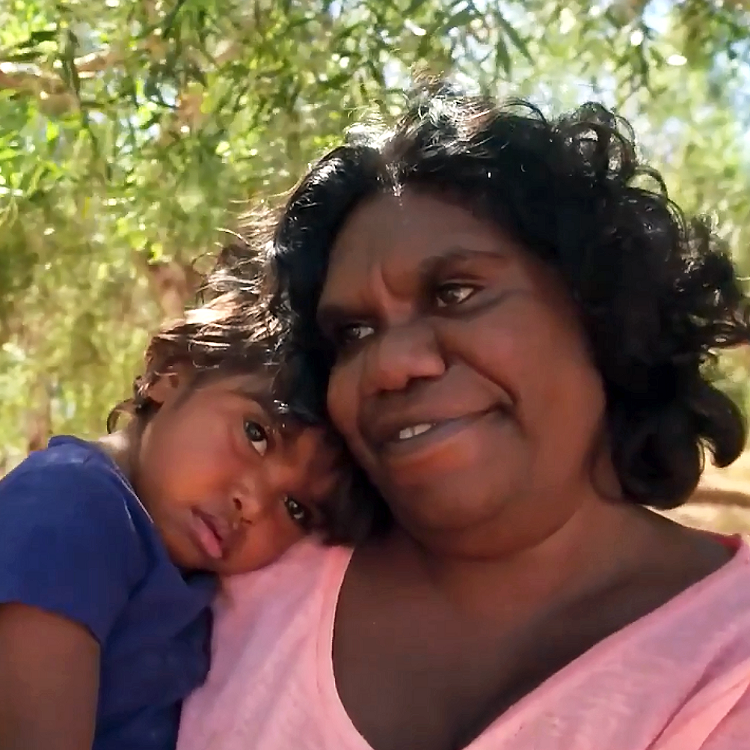
To mark International FASD Awareness Day, The Kids will launch a series of health promotion videos that feature local Aboriginal community members.
Sibling profiles, including sibling status (only-child or sibling) and sibling characteristics (sibling size, birth order, and sex), can impact on lived experiences and social interactions, and operate as protective or risk factors for a wide range of health and well-being indicators and outcomes. Using population-based data linkage to disability-specific databases, sibling profiles were compared between families of children with and without neurodevelopmental conditions.