
Search
Showing results for "mental health aboriginal"
Treatment of chronic suppurative otitis media with topical antibiotics probably results in an increase in resolution of ear discharge compared with boric acid
We are uncertain about the effectiveness of topical antibiotics in improving resolution of ear discharge in patients with chronic suppurative otitis media
The majority of staff and machine learning models were not more accurate than suggested by chance
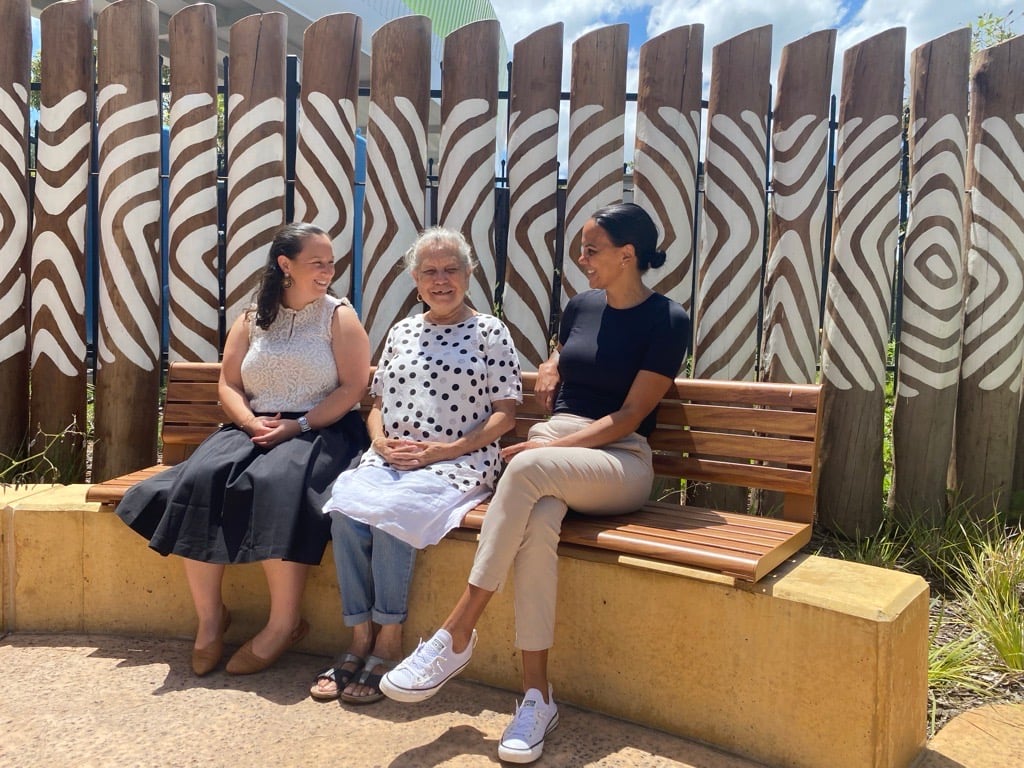
A first of its kind research program at The Kids Research Institute Australia aims to develop new strategies to better treat First Nations children with cancer.
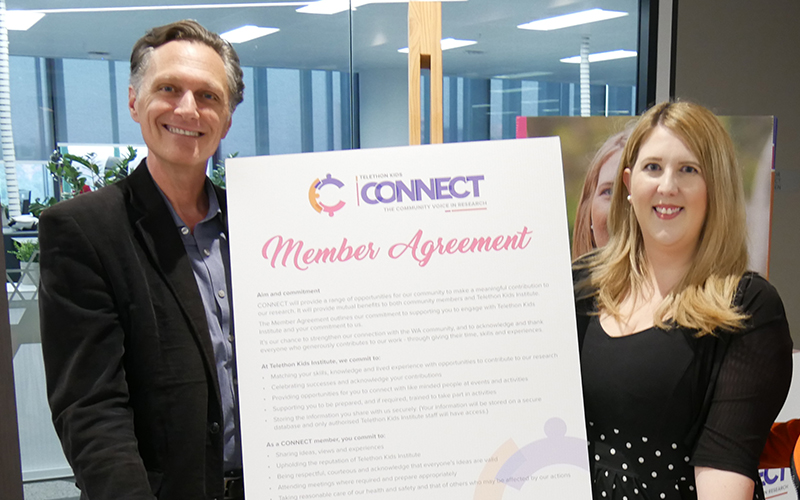
At The Kids Research Institute Australia, we’ve always known what a fantastic community we have around us.
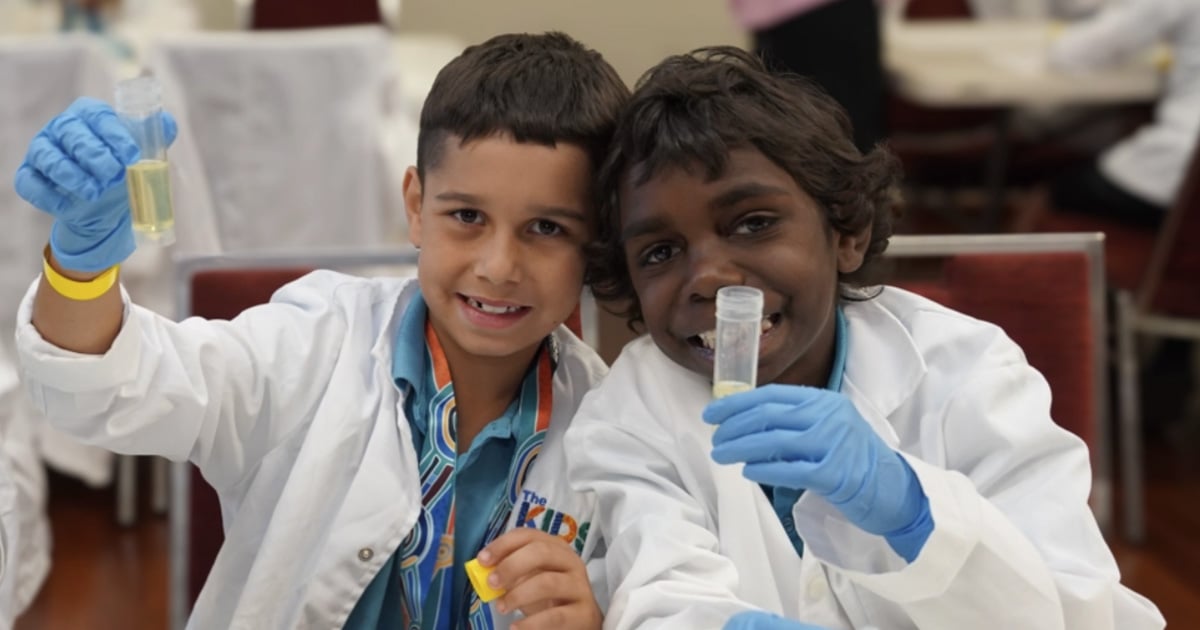
The Broome Civic Centre recently turned into a buzzing hub of discovery as The Kids Research Institute Australia proudly presented the 2025 Broome STEM Festival.

View a collection of published research from The Early Start Screen Smart Program.
At The Kids, every element that enables or facilitates researchers to focus on their important work, is part of the shared 'research platform'. Learn more.

New collaborative research involving almost 600,000 pregnant mothers has demonstrated a dramatic increase in uptake of the whooping cough (pertussis) vaccine after identifying just 22 per cent of WA women had the maternal vaccination between 2012 – 2017.
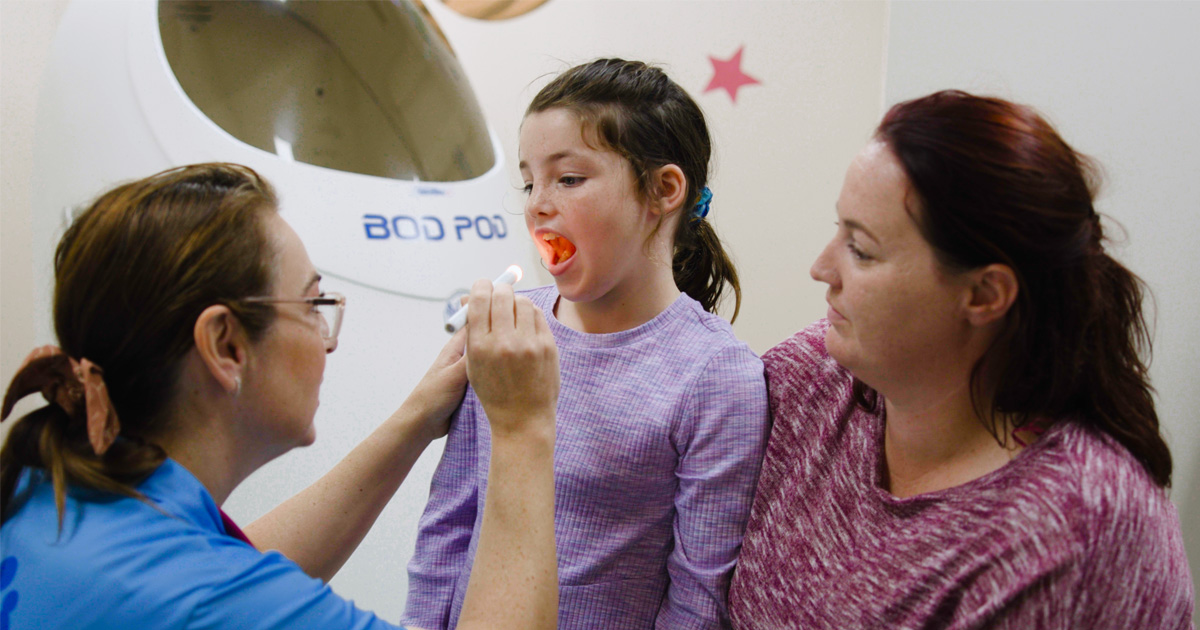
A substantial funding boost from the Stan Perron Charitable Foundation will help to further extend one of Australia’s biggest longitudinal child health research studies centred around families from the Joondalup and Wanneroo communities.