
Search
Showing results for "early lung health"
The provision of timely, effective, and socially valid non-pharmacological intervention is at the core of efforts to support the development of young autistic children. These efforts are intended to support children to develop skills, empower their caregivers, and lay the foundation for optimal choice, independence, and quality of life into adulthood.
Initial evaluation suggests that QI-Disability is a reliable and valid measure of quality of life across the spectrum of intellectual disability
Currently, DNA methylation is the most studied epigenetic phenomenon in large populations
Communication impairments are a leading concern for parent caregivers of individuals with rare neurodevelopmental disorders. Clinical trials of disease modifying therapies require valid and responsive outcome measures that are relevant to individuals with RNDDs. Identifying and evaluating current psychometric properties for communication measures is a critical step towards the selection and use of appropriate instruments.
CDKL5 Deficiency Disorder (CDD) is a severe X-linked developmental and epileptic encephalopathy. Existing developmental outcome measures have floor effects and cannot capture incremental changes in symptoms. We modified the caregiver portion of a CDD clinical severity assessment (CCSA) and assessed content and response-process validity.
Prior to the coronavirus disease-19 pandemic, the germicidal effects of visible light were well known. This review provides an overview of new findings that suggest there are direct inactivating effects of visible light - particularly blue wavelengths on exposed severe acute respiratory syndrome coronavirus 2 virions, and inhibitory effects on viral replication in infected cells. These findings complement emerging evidence that there may be clinical benefits of orally administered blue light for limiting the severity of COVID-19.
Children far in advance of pubertal development may be deferred from further assessment for gender-affirming medical treatment until nearer puberty. It is vital that returning peripubertal patients are seen promptly to ensure time-sensitive assessment and provision of puberty suppression treatment where appropriate.

Applications are now open for our 2024 Seed Funding grants.
Disability in adults with low back pain (LBP) is associated with negative back pain beliefs (BPBs).
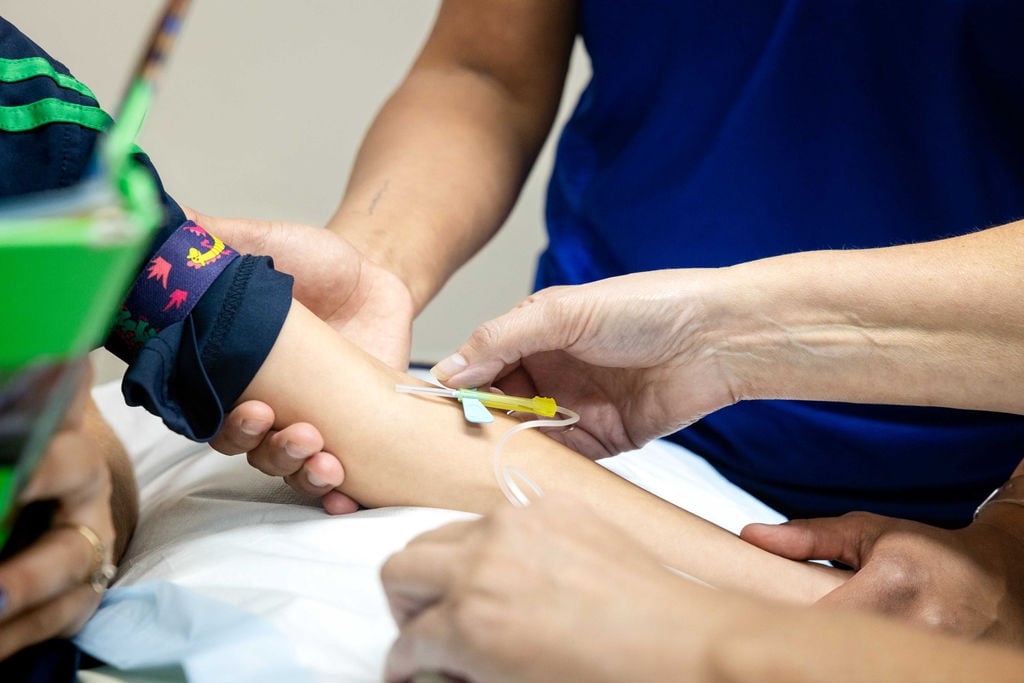
This sub-project hopes to determine the effectiveness of blood polyamine levels as a marker for both diagnosis and prognosis of neuroblastoma patients.