
Search
Showing results for "mental health aboriginal"
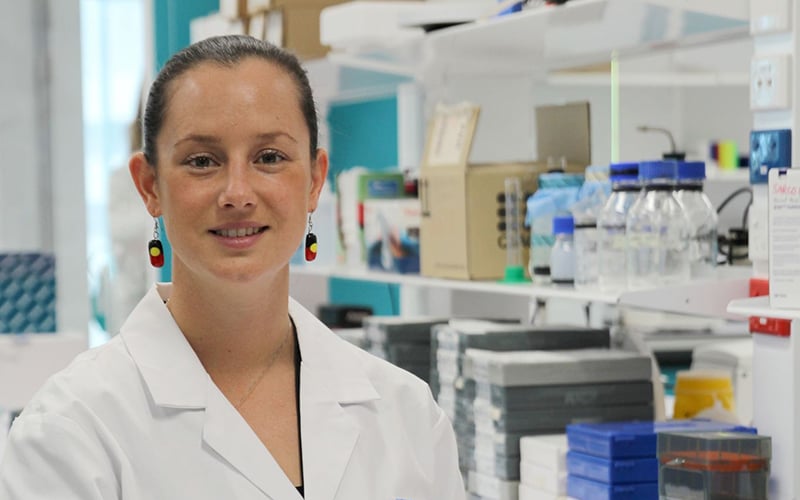
The Kids Research Institute Australia brain cancer researcher, Dr Jessica Buck will today join the ranks of a select group of brilliant female scientists.
Controlled human infection (CHI) models can provide insights into transmission of pathogens such as Streptococcus pyogenes (Strep A). As part of the Controlled Human Infection with Penicillin for Streptococcus pyogenes (CHIPS) trial, we explored the potential for transmission among participants deliberately infected with the Strep A emm75 strain.

We’ve linked some helpful resources to assist you in your journey to healthy screen time habits in and outside of your household.

Nine researchers from The Kids Research Institute Australia have secured vital support through the WA Near Miss Awards, allowing them to continue innovative health projects that narrowly missed out on national funding.
In school-aged children with cystic fibrosis (CF) structural lung damage assessed using chest CT is associated with abnormal ventilation distribution.
The monoclonal antibody, palivizumab is licensed for use in high-risk infants to prevent severe illness caused by respiratory syncytial virus (RSV). The level of its use and compliance with current jurisdictional guidelines which were amended in 2010, is unknown.
Our findings provide new insight into the molecular mechanisms operative at baseline in the airway mucosa in atopic asthmatic with natural aeroallergen exposure
Chest CT identifies children at an early age who have adverse long-term outcomes
Palivizumab appeared effective for reducing virologically confirmed respiratory syncytial virus in this high-risk cohort
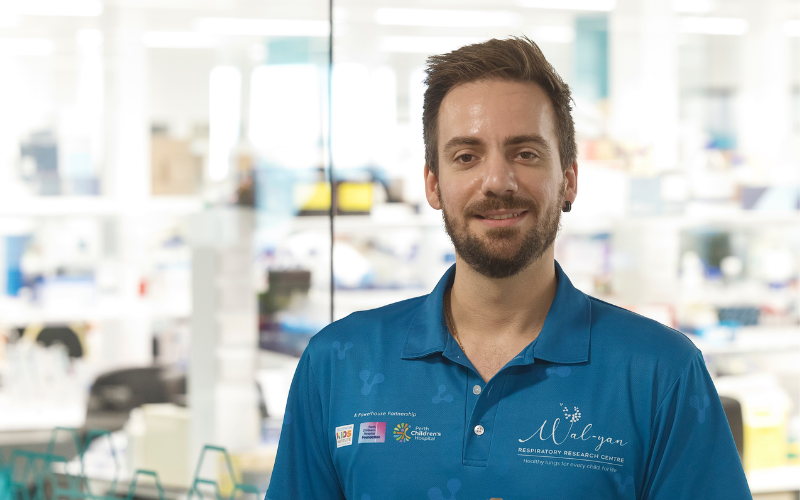
As the Wal-yan Respiratory Research Centre turns three, we celebrate our achievements, and say thank you to our amazing community.