
Search
Showing results for "lung disease preterm"
Systems biology and innovative data integration can provide fresh insights into the molecular ontogeny of the first week of life
A more robust immune response after booster compared to a first dose in vaccine-naïve individuals, showed effective priming in an adolescent/young adult population
Children of East Asian ancestry born in Australia have a higher burden of most allergic diseases in the first 6 years of life, whereas asthma may follow a different pattern
The prevalence of IgE binding to the group 15 and 18 house dust mite (HDM) allergens of the Dermatophagoides species...
Vaccines including conserved antigens from Streptococcus pneumoniae & nontypeable Haemophilus influenzae have the potential to reduce of otitis media.
Direct UV irradiation of dendritic cells and Langerhans cells reduces their Ag presenting ability. However, the effects of UV on CD11c(+) cells located...
Australia's defence, infectious diseases
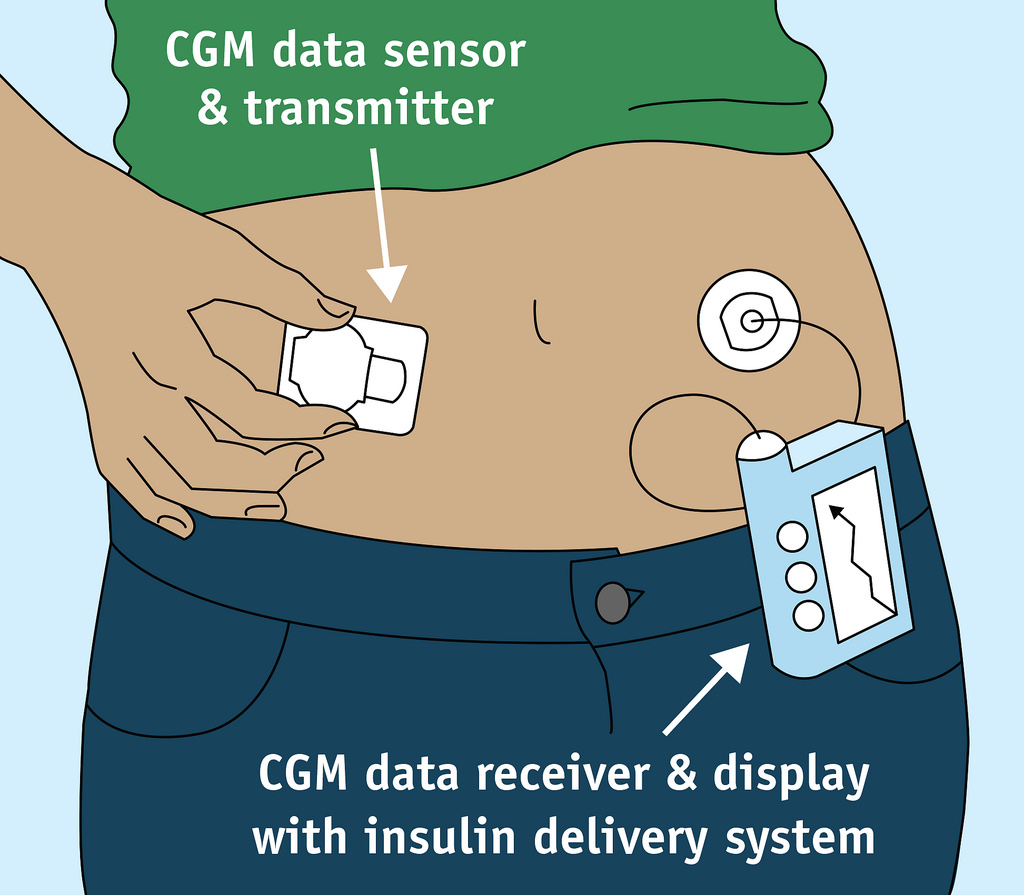
A Closed-Loop System will potentially have a major impact upon acute and chronic complications of diabetes as well as upon their quality of life.

It was during a time of grief that John Mearns was inspired to make a difference.
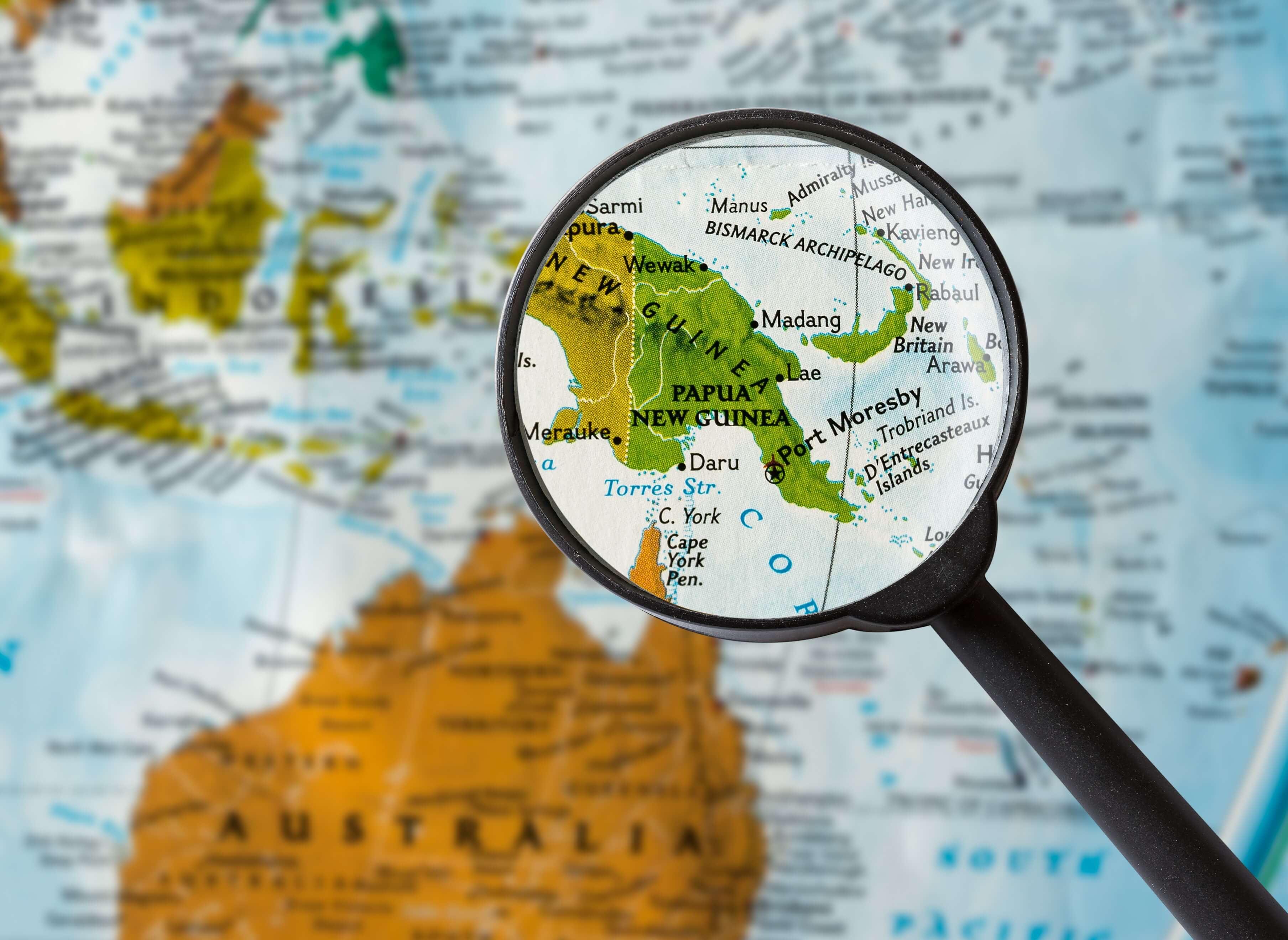
Thousands of children born in Papua New Guinea (PNG) no longer face a future cut short by severe pneumonia, thanks to the introduction of pneumococcal vaccination as part of the country’s National Immunisation Program.