
Search
Showing results for "8"
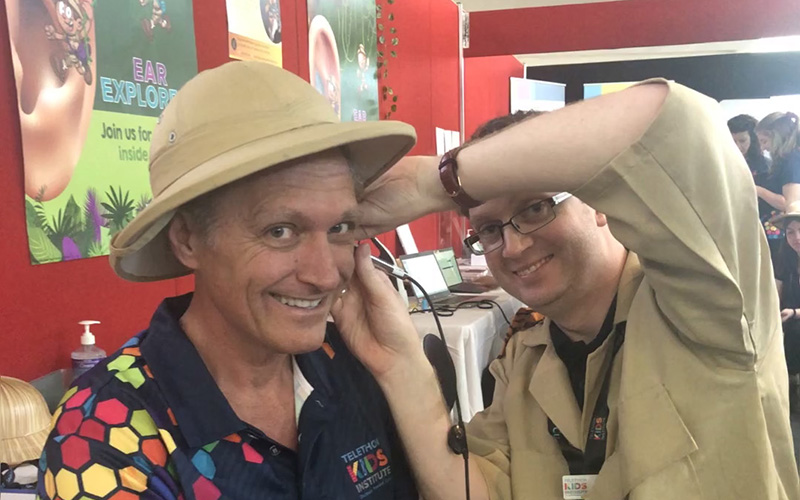
Findings from The Kids Research Institute Australia’s ‘Ear Explorers’ real-life research project undertaken as part of the 2019 Telethon weekend, found short videos were more helpful than photos when making a diagnosis.
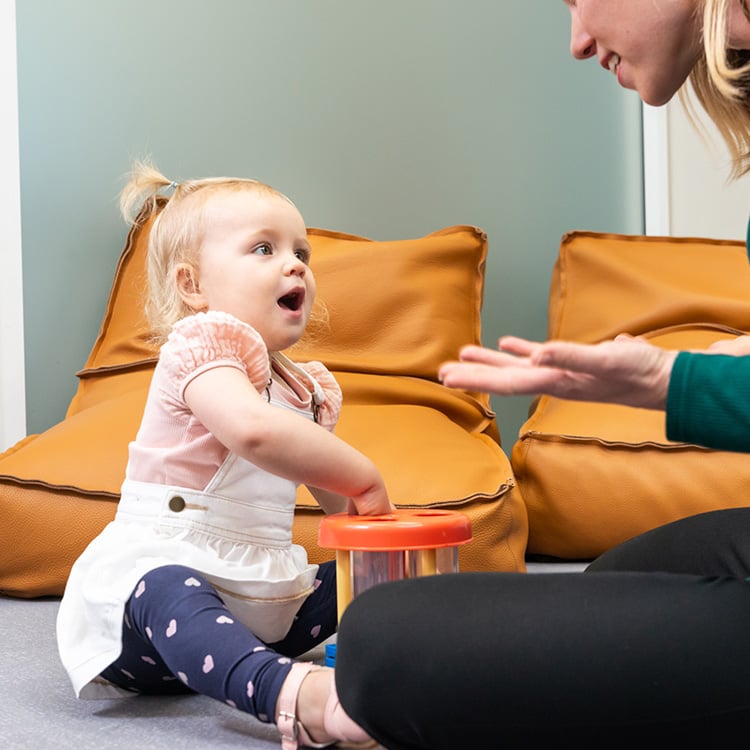
Find out about the range of Focused Therapy programs on offer at CliniKids.
This study explored mental health profiles in Australian school students using indicators of well-being (i.e., optimism, life satisfaction, and happiness) and psychological distress (i.e., sadness and worries). The sample included 75,757 students (ages 8-18 years) who completed the 2019 South Australian Wellbeing and Engagement Collection.
IL8RA and IL8RB, encoded by CXCR1 and CXCR2, are receptors for interleukin (IL)-8 and other CXC chemokines involved in chemotaxis and activation of...
Wellbeing and mental health are fundamental rights of children and adolescents essential for sustainable development. Understanding the epidemiology of child and adolescent wellbeing is essential to informing population health approaches to improving wellbeing and preventing mental illness.
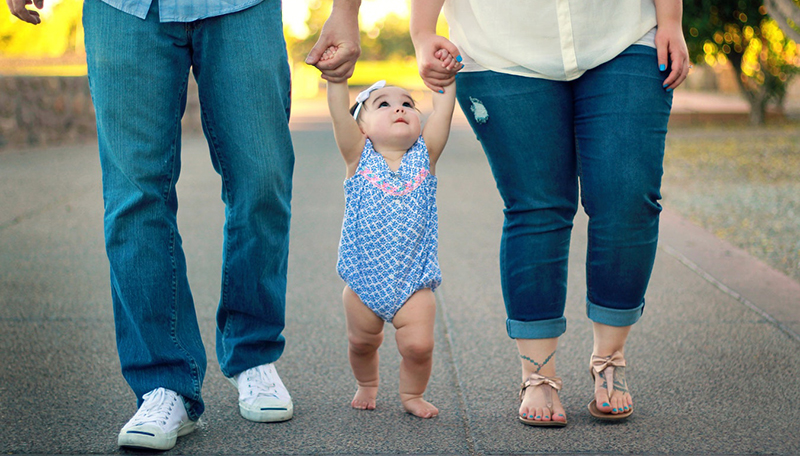
Paediatrician and researcher Dr Lana Bell shares some important milestones for social development to look out for in the first year of life.
New suburban communities built in accordance with the “Liveable Neighbourhoods” policy have the potential to encourage health supportive behaviors
Pneumococcal nasopharyngeal carriage prevalence and density were higher in infants delivered vaginally compared with those delivered by cesarean birth
This research focuses on three questions 1) What are the patterns of stability & change; 2) what are the predictors of this progression, and; 3) what is the...

How can your organisation help improve the lives of children?