
Search
Showing results for "early lung health"
Children far in advance of pubertal development may be deferred from further assessment for gender-affirming medical treatment until nearer puberty. It is vital that returning peripubertal patients are seen promptly to ensure time-sensitive assessment and provision of puberty suppression treatment where appropriate.
CDKL5 Deficiency Disorder (CDD) is a severe X-linked developmental and epileptic encephalopathy. Existing developmental outcome measures have floor effects and cannot capture incremental changes in symptoms. We modified the caregiver portion of a CDD clinical severity assessment (CCSA) and assessed content and response-process validity.
Prior to the coronavirus disease-19 pandemic, the germicidal effects of visible light were well known. This review provides an overview of new findings that suggest there are direct inactivating effects of visible light - particularly blue wavelengths on exposed severe acute respiratory syndrome coronavirus 2 virions, and inhibitory effects on viral replication in infected cells. These findings complement emerging evidence that there may be clinical benefits of orally administered blue light for limiting the severity of COVID-19.
Initial evaluation suggests that QI-Disability is a reliable and valid measure of quality of life across the spectrum of intellectual disability
Type-2 diabetes is a leading cause of death and disability. Emerging evidence suggests that ultraviolet radiation or sun exposure may limit its development. We used freely available online datasets to evaluate the associations between solar radiation and type-2 diabetes prevalence across Australia.

Applications are now open for our 2024 Seed Funding grants.
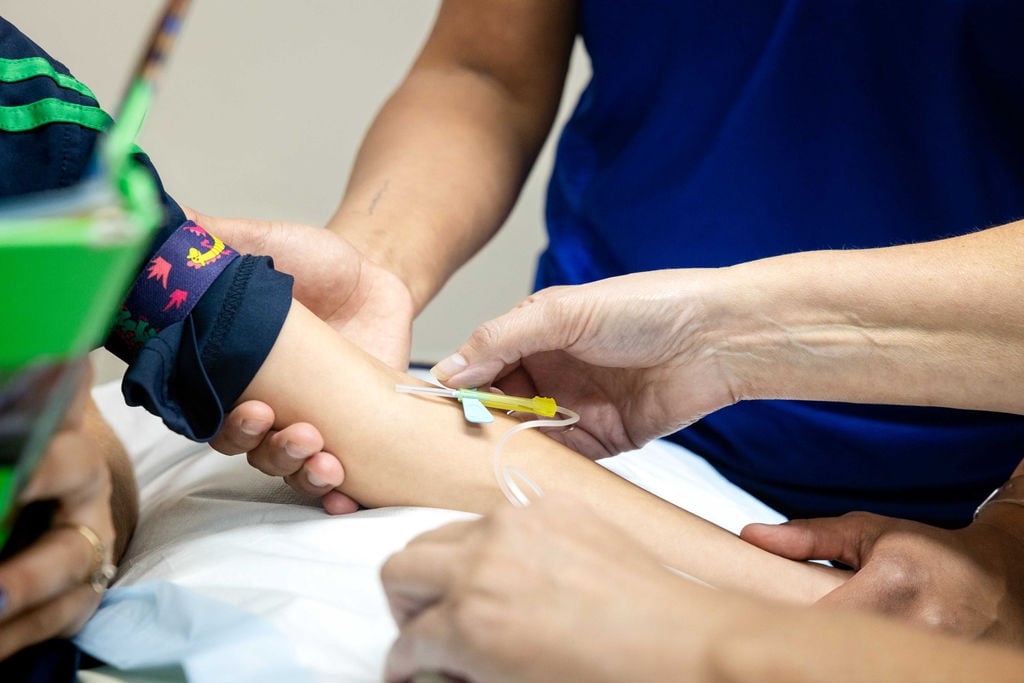
This sub-project hopes to determine the effectiveness of blood polyamine levels as a marker for both diagnosis and prognosis of neuroblastoma patients.
Maternal immune activation and prenatal maternal stress are well-studied risk factors for psychiatric conditions such as autism and schizophrenia. Animal studies have proposed the gut microbiome as a mechanism underlying this association and have found that risk factor-related gut microbiome alterations persist in the adult offspring.
Many children with intellectual disability live with medical comorbidities. This study examined the impacts of comorbidities on quality of life (QOL) of children with intellectual disabilities and whether impacts varied with caregiver perceptions that medical needs had been met.
Cognitive theories contend that attentional bias to negative information contributes to elevated trait anxiety. However, research in this area has been hindered by the lack of a standardized assessment task that demonstrates the required qualities, including strong internal consistency and ecological validity. The present study aimed to develop and validate the Talking Heads Attentional Bias Assessment Task, an easy-to-implement measure that overcomes the limitations of previous attentional bias assessment tasks.