
Search
Showing results for "mental health aboriginal"
The experiences of 32 male Aboriginal students from regional and remote towns and communities while they attended a metropolitan boarding school...
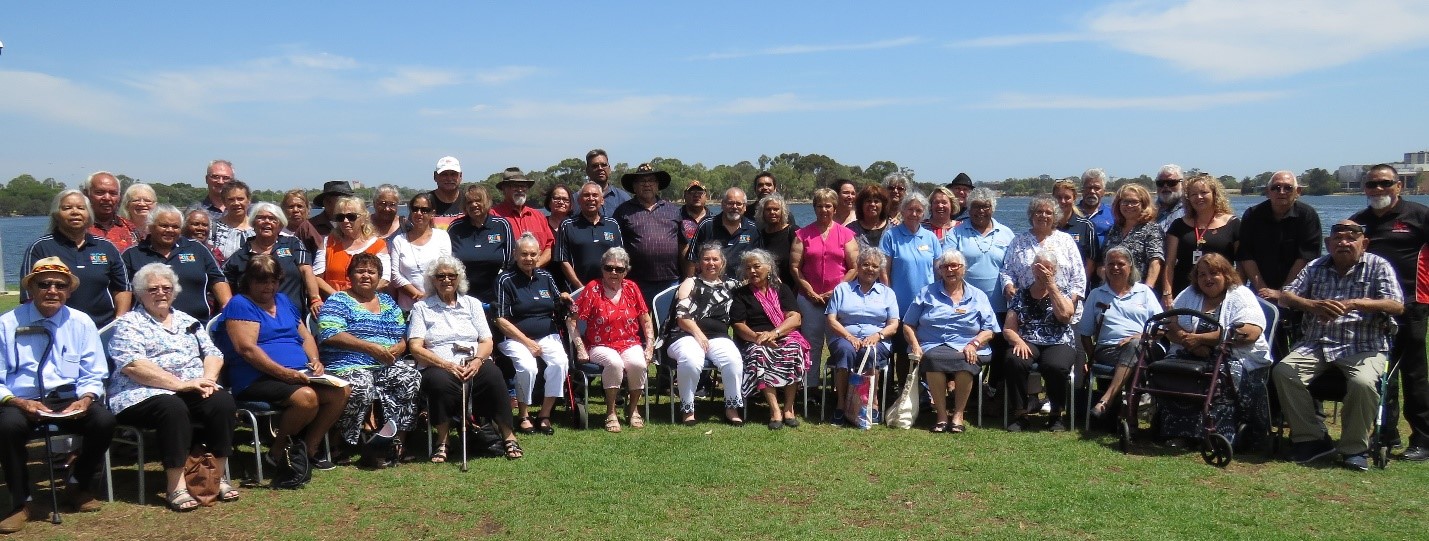
The third Big Elders meeting/gathering was held on the 26th of February 2019 at Burswood on Swan.
HIV, tuberculosis (TB) and malaria are the three most important infectious diseases in Ethiopia, and sub-Saharan Africa. Understanding the spatial codistribution of these diseases is critical for designing geographically targeted and integrated disease control programmes. This study investigated the spatial overlap and drivers of HIV, TB and malaria prevalence in Ethiopia.

This research domain focuses on understanding how early biological and physical factors shape infant growth, body composition, and neurodevelopment from the earliest stages of life.
Intervention for individuals with autism spectrum disorder (ASD) typically commences after diagnosis. No trial of an intervention administered to infants before diagnosis has shown an effect on diagnostic outcomes to date.
Selective serotonin reuptake inhibitors (SSRIs) are commonly prescribed to manage anxiety in adults with an autism diagnosis. However, their effectiveness and adverse effect profile in the autistic population are not well known. This trial aims to determine the effectiveness and cost-effectiveness of the SSRI sertraline in reducing symptoms of anxiety and improving quality of life in adults with a diagnosis of autism compared with placebo and to quantify any adverse effects.

Western Australia has been highly successful at containing community spread of COVID-19 to date.

STress biOmaRKers in pregnant women
Young children diagnosed with autism experience high rates of co-occurring anxiety, with uncertainty-related concerns commonly reported. This randomized controlled trial investigated an 8-week parent-mediated group anxiety intervention, “Coping with Uncertainty in Everyday Situations” (CUES-Junior©).

The FASD Research Australia Centre of Research Excellence (CRE) has substantially built the evidence base around FASD and had a significant impact on advocacy, policy and practice.