
Search
Showing results for "aboriginal respiratory"
Amy Penelope Yael Finlay-Jones Strauss Perry BPsych(Hons), MPsych(Clinical), MHealthEcon, PhD (Clin Psych) BA, MPH, PhD BPsych (Hons) MPsych (Clin)
The Kids Research Institute Australia researchers will have continued access to the latest equipment to support and enable their important research, thanks to Maia Financial.
Antimicrobial resistance is a global health crisis, which has accelerated due to the overuse of antibiotics.
This project aims to visually map the journeys and experiences of LGBTQA+ young people in Australia with lived experience of accessing mental health support through formal healthcare, youth and community services, and informal networks of care.
Penelope Yael Jacinta Strauss Perry Freeman BA, MPH, PhD BPsych (Hons) MPsych (Clin) PhD BScs, MPH Research Fellow in Youth Suicide Prevention Head,
Some studies indicate siblings of transgender (trans) and gender diverse young people often experience negative mental health impacts such as anxiety and depression due to complicated familial, individual and social factors associated with having a trans sibling.
Yael Penelope Helen Holly Perry Strauss Morgan Moss BPsych (Hons) MPsych (Clin) PhD BA, MPH, PhD BA (Hons), Doctor of Psychology BEd Head, Youth
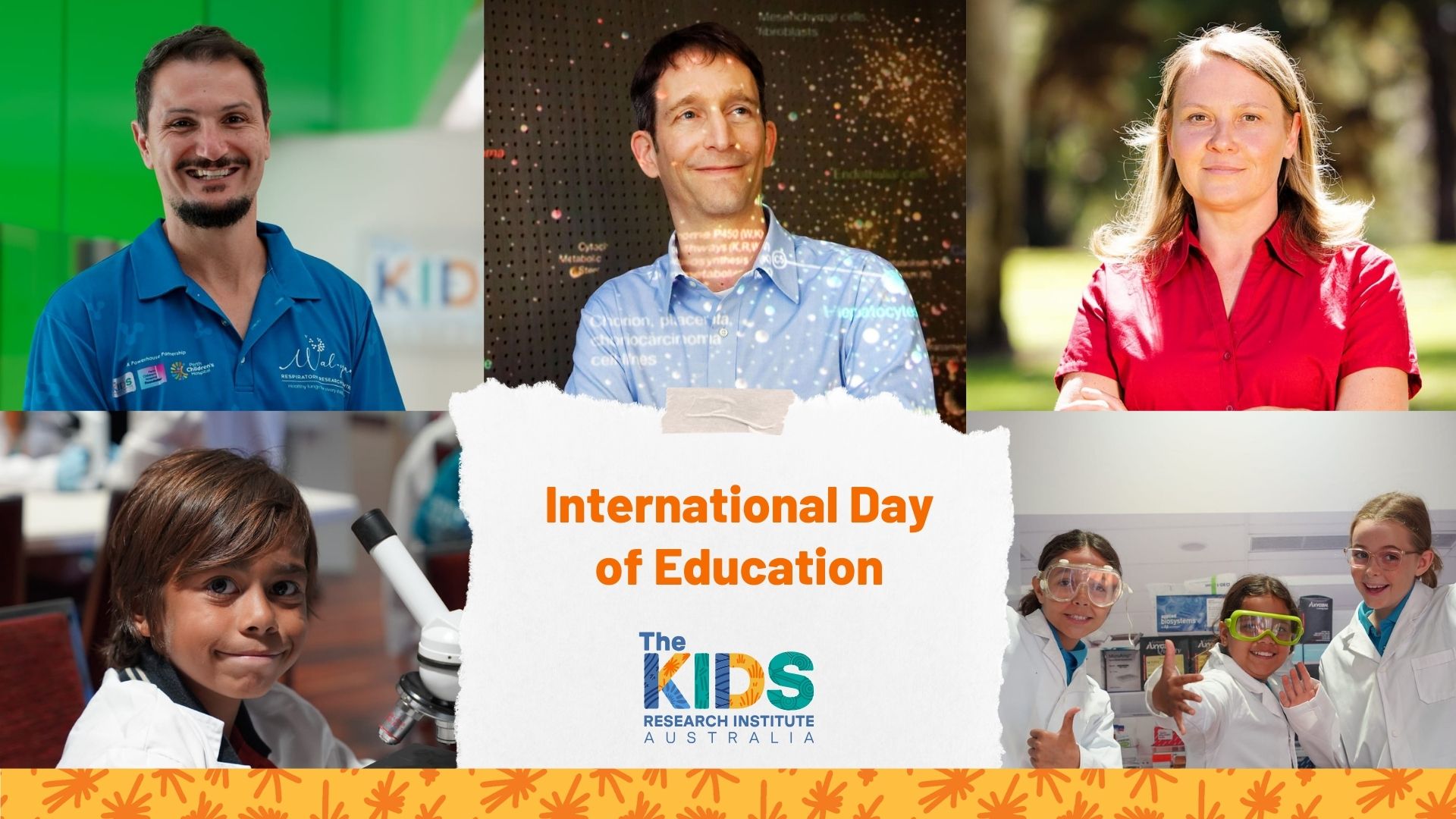
Today, 24 January 2025, is International Day of Education, a global celebration of the power of learning to transform lives. This year’s theme, “AI and Education: Preserving Human Agency in an Automated World”, underscores the critical role of education in preparing kids for a future increasingly shaped by AI.
Trans youth are at high risk of mental health difficulties and negative life events. Strong parental support is highly protective however there is little understanding of what factors facilitate the process of parental understanding and acceptance of a child’s gender identity.
The COVID-19 pandemic has impacted new mothers’ wellbeing and breastfeeding experience. Women have experienced changes in birth and postnatal care and restricted access to their support network. It is unclear how these impacts may have changed over time with shifting rates of infection and policies restricting movement and access to services in Australia and New Zealand.