
Search
Showing results for "lung disease preterm"
This study assessed the efficacy of seasonal IIV3s against influenza due to 2008 and 2009 seasonal influenza strains and against the 2009 pandemic H1N1 strain
Maternal n-3 LCPUFA supplementation did not provide sustained effects on postnatal oxidative stress and telomere length as observed in the offspring
This study demonstrates the potential use of plasma metabolites to identify causality in children with severe febrile illness in malaria-endemic settings
This review provides an update on the current status of Group A Streptococcus vaccine development, & describes global efforts to accelerate the development...

Professor Ryan Lister and Associate Professor Timo Lassmann are celebrating their success in being awarded $6M in the Medical Research Future Fund 2026 National Critical Research Infrastructure (MRFF NCRI) scheme.

Research to eliminate one of the world’s deadliest diseases – malaria – will be accelerated thanks to a USD $4.7 million grant from the Gates Foundation for scientists at The Kids Research Institute Australia and The University of Western Australia (UWA).
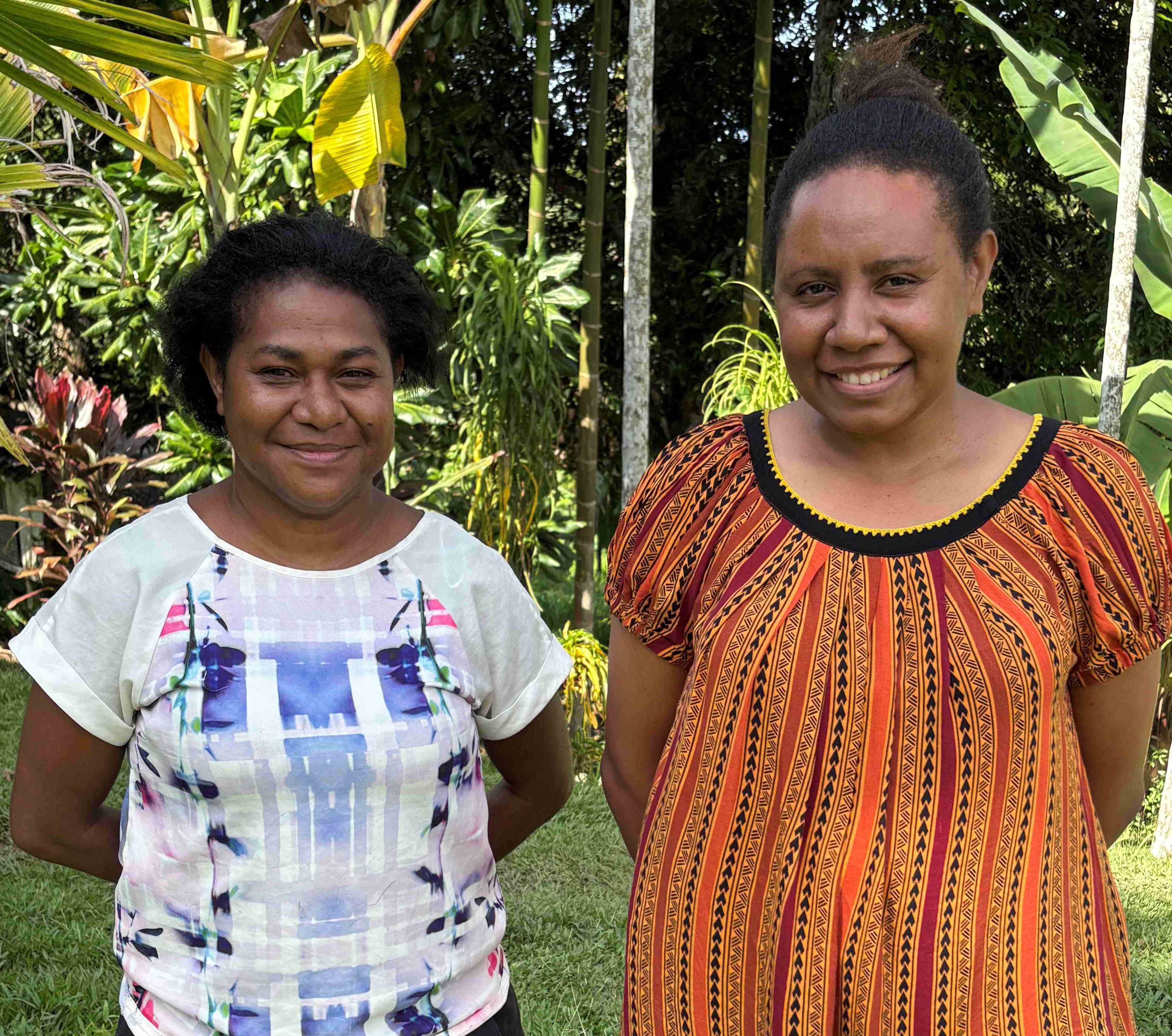
Two infectious disease researchers from Papua New Guinea (PNG) dedicated to reducing rates of childhood mortality in their home country are making significant advances thanks to support from the Deborah Lehmann Research Award (DLRA).
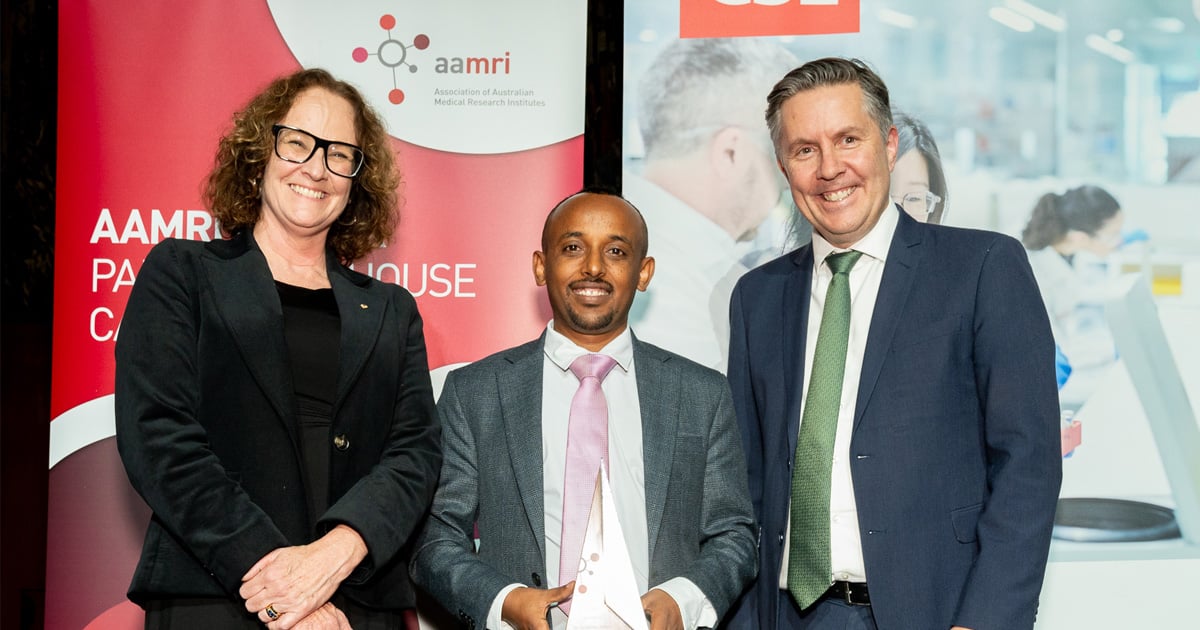
Dr Kefyalew Alene, who heads the Geospatial and Tuberculosis team at The Kids and is a senior research fellow within the Curtin School of Population Health, has used cutting edge technology to transform the way TB transmission is predicted, understood and managed globally.

Congratulations to four outstanding The Kids Research Institute Australia researchers who have received funding designed to support researchers who have narrowly missed out on highly competitive national funding.

A national alliance of the brightest minds in genomic science, academia, policy makers, industry and Indigenous leaders will work to break down barriers to ensure Aboriginal and Torres Strait Islander people can benefit from advances in genomic medicine if they choose.