
Search
Showing results for "mental health aboriginal"
Intervention for individuals with autism spectrum disorder (ASD) typically commences after diagnosis. No trial of an intervention administered to infants before diagnosis has shown an effect on diagnostic outcomes to date.

Western Australia has been highly successful at containing community spread of COVID-19 to date.
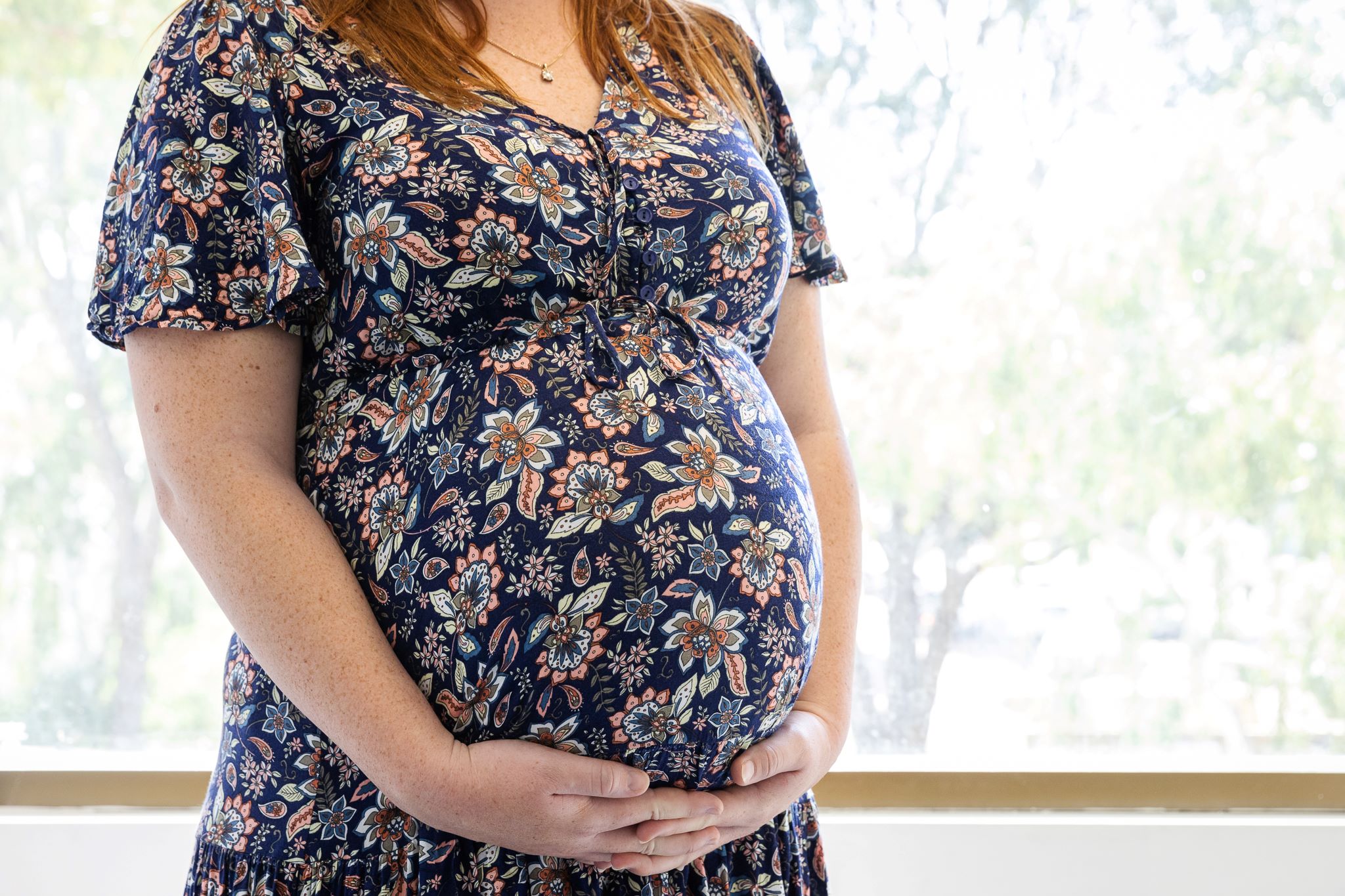
STress biOmaRKers in pregnant women
Lung function trajectories are impaired in survivors of very preterm birth

Sports coaches across Australia can now access WA-designed sport resources, which aim to help coaches better understand type 1 diabetes (T1D) and encourage children living with the condition to stay in sport.
The aim of the present study was to compare scale and conditional reliability derived from item response theory analyses among the most commonly used, as well as several newly developed, observation, interview, and parent-report autism instruments.
Circumscribed interests encompass a range of different interests and related behaviors that can be characterized by either a high intensity but otherwise usual topic [referred to as restricted interests] or by a focus on topics that are not salient outside of autism [referred to as unusual interests].
Clinical utility of home polysomnography in children with neuromuscular disorders is limited by lack of evidence that sleep-disordered breathing can be reliably identified and inability to diagnose hypoventilation because carbon dioxide is not measured.
This study examined whether parent-reported atypical development in their child's first year was associated with age of diagnosis and age when parents first needed to consult a specialist about their child's development.
Sleep problems occur in up to 20%-45% of adolescents. This systematic review and meta-analysis examined the effectiveness of digital sleep interventions, based on cognitive behavioural therapy for insomnia, for adolescents with insomnia symptoms. The objective was to synthesise and quantify, through meta-analyses, changes in sleep following completion of a digital sleep-based intervention.