
Search
Showing results for "Childhood interstitial lung disease "
Urban population growth in Nigeria may exceed the availability of affordable housing and basic services, resulting in living conditions conducive to vector breeding and heterogeneous malaria transmission. Understanding the link between community-level factors and urban malaria transmission informs targeted interventions.
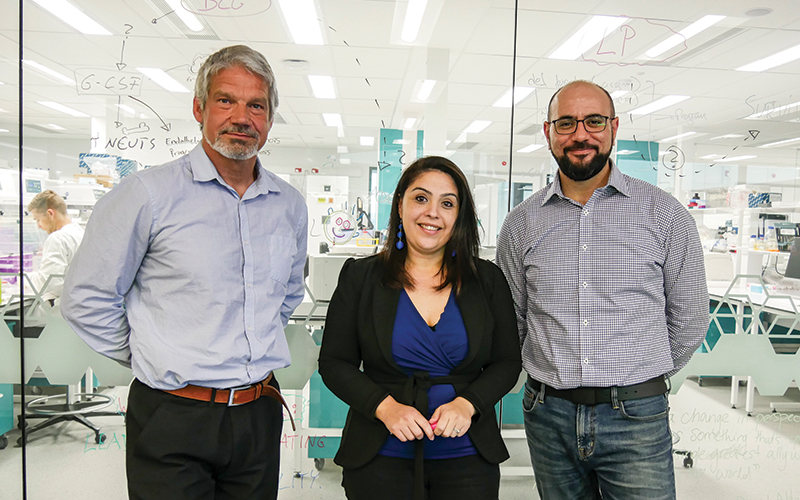
Running any research project is a feat of logistical gymnastics – and often, you don’t know what can go wrong until it happens.
Hereditary pancreatitis causes severe early-onset pain and hospitalisation. In 15 Australian patients undergoing total pancreatectomy and islet auto transplantation (TPIAT), we observed a marked reduction in hospital admissions, inpatient days and emergency visits, complete analgesic cessation by 24 months and durable insulin independence in nearly half of the patients. These findings highlight TPIAT's potential to improve quality of life and reduce healthcare burden. Our programme aims to build evidence to support public funding and ensure equitable access to this procedure.
Dementia is a health priority for Indigenous peoples. Here, we reviewed studies on the prevalence of dementia or cognitive impairment among Indigenous populations from countries with a very high Human Development Index (≥0·8). Quality was assessed using the Joanna Briggs Institute risk-of-bias tool and CONSolIDated critERia for strengthening the reporting of health research involving Indigenous peoples (CONSIDER), with oversight provided by an Indigenous Advisory Board.

Focusing on the developmental trajectories of respiratory health includes developing strategies to improve and support immune system function and development over the life course.
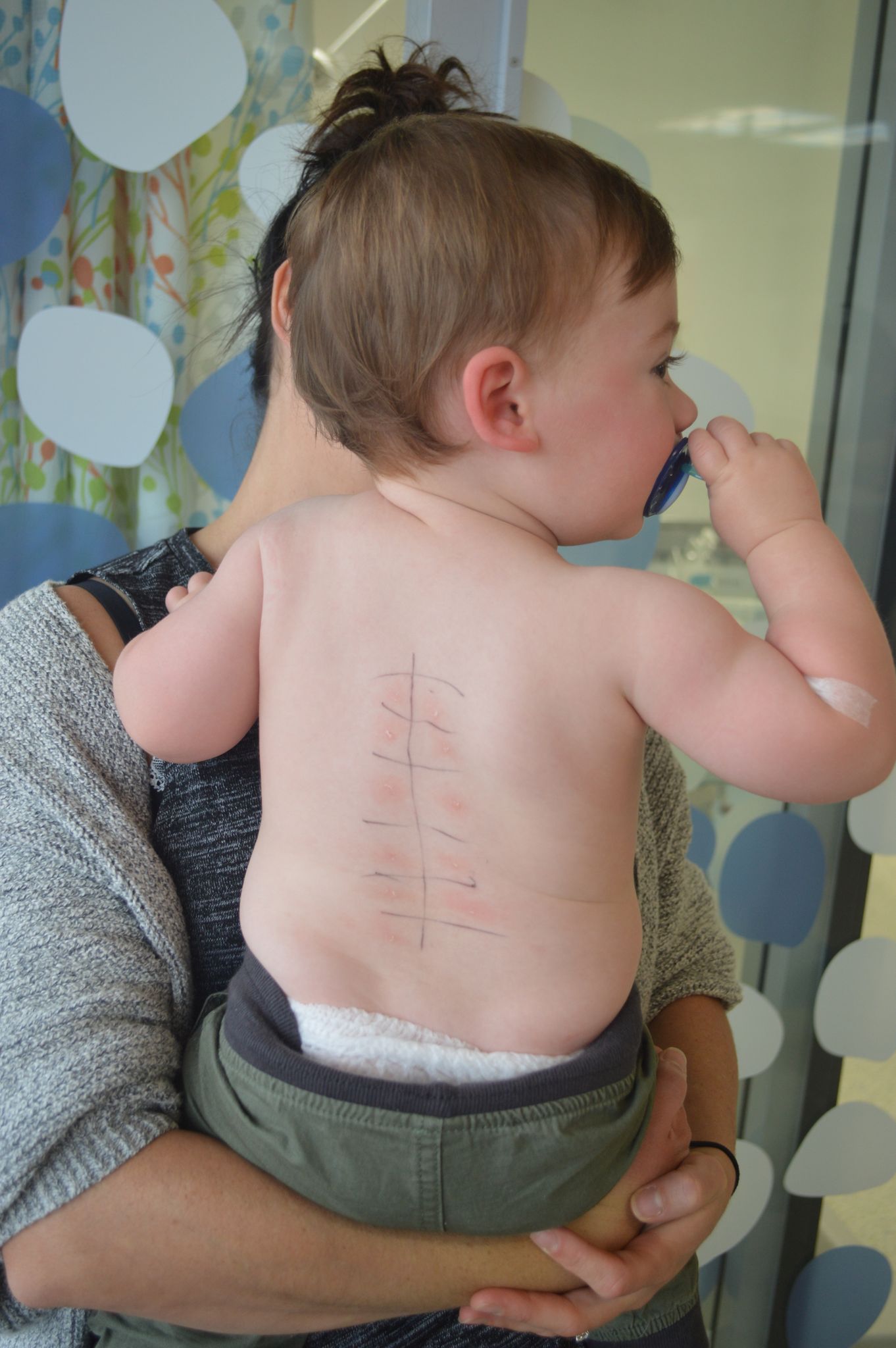
Comparing how mast cells are “programmed” in allergic and non-allergic children at one year of age.

Take a look at some of the published research to come out of the Children's Diabetes Centre recently.
Although most people born this century will be educated in African schools, these schools often lack basic infrastructure, such as electricity and/or lighting. In the face of a rapidly growing school-age population in Africa, the electrification of educational facilities is not just an infrastructural challenge but also a pivotal investment in the continent’s future workforce.
Base editing technologies enable programmable single-nucleotide changes in target DNA without double-stranded DNA breaks. Adenine base editors (ABEs) allow precise conversion of adenine to guanine. However, limited availability of optimized deaminases as well as their variable efficiencies across different target sequences can limit the ability of ABEs to achieve effective adenine editing.
Belaynew Christopher Peter Hannah Minda Huong Taye Blyth Richmond Moore Sarna Le MD, MPH, PhD MBBS (Hons) DCH FRACP FRCPA PhD MBBS MRCP(UK) FRACP OAM