
Search
Showing results for "aboriginal respiratory"
Birth cohort studies provide an invaluable resource for studies of the influence of the fetal environment on health in later life.
As Australia battles with COVID-19 outbreaks across all mainland states, there is a sense of familiar dread as major cities plunge into lockdown.
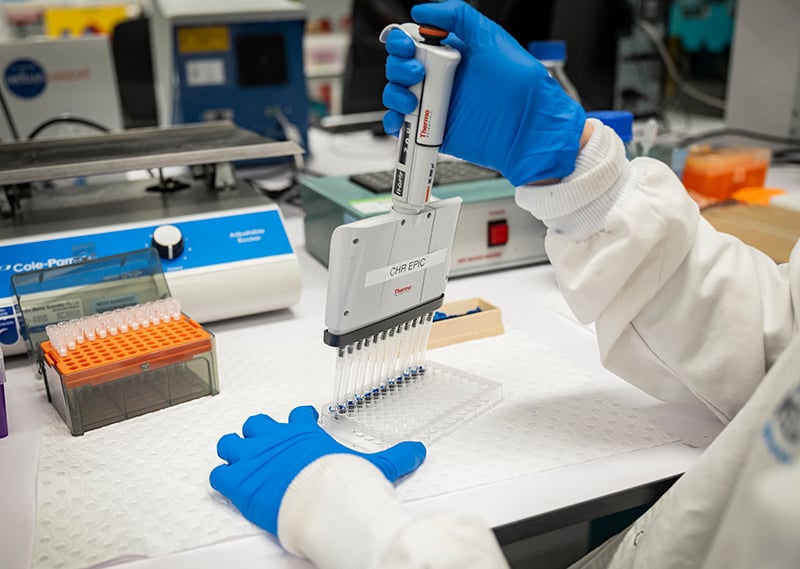
At least 2,000 WA healthcare workers will help test whether an existing tuberculosis vaccine can reduce their chance of COVID-19 infection, lessen the severity of symptoms and boost immunity.
Like many of us, consumer and community advocate Catherine Hughes is worried about the impact of COVID-19. So she joined Australia’s first COVID-19 consumer reference group to be a voice for the community.
A lung function study carried out by Dr Shannon Simpson provided the most comprehensive follow-up of very pre-term children of any study so far carried out on the lung health of this vulnerable group.
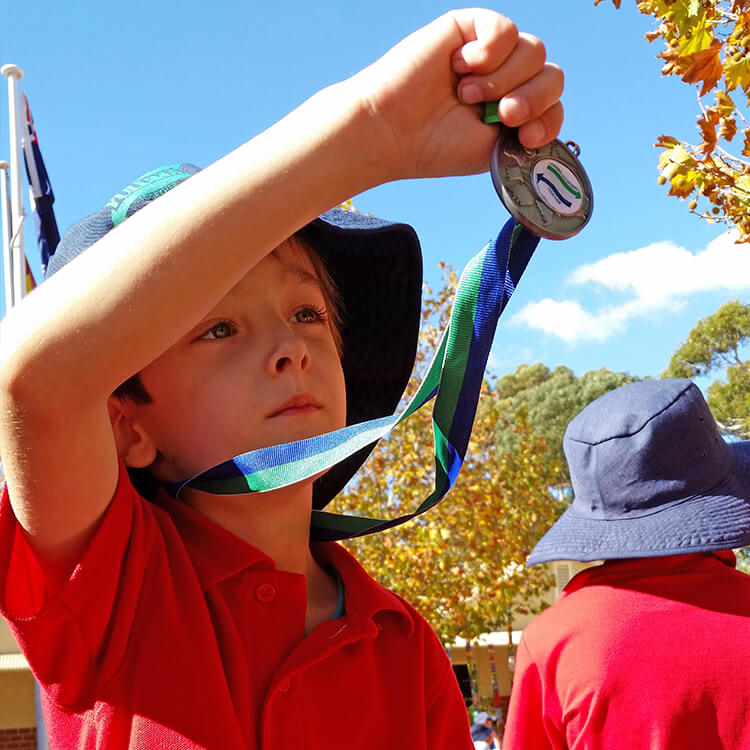
Two years on, Michelle and Dartanyon’s health and quality of life have significantly improved. We caught up with Michelle to hear about their journey since we first met them.
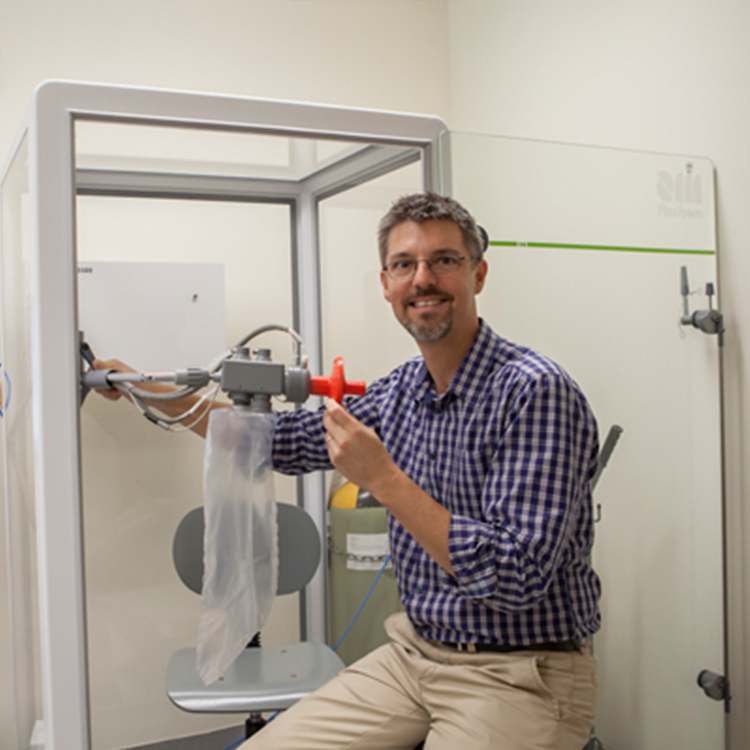
A global research network has taken another step towards standardising the way doctors interpret commonly used lung function tests.
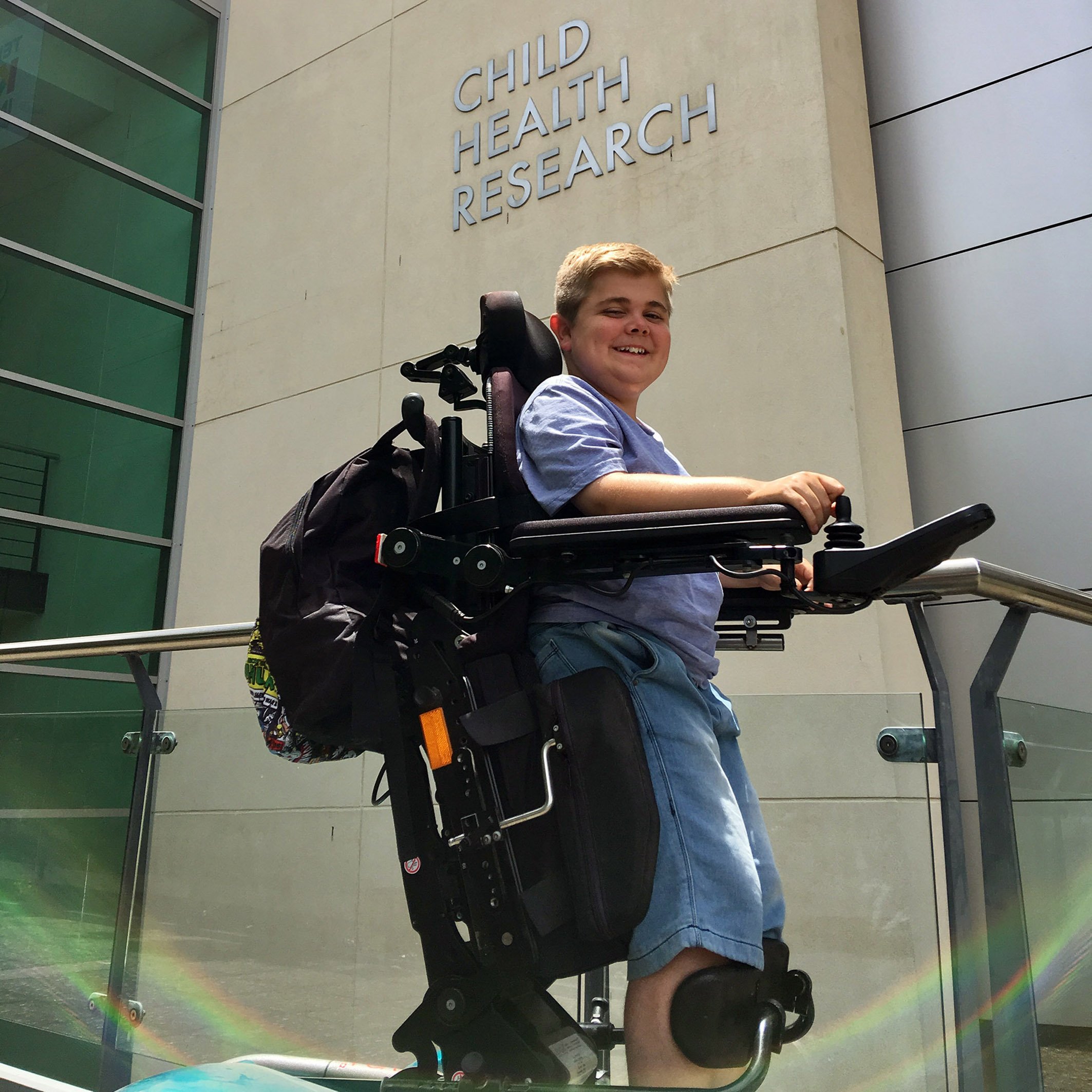
The Kids researchers are investigating the physical and psychological impacts of powered standing wheelchairs for boys suffering from Duchenne
Shelley Prue Gorman Hart BSc (Hons) PhD BSc (Hons) MSc PhD Honorary Research Associate Honorary Research Fellow shelley.gorman@thekids.org.au
Vitamin D is synthesised by ultraviolet (UV) irradiation of skin and is hypothesized to be a direct mediator.