
Search
Showing results for "early lung health"
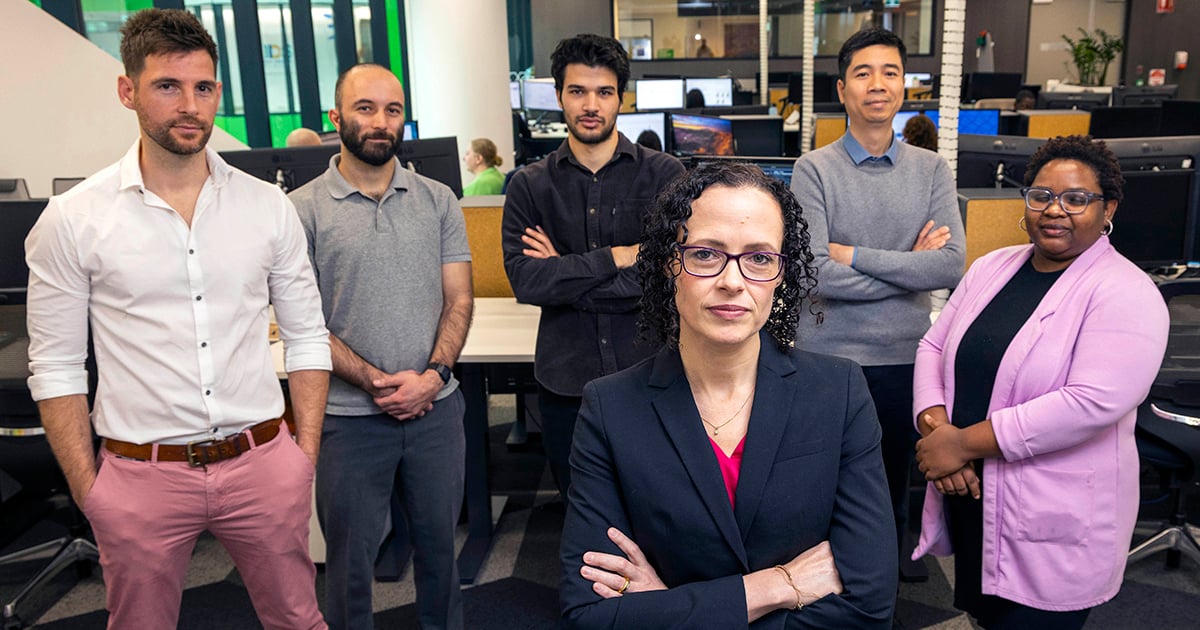
A USD $3.25 million international grant will see researchers from The Kids Research Institute Australia and The University of Western Australia play a pivotal role in accelerating the development of next-generation malaria vaccines, helping protect children from one of the world's deadliest infectious diseases.

Researchers from The Kids Research Institute Australia have contributed to a landmark study revealing climate change will have a detrimental impact on one of the greatest threats to the health of children in the Global south – diarrhoea.
Data on asymptomatic identification rates of respiratory viruses are limited, particularly in Indigenous populations, who suffer a high burden of OM.
We review GAS transmission characteristics and prevention strategies, historical and geographical trends and report on the estimated global burden disease...
Our aim is to improve the emergency transfer of very ill babies by the NETS WA team such that it better supports parents and enhances infants’ recovery and long-term outcomes.
Characterized by early-onset seizures, global developmental delay and severe motor deficits, CDKL5 deficiency disorder is caused by pathogenic variants in the cyclin-dependent kinase-like 5 gene. Previous efforts to investigate genotype-phenotype relationships have been limited due to small numbers of recurrent mutations and small cohort sizes. Using data from the International CDKL5 Disorder Database we examined genotype-phenotype relationships for 13 recurrent CDKL5 variants and the previously analyzed historic variant groupings. We have applied the CDKL5 Developmental Score (CDS) and an adapted version of the CDKL5 Clinical Severity Assessment (CCSA), to grade the severity of phenotype and developmental outcomes for 285 individuals with CDKL5 variants.
People with two or more copies of MECP2 gene, located at Xq28, share clinical features and a distinct facial phenotype called MECP2 Duplication syndrome.
Early presentation of Rett syndrome, including regression and challenges for families seeking a diagnosis
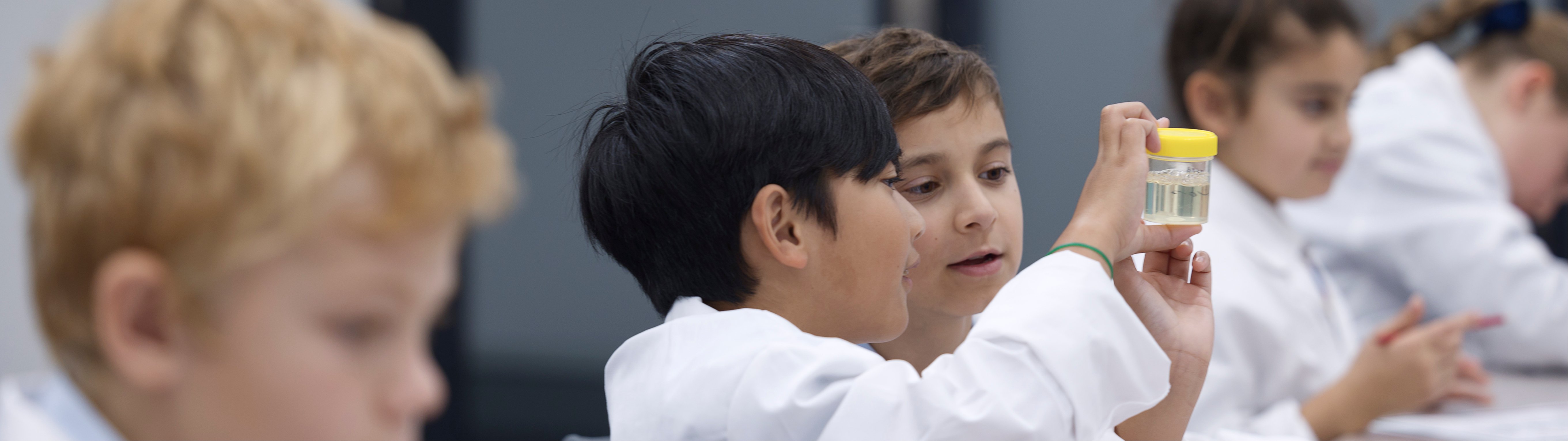
Book a school excursion with the Discovery Centre
Program Manager