
Search
Showing results for "mental health aboriginal"
Jenny Helen Kingsley Downs Leonard Wong BApplSci (physio) MSc PhD MBChB MPH MBBS, MPH, MMedStat Head, Child Disability Principal Research Fellow
This study will determine the rate of falls among older adults with ID living in community based settings, which will assist to identify the extent of this problem
Review of the available dental literature on assessment and management of the oral manifestations of Rett syndrome

The Kids Research Institute Australia researchers have urged Australia’s Food Safety Ministers to hold their nerve and resist alcohol industry efforts to water down health labels that will protect Australian babies from the lifelong effects of Fetal Alcohol Spectrum Disorder (FASD).
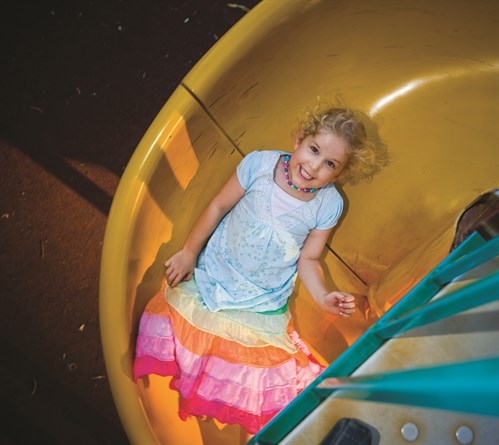
Every parent knows that physical activity and playtime are important elements of healthy growth and development. They're also a lot of fun.
Melissa Gail Matt Jenny Andrew Videos Licari Alvares Cooper Downs Whitehouse Watch and listen to Andrew PhD PhD BCA Marketing, BSc Statistics and
Read about the research fellows at the Children's Diabetes Centre, Martin de Bock, Aveni Hayes, Ashleigh Lin and Marie-Anne Burckhardt.
Citation: Jackson T, Steed L, Pedruzzi R, Beyene K, Chan AHY. Editorial: COVID-19 and Behavioral Sciences. Front Public Health. 2022;9. Keywords:
Respiratory syncytial virus (RSV) is a common cause of respiratory tract infections in infants and young children, and adults over 60 years of age. Infants born prematurely, adults aged over 75 years, individuals with medical conditions such as chronic cardiac or respiratory disease, or obesity, and Aboriginal and Torres Strait Islander people are at increased risk of severe RSV disease.

We encourage students to apply for scholarships to support their studies. Applications for non-university scholarships can be made through the Institute.