
Search
Showing results for "clinical trials"
This paper is an editorial comment by Professor Patrick Holt on the potential for developing early intervention strategies in children with allergies and asthma
Lesbian, gay, bisexual and transgender parents are often reluctant to disclose their sexual orientation to health professionals for fear of discrimination...
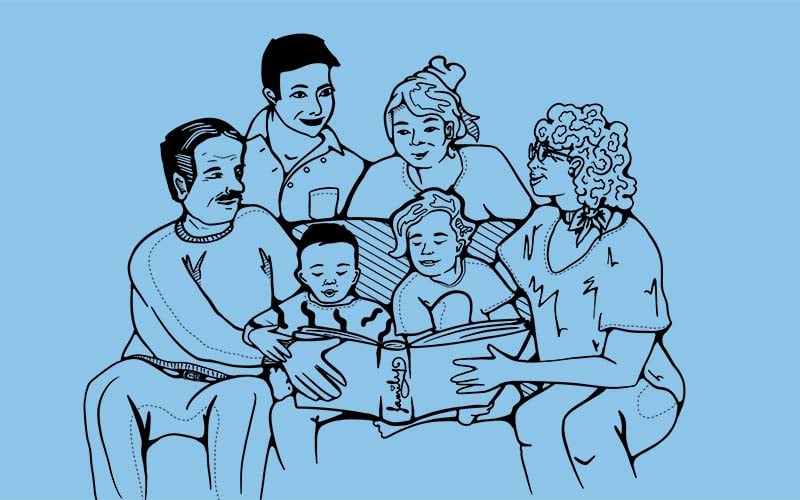
Transforming Families is providing evidence-based resources to help support the mental wellbeing of young people questioning their gender identity, or who identify as trans or gender diverse.
Join Dr Andrew Whitehouse, head of Developmental Disorders research at The Kids, as he shares with you his vision for autism research.
Despite the rates of low Apgar scores being higher in public patients, the rates of special care admission were lower.
Hypertensive diseases of pregnancy including gestational hypertension and preeclampsia continue to pose a major obstetric risk,...
The purpose of this Review was to give an overview of the recent research into whether a lack of vitamin D contributes to the development of atopy and asthma...
Birth weight and childhood adiposity are associated with subsequent cardiovascular risk. We investigated the associations between metabolic clusters in young...
This research aimed to (i) validate a new measure of mood intolerance, the Tolerance of Mood States (TOMS) scale, and (ii) to examine associations between...
The aim of this study was to explore the experiences of lesbian, gay and transgender families accessing health care for their children.