
Search
Showing results for "early lung health"
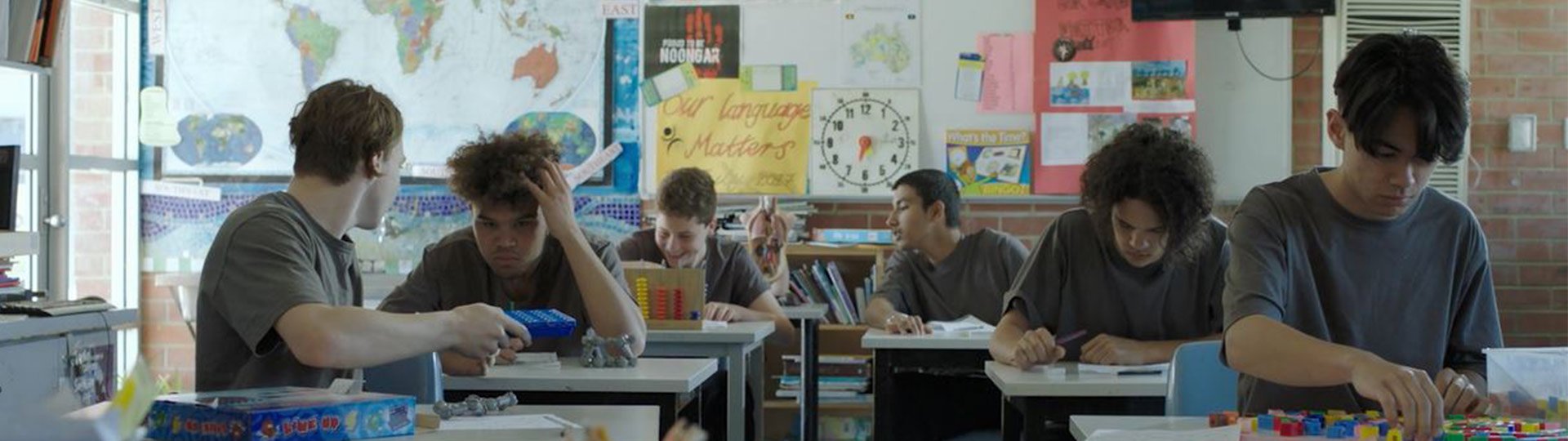
Recognise. Reframe. Respond.
Registration Testimonials Registration for IIC Perth includes: 2-day lecture program with global experts in infectious diseases Course materials

CliniKids is excited to welcome Dr Kandice Varcin to the team as part of a new partnership between The Kids Research Institute Australia and Griffith University.
We discuss how the choice of probiotic strains, timing and duration of administration can critically influence the outcome due to different effects on immune modulation and gut microbiota composition
Clinical decision support systems (CDSS) are increasingly utilised within healthcare settings to enhance decision making. However, few studies have investigated their application in the context of clinical services for autistic people, with no research to date exploring the perspectives of the key stakeholders who are, or in the future may be, impacted by their use.

IDEA is one of the few population-based resources in the world dedicated to intellectual disability. The IDEA database contains information on all children born in Western Australia since 1983 who have been identified with having an intellectual disability. Individuals with autism spectrum disorder, both with and without intellectual disability, are also included in the database. Deidentified information is accessed from the Department of Communities WA, the WA Department of Education, and the National Disability Insurance Agency (NDIA) to create the database. IDEA can be linked to other datasets to facilitate research into the determinants, outcomes and service needs of children and adults with intellectual disability. Researchers can apply for such linked data, available in a de-identified format under approval from an ethics committee.
The mission of SAVAC, the Strep A Vaccine Global Consortium, to ensure that safe, effective and affordable Strep A vaccines are available and implemented to decrease the burden of Strep A disease in the most in need.
The present study analyzed the concurrent and longitudinal relations among cognitive flexibility, theory of mind, and hyperactivity/inattention.

Dr Renee Ng, a microbiologist specialising in bacteriophage therapy – an alternative to antibiotics to fight antimicrobial resistance – will travel to the world’s premier conference on viruses, bringing new ideas, connections and expertise back to Perth.
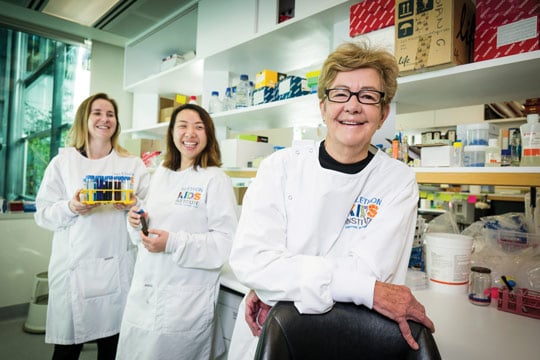
Researchers at The Kids Research Institute Australia are continuing to hone in on the effects of ultraviolet radiation and vitamin D on the immune system.