
Search
Showing results for "early childhood"
To analyze the incidence of type 1 diabetes in 0- to 14-year olds in Western Australia, from 1985 to 2002, by region and socioeconomic status.
To conduct an analysis of children with TIDM’s cognitive profile at an age in which both cognition and cortical development are still maturing
Investigating changes in retinopathy, aortic intima media thickness & heart rate variability, indicators of macrovascular disease & autonomic neuropathy
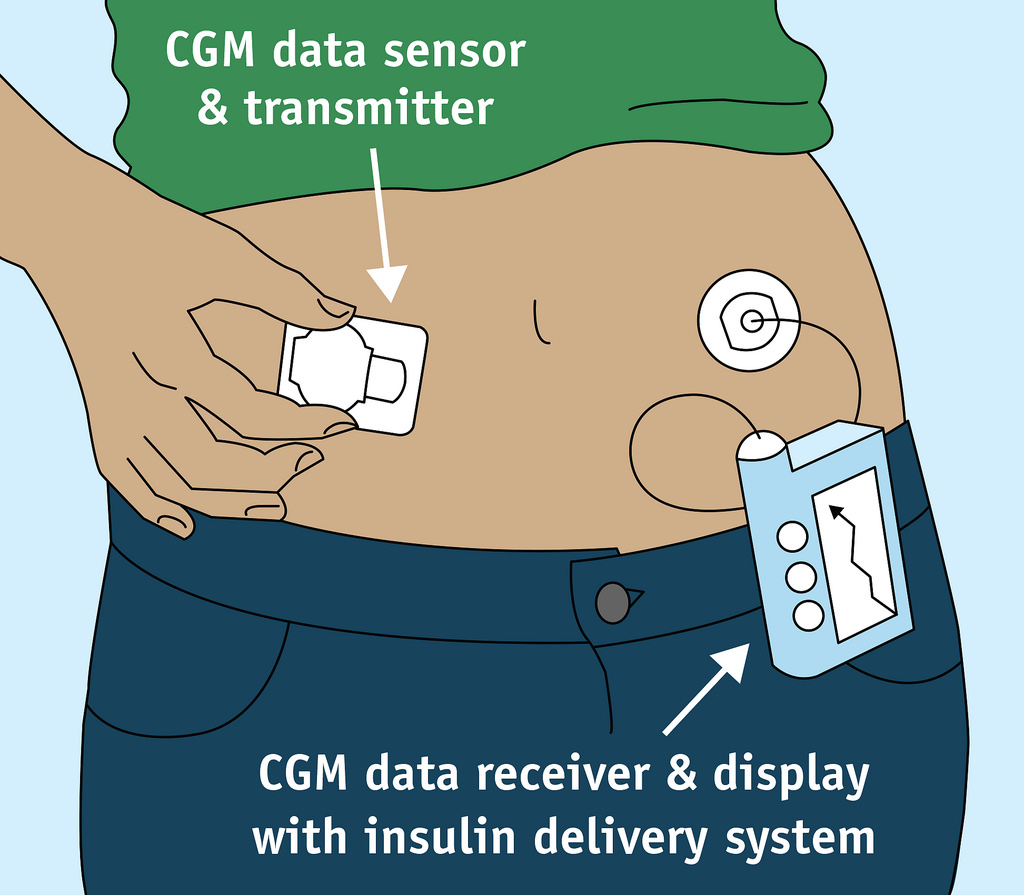
A Closed-Loop System will potentially have a major impact upon acute and chronic complications of diabetes as well as upon their quality of life.
This study will evaluate the effect of two types of aerobic exercise
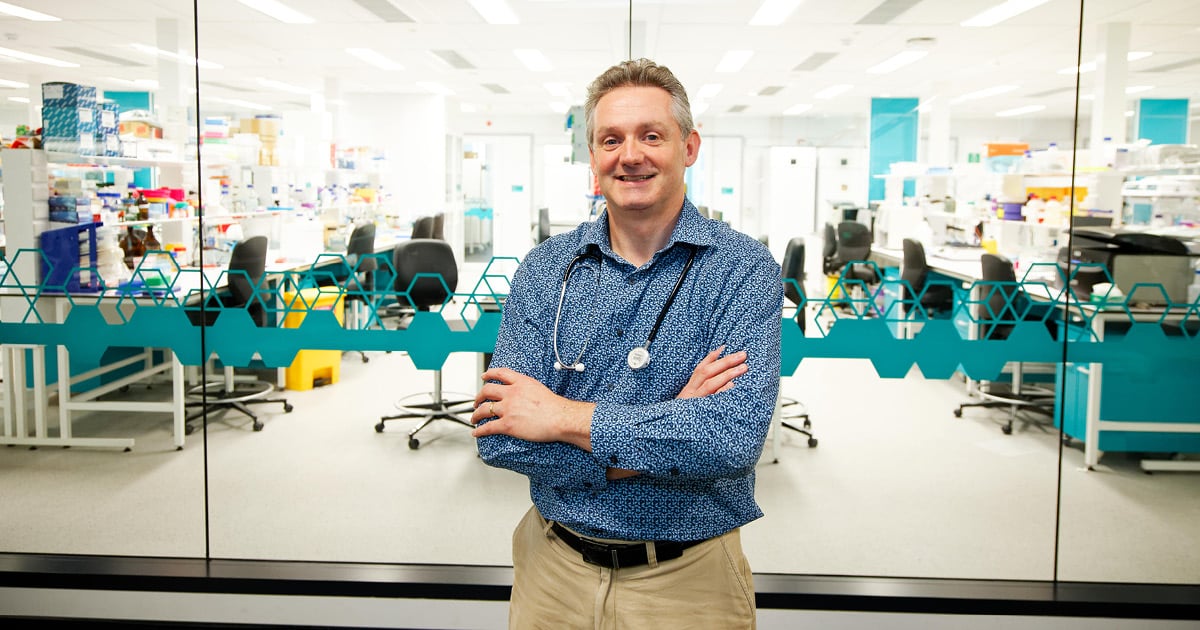
Australian children diagnosed with a brain tumour now have a better chance of accessing the best treatment for their disease thanks to a trans-Tasman collaboration spearheaded by The Kids Research Institute Australia cancer researcher Professor Nick Gottardo.

For the first time this year, all Australian babies and children aged six months to four years will be entitled to have a free influenza vaccination.
The Kids Research Institute Australia is playing a key role within a global team of experts whose work is transforming efforts to tackle a potentially deadly disease that disproportionately affects Aboriginal and Torres Strait Islander children in remote Australia.
The generation of myeloid cells from their progenitors is regulated at the level of transcription by combinatorial control of key transcription factors...
Arguably the most basic step in the analysis of next generation sequencing data (NGS) involves the extraction of mappable reads from the raw reads...