
Search
Showing results for "Childhood interstitial lung disease "
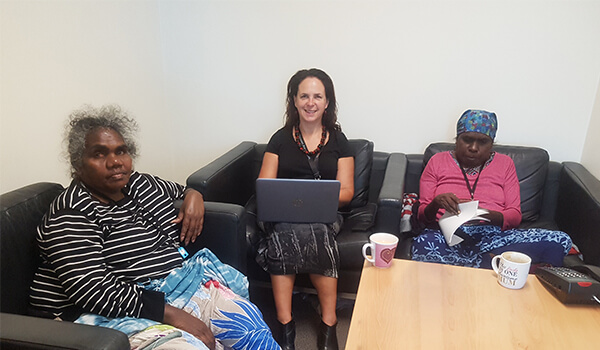
For Aboriginal Community Researchers Minitja Marawili and Yunutju Gondarra, the work of the END RHD CRE is deeply personal.

Little or large, every donation made to The Kids Research Institute Australia is precious.
Influenza remains an important cause of pediatric morbidity and mortality. Immunisation is critical to prevent hospitalisation and severe disease. The COVID-19 pandemic had far-reaching effects on influenza epidemiology and vaccine use.
Group A Streptococcus (Strep A) causes a wide spectrum of diseases, ranging from pharyngitis and impetigo to severe invasive infections and immune-mediated conditions such as acute rheumatic fever, rheumatic heart disease and acute post-streptococcal glomerulonephritis. Contemporary data on the global burden of Strep A diseases are lacking.
We aimed to assess perceived stress and influencing factors in mothers with children at risk of type 1 diabetes and coeliac disease who did, or did not, develop islet autoantibodies or coeliac autoantibodies by 4 years of age.
Malaria remains a leading cause of illness and death globally, with countries in sub-Saharan Africa bearing a disproportionate burden. Global high-resolution maps of malaria prevalence, incidence, and mortality are crucial for tracking spatially heterogeneous progress against the disease and to inform strategic malaria control efforts. We present the latest such maps, the first since 2019, which cover the years 2000–22. The maps are accompanied by administrative-level summaries and include estimated COVID-19 pandemic-related impacts on malaria burden.
Global food systems are a central issue for personal and planetary health in the Anthropocene. One aspect of major concern is the dramatic global spread of ultra-processed convenience foods in the last 75 years, which is linked with the rising human burden of disease and growing sustainability and environmental health challenges.
Bacille Calmette-Guérin (BCG) is the most commonly administered vaccine in human history. The medical application of BCG extends far beyond the fight against tuberculosis. Despite its stellar medical record over 100 years, insight into how BCG provides this vast range of benefits is largely limited, both for its pathogen-specific (tuberculosis) as well as pathogen-agnostic (other infections, autoimmunity, allergies, and cancer) effects.
Health care workers (HCWs) faced an increased risk of Coronavirus Disease 2019 (COVID-19). Australia’s COVID-19 vaccine rollout commenced in February 2021 to priority groups, including HCWs. Given their increased risk, as well as influence on patients’ vaccine uptake, it was important that HCWs had a positive COVID-19 vaccination experience, as well as trusting the vaccine safety and efficacy data.
Health care workers (HCWs) are at an increased risk of catching and spreading Coronavirus Disease 2019 (COVID-19) compared with the general community, putting health systems at risk. Several jurisdictions globally have mandated or are looking to mandate COVID-19 vaccines for this cohort, but little is known about the acceptability of this measure, especially in different contexts, and there is little qualitative data to explore nuance, depth, and the reasons behind HCWs’ opinions.