
Search
Showing results for "Childhood interstitial lung disease "

Feilman Fellow; Head, Precision Health Research and Head, Translational Intelligence
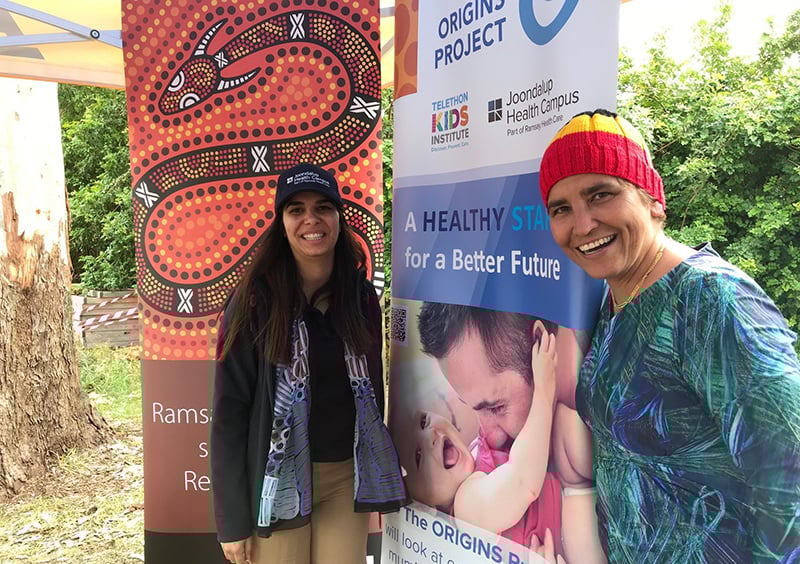
ORIGINS participated in the inaugural Wadjak Northside Social Emotional Wellbeing Expo on 24 October at the Wadjak Northside Aboriginal Community Centre.

Leading international diabetes technology expert Laurel Messer visited Perth to share her experiences with closed loop systems at the Children’s Diabetes Centre’s Community Forum on March 28.
A 28-year-old man with congenital hypogonadotropic hypogonadism (CHH) was found to be heterozygous for the GNRH1 p.R31C mutation, reported in the literature as pathogenic and dominant. The same mutation was found in his son at birth, but the testing of the infant at 64 days confirmed the hormonal changes associated with minipuberty.
To investigate developmental trajectories in early childhood and predictors of class assignment.
Real-time continuous glucose monitoring allows patients with diabetes to adjust insulin dosing, potentially improving glucose control. This study aimed to compare the long-term cost-effectiveness of the Dexcom G6 rt-CGM device versus self-monitoring of blood glucose and flash glucose monitoring in Australia in people with type 1 diabetes.
The climate crisis has detrimental impacts on the mental health and wellbeing of children and young people. Psychological effects include feelings of fear, overwhelm, worry, distress, hopelessness and anger; PTSD; depression; anxiety; phobias; panic disorder; sleep disturbances; attachment disorders; learning difficulties; substance abuse; shock and trauma symptoms; adjustment problems; behavioural problems; and, suicidal thinking.
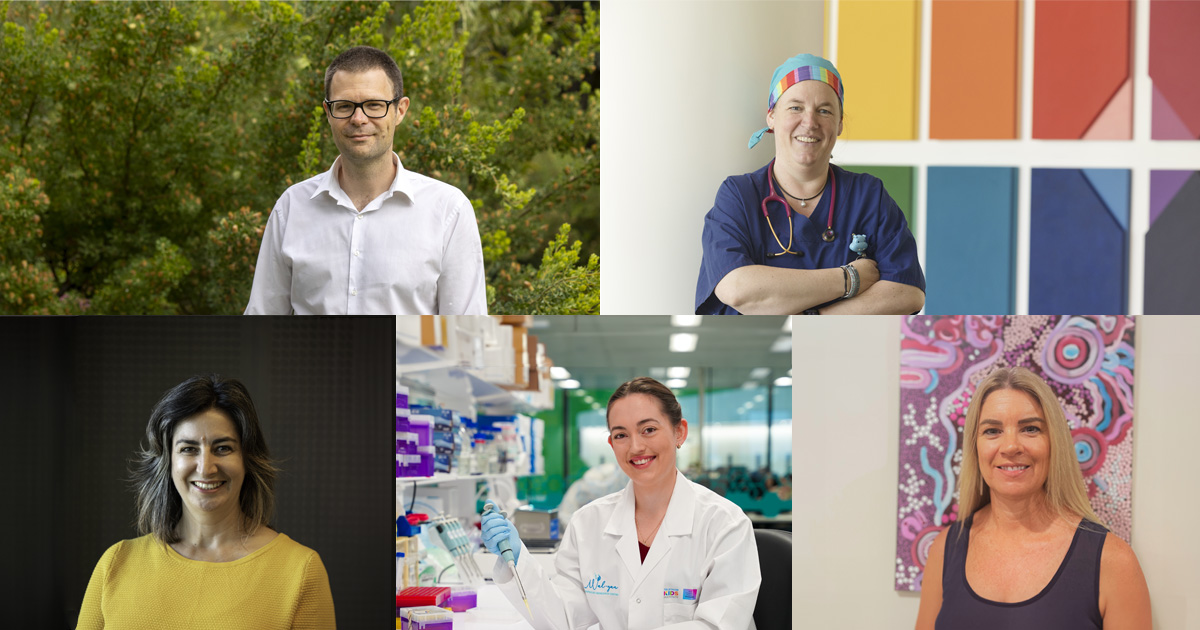
Five The Kids Research Institute Australia researchers working across diverse and highly impactful areas of child health research have been named as finalists for the 2023 Premier’s Science Awards.
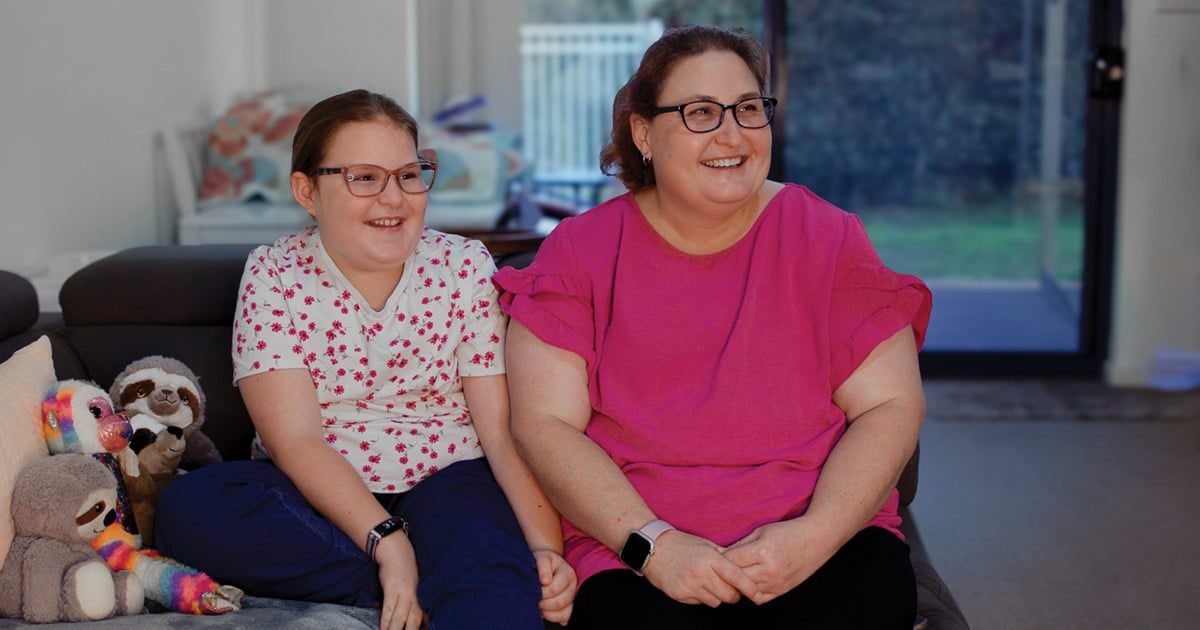
Helping children build resilience and cope with the trauma associated with medical emergencies and chronic health conditions is the focus of a promising pilot program being undertaken by The Kids Research Institute Australia.
Aim: To describe the real-world effects of trofinetide in individuals with Rett syndrome (RTT) using the 18-month follow-up analysis of the LOTUS study.