
Search
Showing results for "clinical trials"
The Role Strategic and operational management of the WA Child Development Atlas project, including planning and managing agency and stakeholder
identifying mechanisms of cancer development, generation of appropriate models of these diseases, evaluation of novel therapeutics and translation of discoveries into the clinic
Epidemioloyg infectious disease
The Opportunity This role will contribute to the Autism Research Program conducted at The Kids Research Institute Australia (Perth, Australia)
Major focus to establish functional assays for the validation of patient variant
Drive the research governance practices and frameworks of the Institute to ensure good research governance and scientific quality
This research aims to co-design the components of a practical and equitable public health approach to promoting mental health in toddlers and young children in Western Australia (WA).
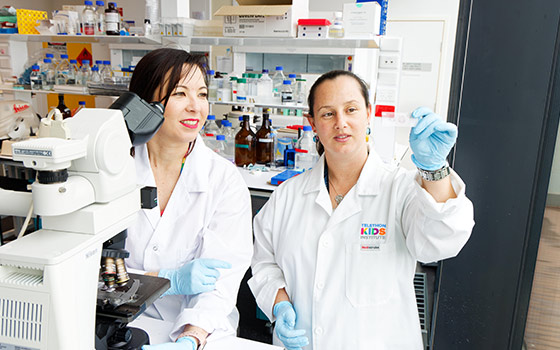
Most laboratory equipment at The Kids Research Institute Australia is owned and maintained by the Institute, in order to make this available for use by all staff and students.
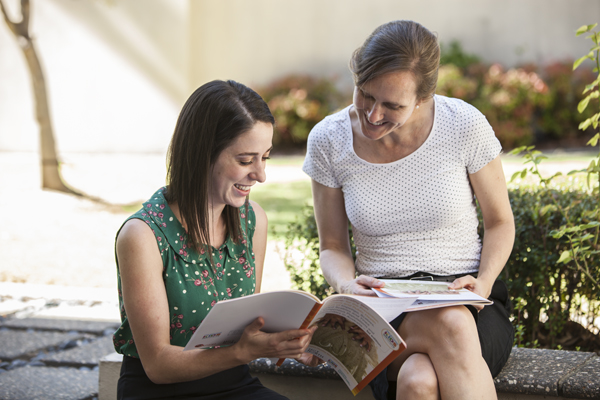
The first ever National Healthy Skin Guideline has become the gold standard for the treatment, prevention and public health control of skin infections in Indigenous populations in Australia and provides a positive framework for healthy skin.
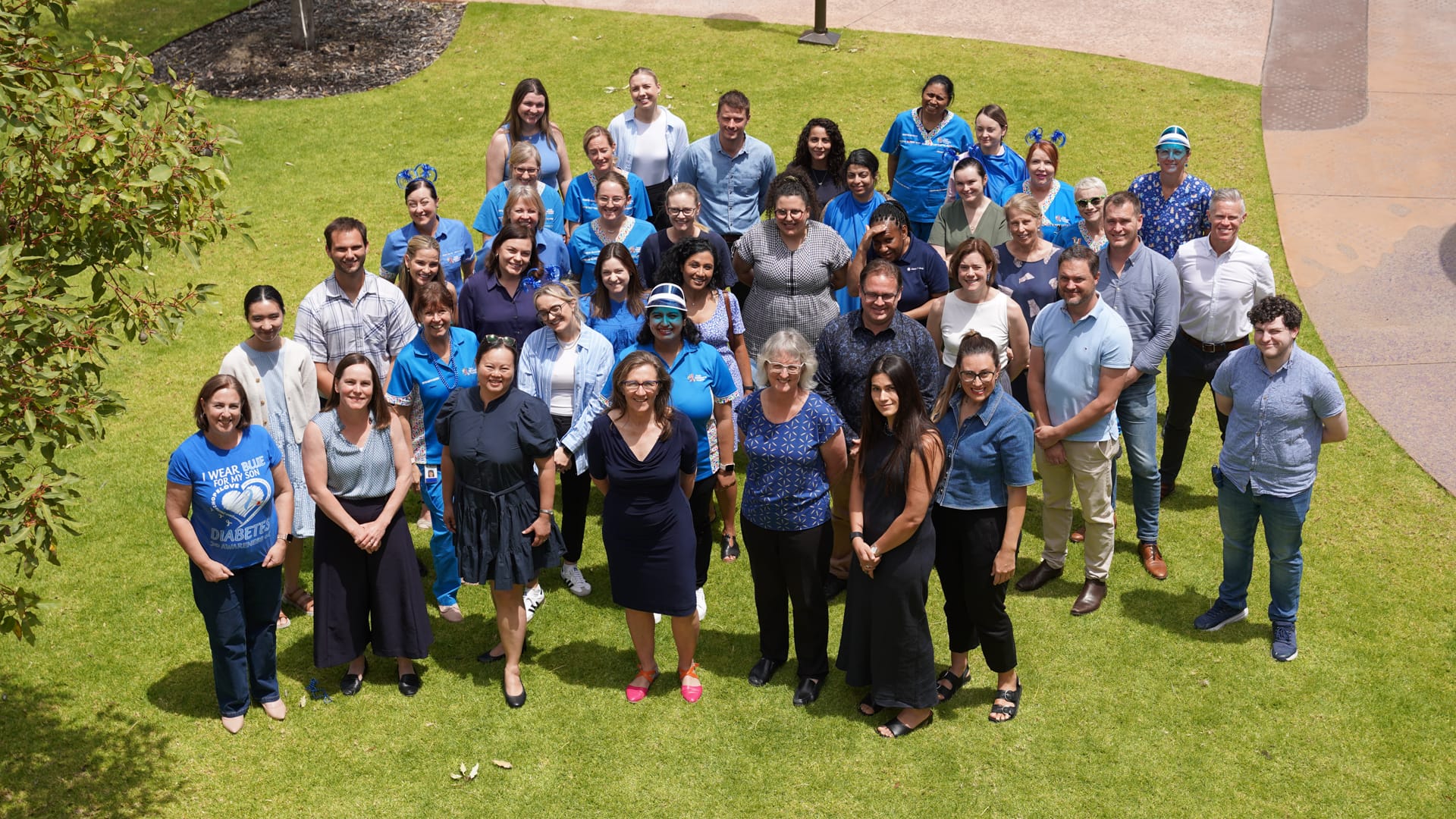
The Centre includes researchers at The Kids Research Institute Australia’s Diabetes Research Team and the Diabetes Service at the Perth Children’s Hospital.