
Search
Showing results for "aboriginal respiratory"
This is the first study to link low gestational vitamin D to increased eating disorder risk in female offspring of Caucasian mothers.
Injection of BM-differentiated DCs from nonchimeric mice restored the reduced immune responses of PGE2-chimeric mice.
In a sunny country such as Australia, it’s important to identify how to achieve the right amount of sun exposure for good health. We need to be able to harness the benefits of vitamin D and sunlight while remaining protected from the proven dangers of too much UV radiation.
Previous studies have reported that mode of delivery, particularly cesarean delivery is associated with neurodevelopmental outcomes in children. This study evaluates behavioral and neuropsychological test scores in children based on mode of delivery.
The clinical development of novel vaccines, injectable therapeutics, and oral chemoprevention drugs has the potential to deliver significant advancements in the prevention of Plasmodium falciparum malaria. These innovations could support regions in accelerating malaria control, transforming existing intervention packages by supplementing interventions with imperfect effectiveness or offering an entirely new tool.
New malaria vaccine development builds on groundbreaking recommendations and roll-out of two approved pre-erythrocytic vaccines (PEVs); RTS,S/AS01 and R21/Matrix-M. Whilst these vaccines are effective in reducing childhood malaria within yearly routine immunization programs or seasonal vaccination, there is little evidence on how different PEV efficacies, durations of protection, and spacing between doses influence the potential to avert uncomplicated and severe childhood malaria.

As Australia battles with COVID-19 outbreaks across all mainland states, there is a sense of familiar dread as major cities plunge into lockdown.
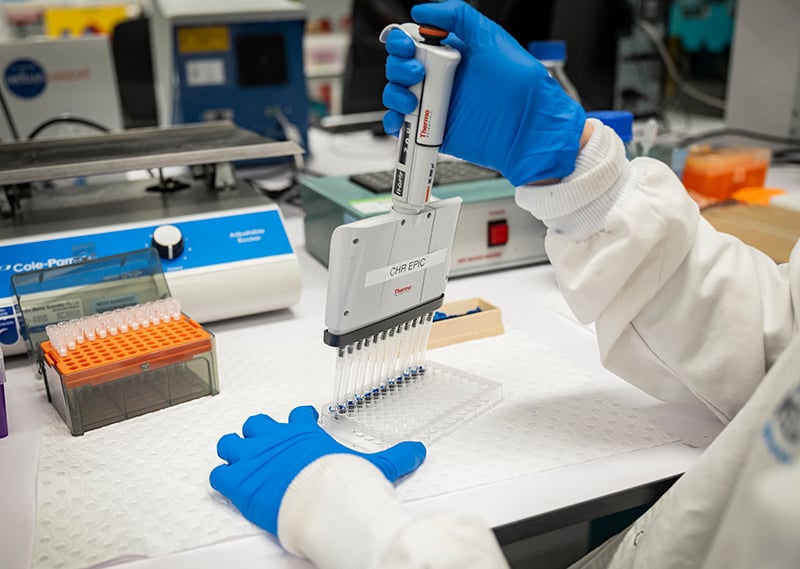
At least 2,000 WA healthcare workers will help test whether an existing tuberculosis vaccine can reduce their chance of COVID-19 infection, lessen the severity of symptoms and boost immunity.
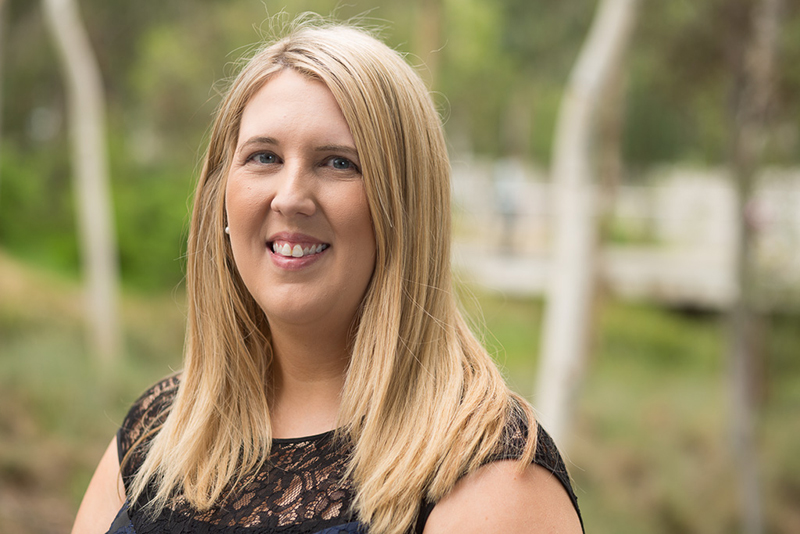
Like many of us, consumer and community advocate Catherine Hughes is worried about the impact of COVID-19. So she joined Australia’s first COVID-19 consumer reference group to be a voice for the community.

A lung function study carried out by Dr Shannon Simpson provided the most comprehensive follow-up of very pre-term children of any study so far carried out on the lung health of this vulnerable group.