
Search
Showing results for "mental health aboriginal"

Community Engagement Coordinator
Social communication difficulties in autism spectrum disorder have been associated with poor Theory of Mind (ToM), an ability to attribute mental states to others. Interventions using humanoid robots could improve ToM that may generalize to human-human interactions. Traditionally, ToM has been measured using the Firth-Happe Animations (FHA) task which depicts interactions between two animated triangles.
Pneumonia remains a leading cause of hospitalization and death among young children worldwide, and the diagnostic challenge of differentiating bacterial from non-bacterial pneumonia is the main driver of antibiotic use for treating pneumonia in children. Causal Bayesian networks (BNs) serve as powerful tools for this problem as they provide clear maps of probabilistic relationships between variables and produce results in an explainable way by incorporating both domain expert knowledge and numerical data.
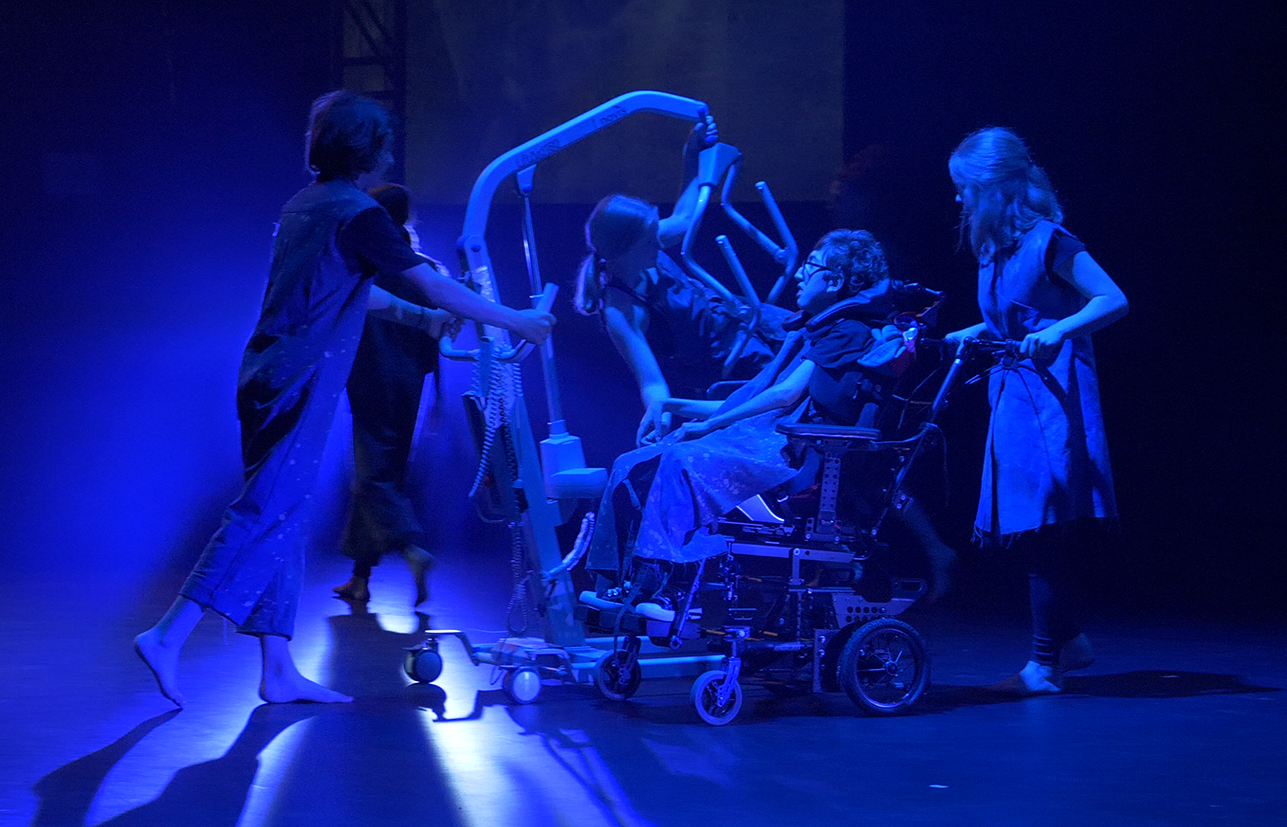
A quality of life tool developed by disability researcher Jenny Downs is helping to reveal the difference specific interventions can make to the lives of children and families living with disability.
Coronavirus-2019 (COVID-19) vaccination in Australia commenced in February 2021. The first vaccines recommended for use were AZD1222 and BNT162b2, both delivered as a two-dose primary schedule. In the absence of sustained immunity following immunisation, recommendations for booster vaccination have followed. It is likely that periodic boosting will be necessary for at least some Australians, but it is unknown what the optimal booster vaccines and schedules are or for whom vaccination should be recommended.
PICOBOO is a randomised, adaptive trial evaluating the immunogenicity, reactogenicity, and safety of COVID-19 booster strategies. We report data for second boosters among individuals 50-<70 years old primed with AZD1222 (50-<70y-AZD1222) until Day 84.
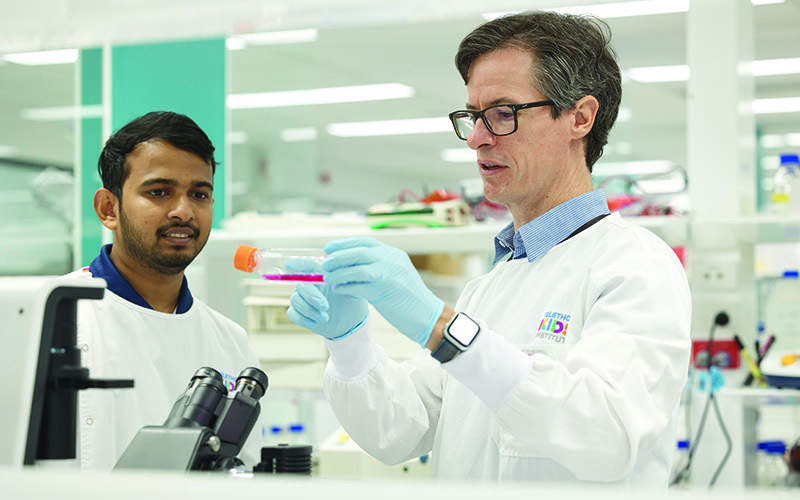
Although a staple of modern medicine, the benefits of antibiotics are waning thanks to overuse and the increasing ability of bacteria to dodge them – known as antimicrobial resistance (AMR).
Australian infants who received whole-cell pertussis vaccines were less likely to be diagnosed with food allergy in childhood
Data on risk factors for respiratory syncytial virus (RSV)-associated hospitalisation in Australian children may be informative for preventive measures.
The discoveries that have set our research apart primarily relate to the factors early in life that cause life-long respiratory problems.