
Search
Showing results for "Childhood interstitial lung disease "
Advances in medicine have improved the chances of survival following burn injuries, however, psychosocial outcomes have not seen the same improvement, and burn injuries can be distressing for both the child or young person, negatively affecting their wellbeing. Pediatric burn patients are at a higher risk of developing psychopathology compared to the general population.
Family-based lifestyle interventions (FBLIs) are an important method for treating childhood weight problems. Despite being recognized as an effective intervention method, the optimal structure of these interventions for children’s overweight and obesity has yet to be determined.
Burn injuries are traumatic experiences that can detrimentally impact an individual’s psychological and emotional wellbeing. Despite this, some survivors adapt to psychosocial challenges better than others despite similar characteristics relating to the burn.
To review and synthesise qualitative literature regarding the psychological outcomes following paediatric burn injuries, and to determine if children and adolescents who experience a burn injury have elevated risk of psychopathology following the injury.
The prognosis for high-risk childhood acute leukaemias remains dismal and established treatment protocols often cause long-term side effects in survivors. This study aims to identify more effective and safer therapeutics for these patients.
Undescended testes is associated with an increased risk of testicular cancer and male infertility, and decreased paternity
We provide new evidence to support current guidelines for orchidopexy before age 18 months to decrease the risk of future testicular cancer and infertility
Adolescent and young adult survivors of childhood brain tumors and cranial irradiation should be screened for metabolic and psychological well-being
Clinicians who counsel prospective ART patients about birth defect risk should provide information about the overall risk of having a child with a birth defect
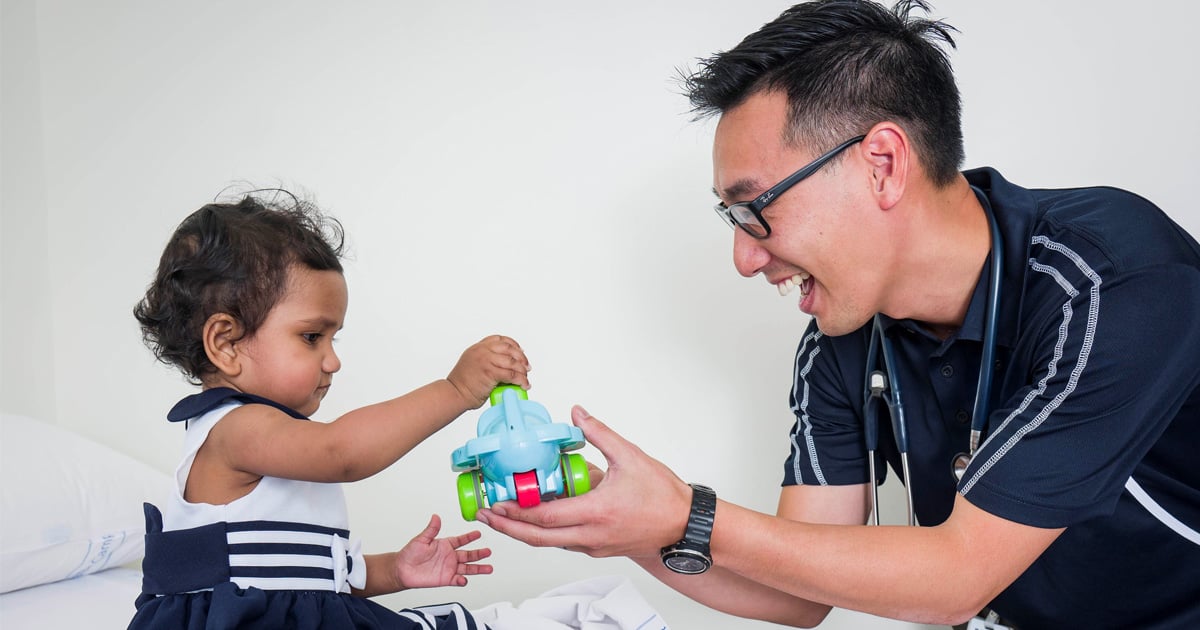
A third of Western Australian one-year-olds and up to two thirds of three-year-olds have low iron, a study by The Kids Research Institute Australia has found.