
Search
Showing results for "lung disease preterm"
This publication is a systematic analysis of all Group A Streptococcus M protein variants, to assist in the development of a vaccine.
This paper is a report on progress towards a joint Australian and New Zealand vaccination program for Group A Streptococcus bacteria, which causes serious...
This study aims to identify clinical predictors of influenza infection in children ≤5 years old from which age-specific ILI definitions are then constructed.
In experimental models, both vitamin D3-dependent and vitamin D3-independent pathways have been implicated in the mechanisms of UVR-induced systemic...
The median number of presentations per child in the first year of life was 21 with multiple reasons for presentation.
Providing remote communities with access to chlorinated swimming pools has been considered as a possible strategy for reducing ear and skin infection rates...
Streptococcus pneumoniae (Pnc), nontypeable Haemophilus influenzae (NTHi) and Moraxella catarrhalis (Mcat) are the most important bacterial pathogens...
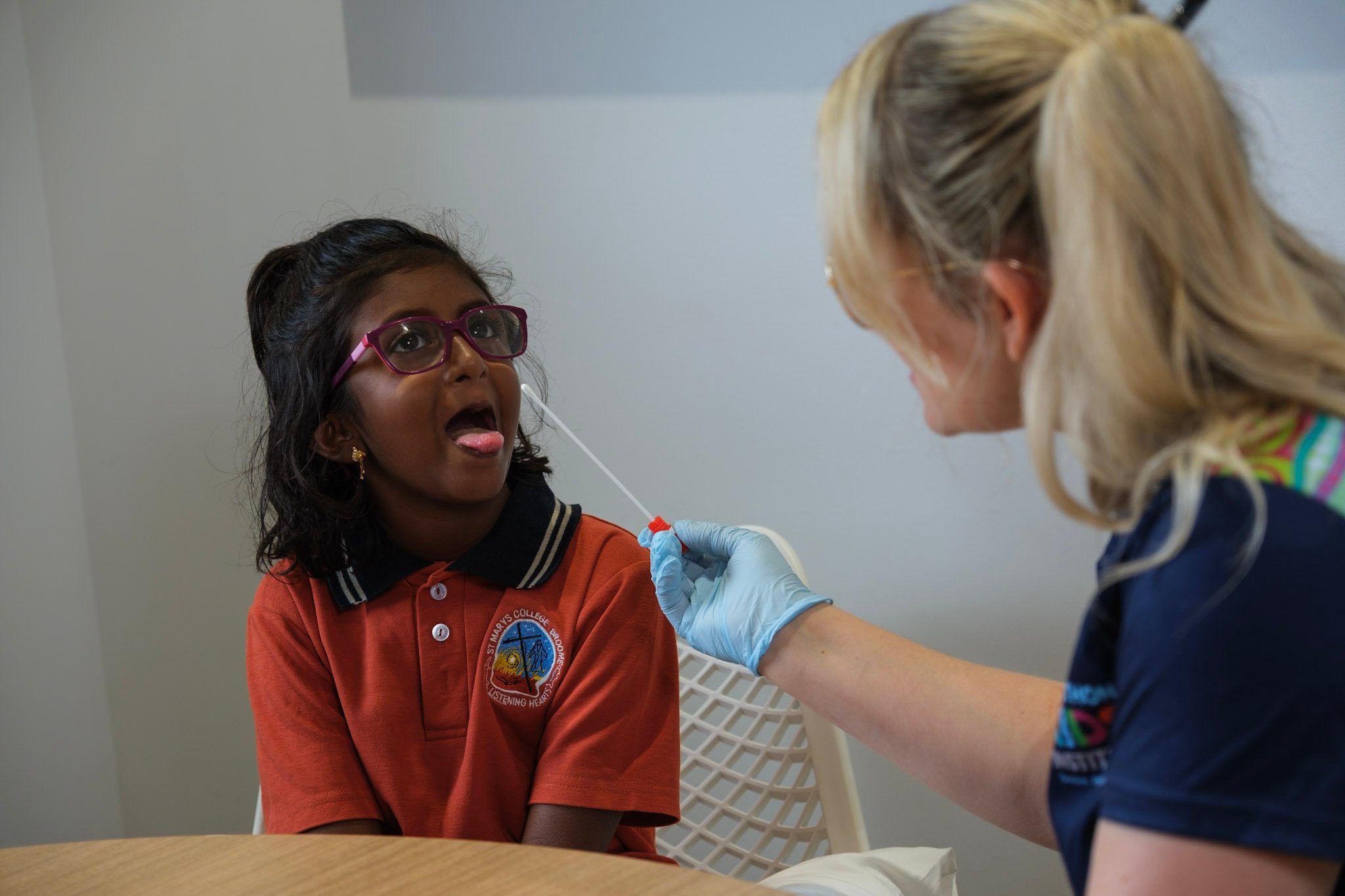
An alarming number of Strep A infections are going unnoticed throughout classrooms in Broome and Derby according to a major study by The Kids Research Institute Australia aiming to reduce the burden of acute rheumatic fever (ARF) and rheumatic heart disease (RHD).

A group of 19 Aboriginal women from South Australia, along with researchers from The Kids Research Institute Australia, have developed a culturally responsive, evidence-based model of care to support Aboriginal women with cardiometabolic complications in pregnancy in SA.
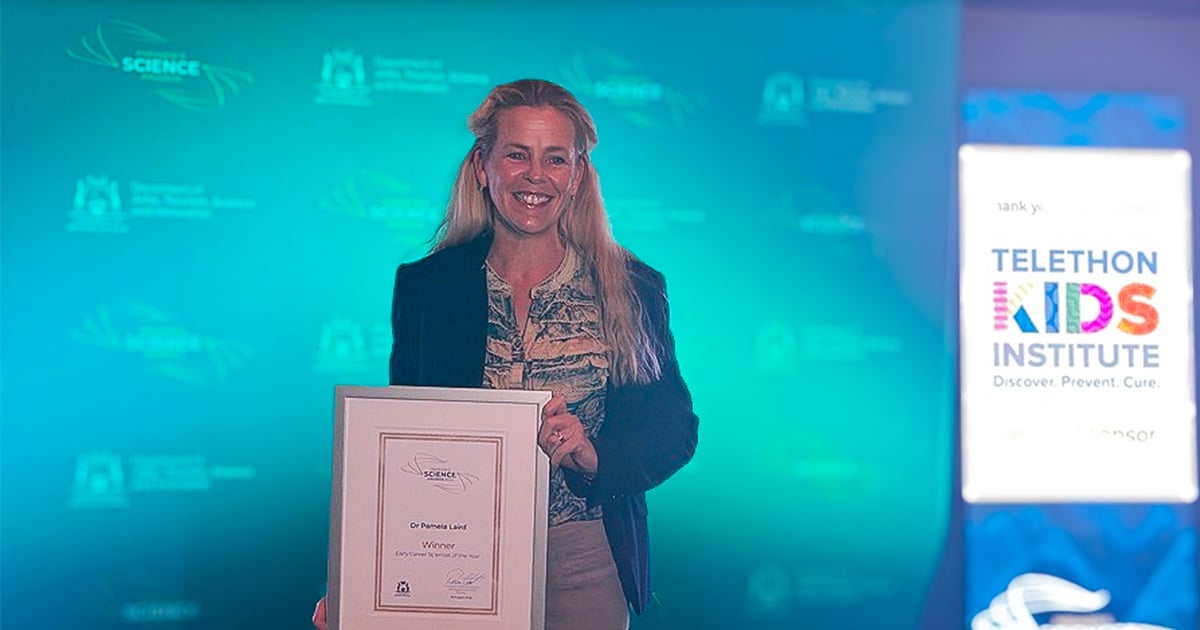
Congratulations to respiratory health researcher and clinician Dr Pam Laird, who was last night named joint winner of Early Career Scientist of the Year at the 2024 Premier’s Science Awards.