
Search
Showing results for "mental health aboriginal"
Social communication difficulties in autism spectrum disorder have been associated with poor Theory of Mind (ToM), an ability to attribute mental states to others. Interventions using humanoid robots could improve ToM that may generalize to human-human interactions. Traditionally, ToM has been measured using the Firth-Happe Animations (FHA) task which depicts interactions between two animated triangles.
In this paper, we describe the developmental process of a culturally grounded Moombaki virtual reality (VR) game. We share how Aboriginal children’s drawings have informed the creation of an interactive learning platform for primary school-aged children attending schools in Wadjuk Boodja. The project focused on connecting students to cultural knowledge through immersive storytelling, creative exploration, and collaborative design by using small group yarning circles and game development activities.

Community Engagement Coordinator
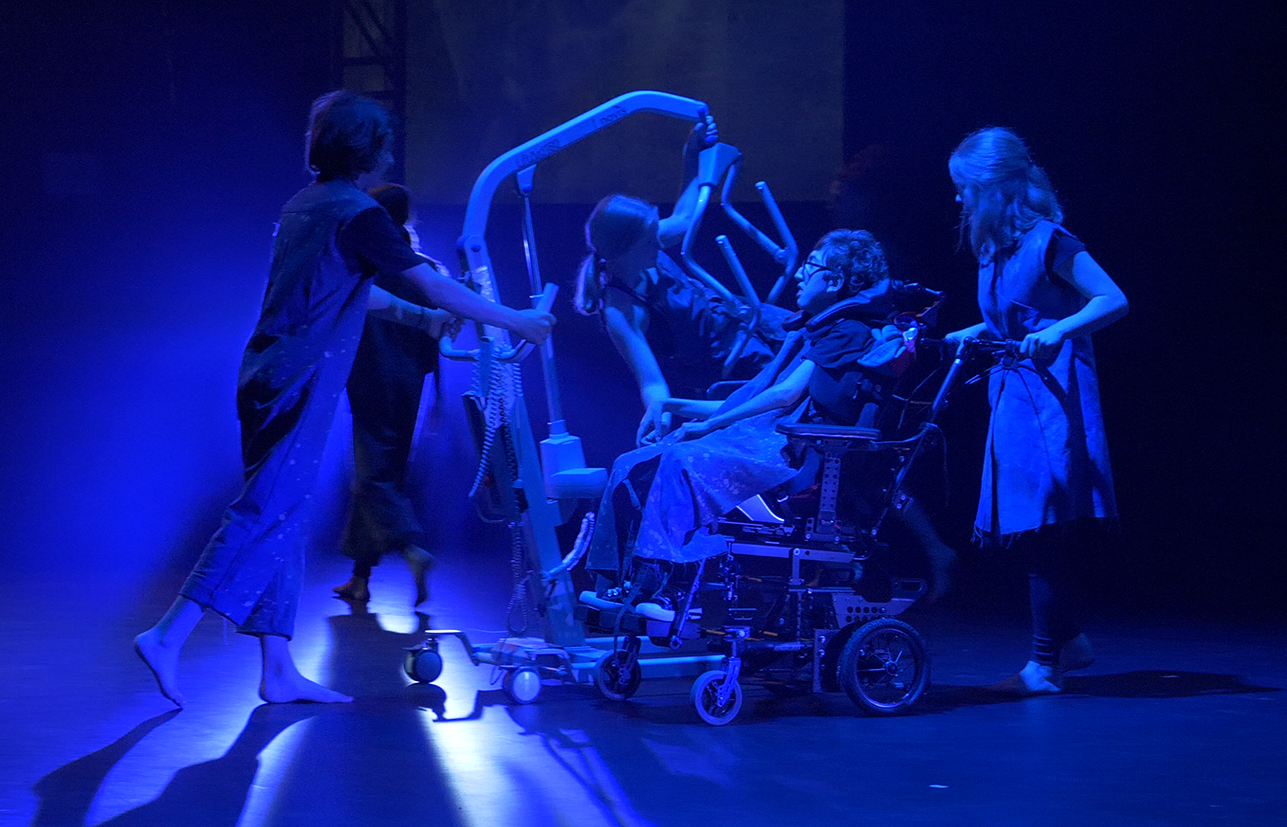
A quality of life tool developed by disability researcher Jenny Downs is helping to reveal the difference specific interventions can make to the lives of children and families living with disability.
Coronavirus-2019 (COVID-19) vaccination in Australia commenced in February 2021. The first vaccines recommended for use were AZD1222 and BNT162b2, both delivered as a two-dose primary schedule. In the absence of sustained immunity following immunisation, recommendations for booster vaccination have followed. It is likely that periodic boosting will be necessary for at least some Australians, but it is unknown what the optimal booster vaccines and schedules are or for whom vaccination should be recommended.
PICOBOO is a randomised, adaptive trial evaluating the immunogenicity, reactogenicity, and safety of COVID-19 booster strategies. We report data for second boosters among individuals 50-<70 years old primed with AZD1222 (50-<70y-AZD1222) until Day 84.
A lifelong auto-immune condition that can affect anyone, but is most commonly diagnosed in childhood.
Aim: To compare growth in individuals with cyclin-dependent kinase-like 5 (CDKL5) deficiency disorder with population norms and to investigate the effect of gastrostomy on growth.
Information on the hospital service use among individuals with CDKL5 Deficiency Disorder, an ultrarare developmental epileptic encephalopathy, is limited, evidence of which could assist with service planning. Therefore, using baseline and longitudinal data on 379 genetically verified individuals in the International CDKL5 Disorder Database, we aimed to investigate rates of seizure-related and other hospitalizations and associated length of stay in this cohort.
Delays within the motor domain are often overlooked as an early surveillance marker for autism. The present study evaluated motor difficulties and its potential as an early predictive marker for later autism likelihood in a cohort of infants showing early behavioral signs of autism aged 9-14 months. The motor domain was evaluated using the motor subscales of the Mullen Scales of Early Learning at baseline, and at a 6-month follow-up.