
Search
Showing results for "preterm birth lungs"
In this article, the Group Chairs of the Paediatric Assembly of the European Respiratory Society (ERS) highlight some of the most interesting abstracts presented at the 2016 ERS International Congress, which was held in London.
Highlight of some of the most interesting abstracts presented at the 2016 ERS International Congress, which was held in London
This letter addresses the recommendations by the American Thoracic Society & European Respiratory Society in 2005, that patients must wait 15-60mins between...
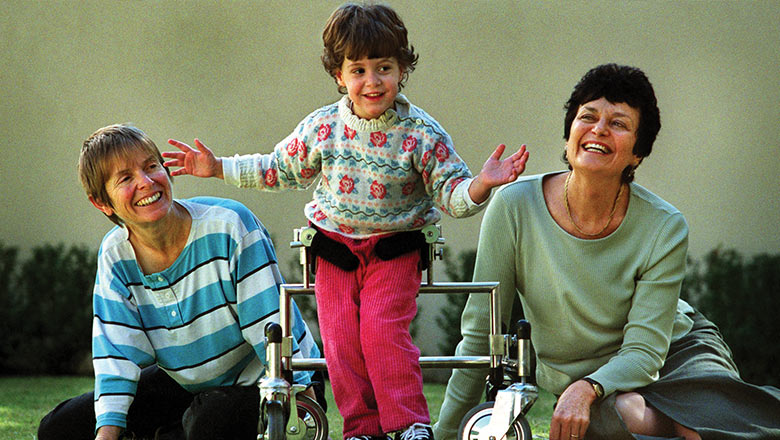
Cerebral palsy is not only the result of birth trauma and the lack of oxygen supply during delivery.
We aimed to describe birth prevalence of rare craniofacial anomalies and associations with antenatal and perinatal factors. All live and stillbirths in Western Australia between 1980 and 2010 were identified from the Western Australian Birth Registrations and the Midwives Notification System (also provides information on antenatal and perinatal factors).

Senior Project Coordinator
The aim of this study is to examine whether anaemia of pregnancy is associated with adverse perinatal outcomes and with children's developmental vulnerability.
Overall rates of preterm birth have remained fairly static over the last two decades, inequalities between Aboriginal & non-Aboriginal infants have increased
Compromised neonatal intensive care unit neonates are at risk of acquiring late-onset infections (late-onset sepsis [LOS]). Neonates born with congenital anomalies could have an additional LOS risk.
Unsedated infant lung function measures of tidal breathing, MBW, and eNO are feasible in a semi-rural African setting