
Search
Showing results for "clinical trials"
This chapter describes the epidemiology, pathogenesis, clinical manifestations, diagnostic criteria, and management principles of acute rheumatic fever.
Bacterial colonisation of the airways is associated with increased risk of childhood asthma
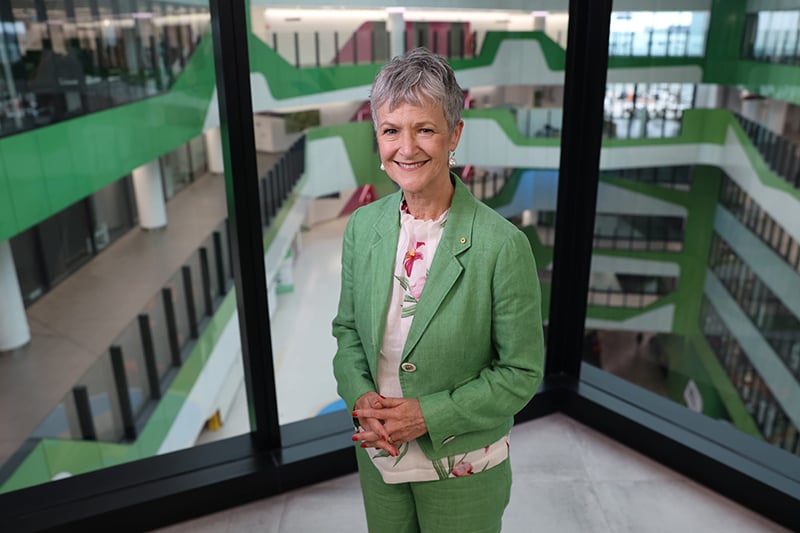
Professor Caroline Homer AO - a globally recognised leader in maternal and child health, with an international career that spans clinical care, academic research, policy influence and senior leadership - has been named The Kids Research Institute Australia’s third Executive Director.
Keely Leanne Amy Bebbington Fried Finlay-Jones MClinPsych/PhD BSc DipEd MSpEd EdD BPsych(Hons), MPsych(Clinical), MHealthEcon, PhD (Clin Psych)
Irritability is a transdiagnostic indicator of child and adolescent internalizing and externalizing problems that is measurable from early life. The objective of this systematic review was to determine the strength of the association between irritability measured from 0 to 5 years and later internalizing and externalizing problems, to identify mediators and moderators of these relationships, and to explore whether the strength of the association varied according to irritability operationalization.
Rainbow Knowledge: Broome & Kununurra is a First Nations led research project that aims to explore the perspectives, social emotional wellbeing (SEWB) and mental health experiences of Aboriginal & Torres Strait Islander Lesbian, Gay, Bisexual, Transgender, Queer or Questioning, Asexual (LGBTQA+) or other sexually
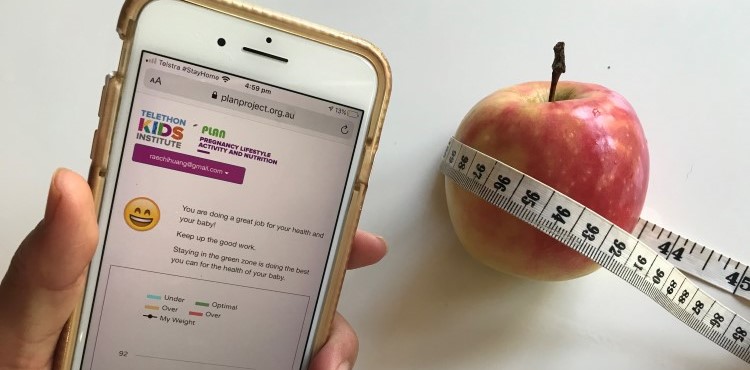
A diet and lifestyle mobile app targeting a critical window in early pregnancy is being introduced to women in the northern suburbs of Perth, hoping to assist with breaking the ‘transmission’ of obesity from one generation to the next.

Dr Keely Bebbington
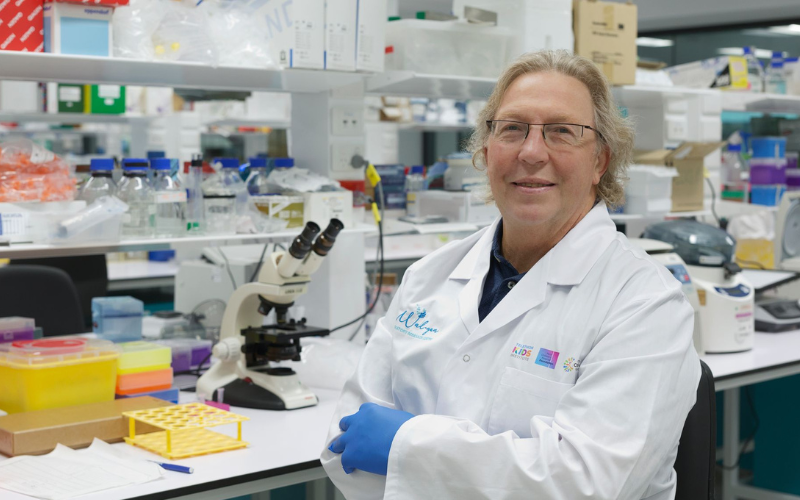
A project to be undertaken by a team of researchers at the Wal-yan Respiratory Research Centre, led by chief investigator Professor Stephen Stick, aims to develop interventions that could provide protection in the event of a new pandemic, and against common viruses already infecting children in WA.
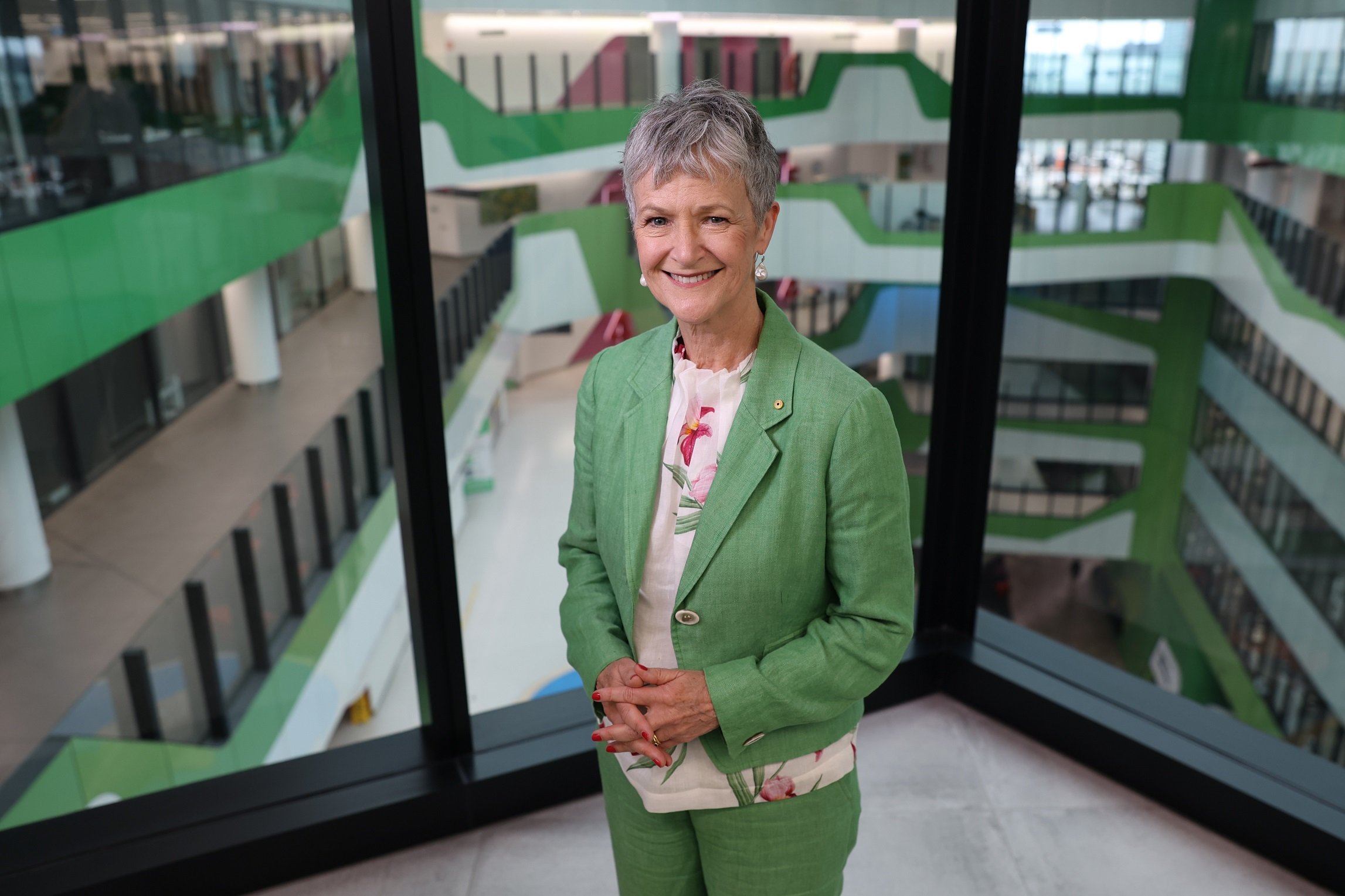
Professor Caroline Homer AO - a globally recognised leader in maternal and child health, with an international career that spans clinical care, academic research, policy influence and senior leadership - has been named The Kids Research Institute Australia’s third Executive Director.