
Search
Showing results for "lung disease preterm"
This study will be a multi-centred, prospective, cohort surveillance study looking at superficial Strep A infections in pre-school and school-aged children in urban Perth and Melbourne.
Stopping Acute Rheumatic Fever Infections to Strengthen Health
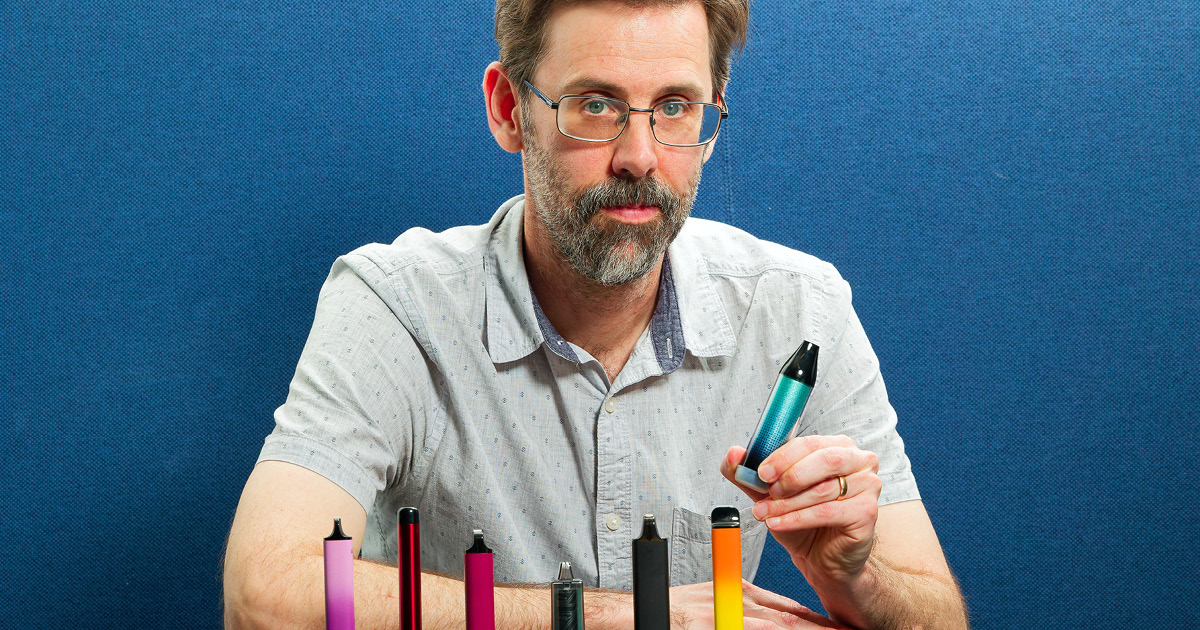
Formative research undertaken by The Kids Research Institute Australia has helped inform tough new laws introduced by the Federal Government to reduce the harm caused by vapes.
Exposure to surgery and anesthesia in early childhood has been found to be associated with an increased risk of behavioral deficits. While the US Food and Drug Administration (FDA) has warned against prenatal exposure to anesthetic drugs, little clinical evidence exists to support this recommendation.

Valuable support from the Raine Medical Research Foundation’s 2025 grant round will power four new research projects at The Kids Research Institute Australia.
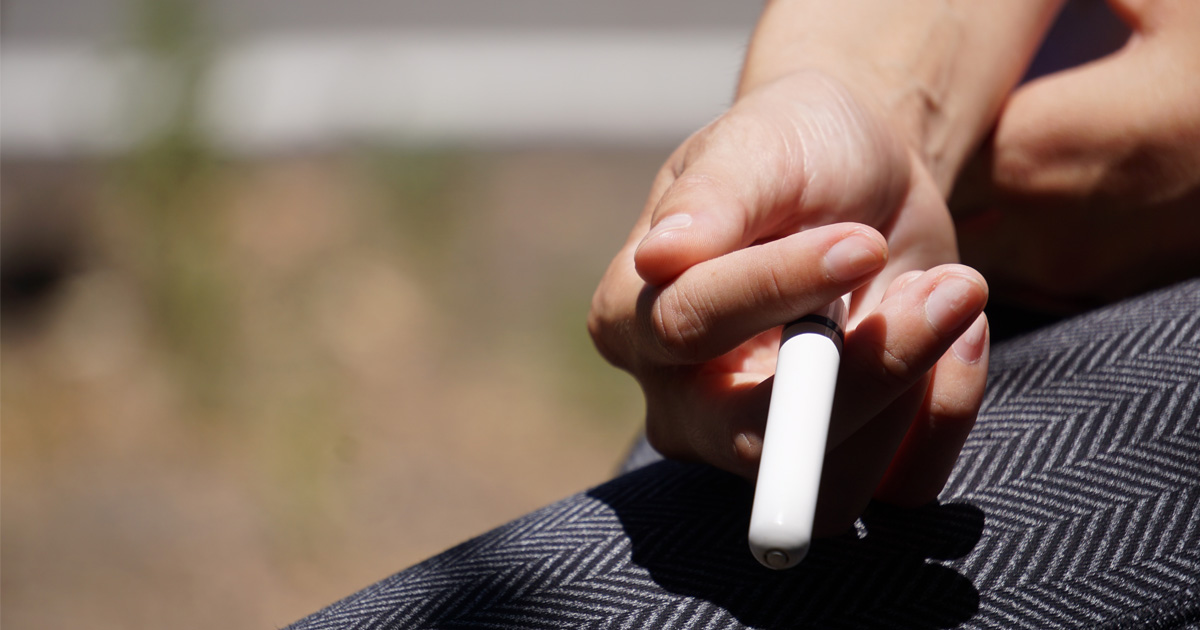
The Kids Research Institute Australia strongly supports the Federal Government’s announcement today to introduce a suite of reforms aimed at banning non-prescription vaping products in Australia.
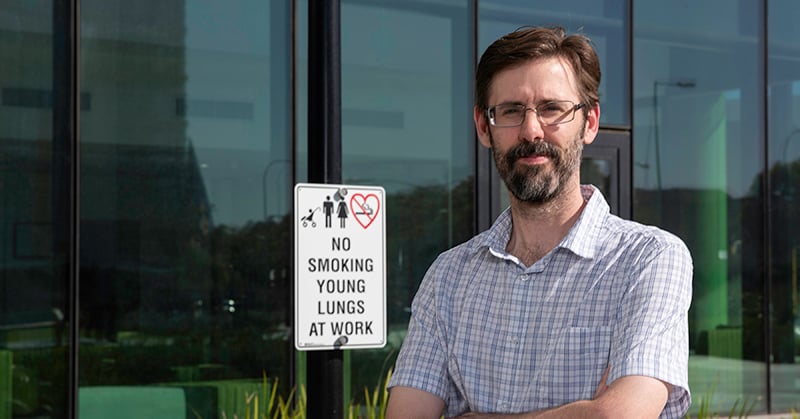
Women who are pregnant or who think they could be have been urged to avoid using e-cigarettes, due to lack of evidence about their safety.
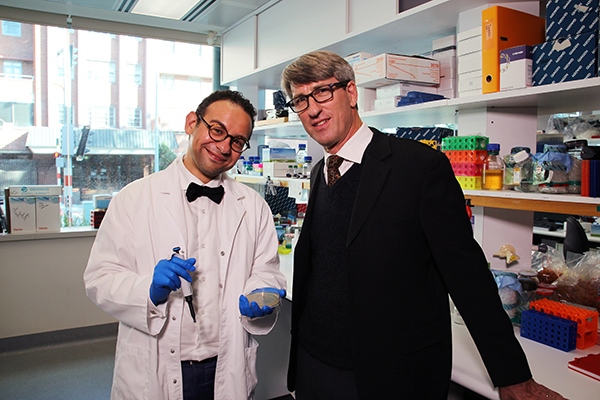
The Kids Research Institute Australia and WA pharmaceuticals company Boulos and Cooper have signed a $685,000 agreement to develop what could be the first new class of antibiotics in decades.
Contact us If you'd like to get in touch, please contact us by phone or email. Phone: 0400 450 240 Email: vtg@thekids.org.au Clostridium difficile
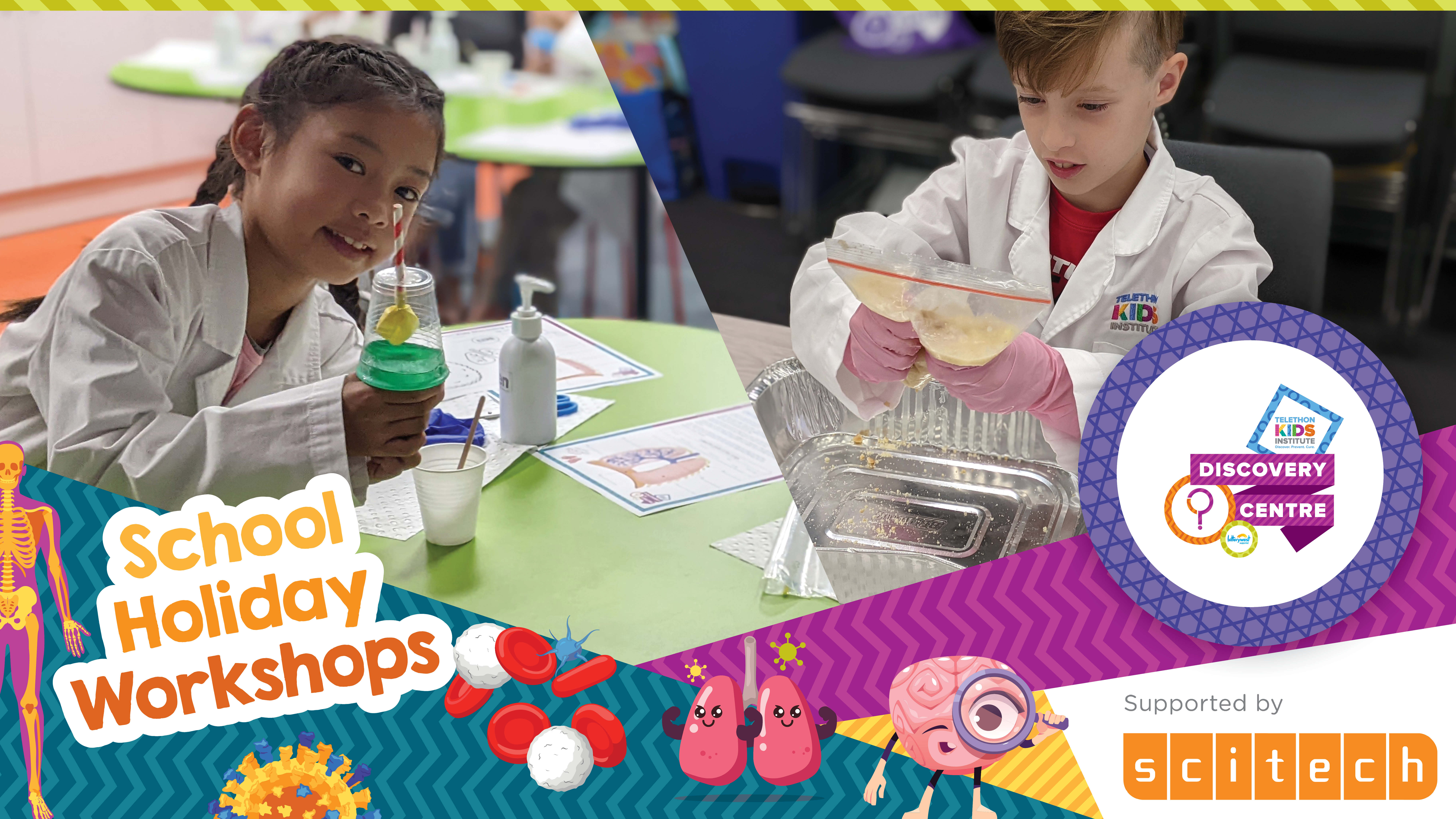
Everything you need to know to book tickets to our upcoming school holiday workshops held at Scitech!